Coffee prices in Russia have eased about 2% since the start of the year, and that matters because it points to the first real crack in a cost surge that had squeezed households, retailers and beverage makers across the market.
Russia Coffee Prices Ease as Arabica Falls
Natural instant coffee fell to 4,148 rubles per kilogram by August from 4,233 rubles in January, while beans and ground coffee slipped to 2,051 rubles from 2,099 rubles, according to AKRA analyst Anton Trenin. The move is modest, but it marks stabilization after the sharp run-up seen in 2025 and suggests the pressure on end consumers is beginning to ease.
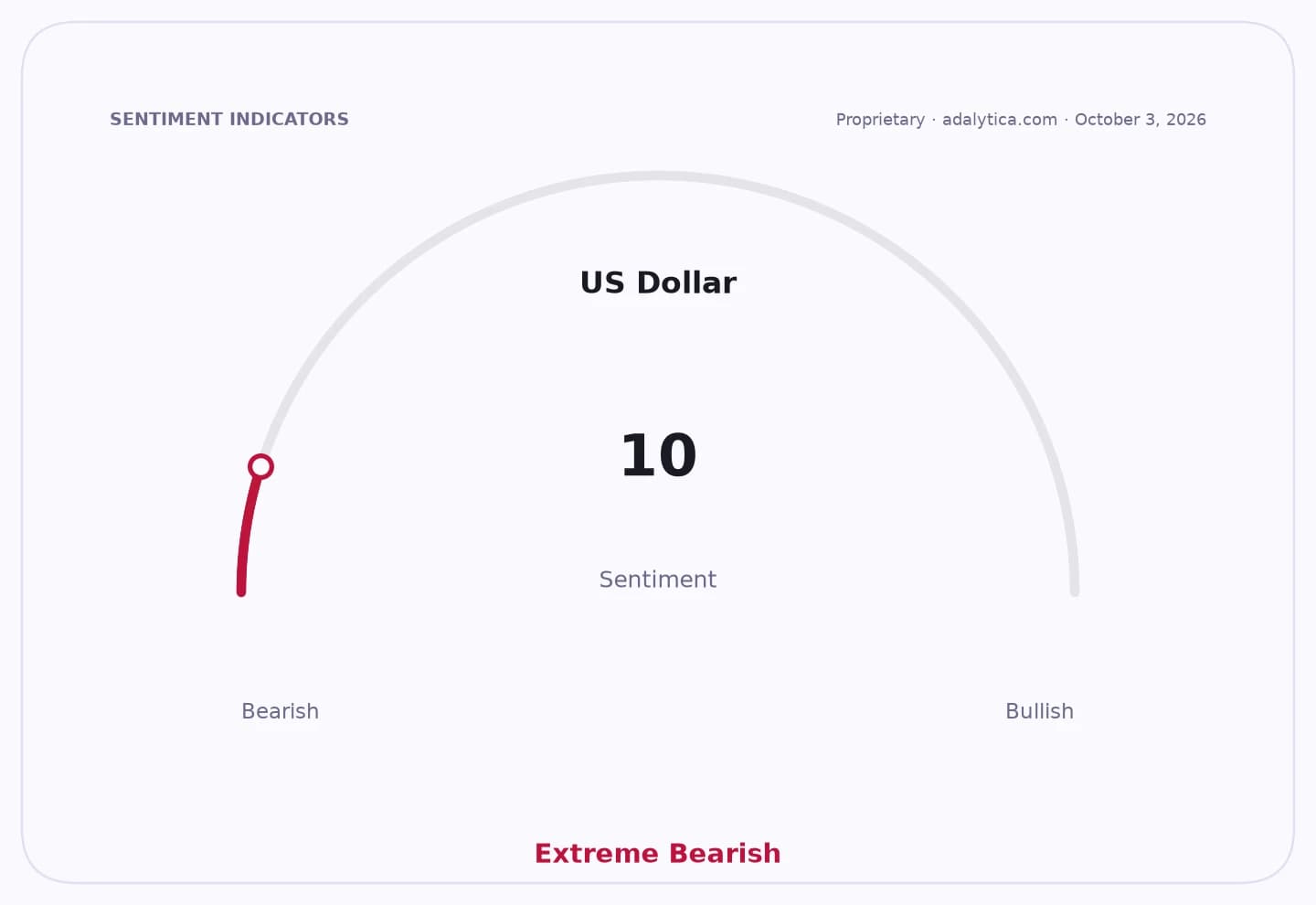
Sentiment IndicatorsⓘProprietary · adalytica.com · October 4, 2026
This is a snapshot — live sentiment, awareness and momentum for 130+ markets update continuously in the dashboard.Open AlphaPulse
The bigger economic story is that global arabica prices are falling, creating room for Russian retail prices to drift lower over time. That matters because coffee is not just a pantry item: it is a visible consumer inflation line, a margin input for cafes and packaged-food companies, and a gauge of how quickly falling commodity costs reach shoppers. In a market where food inflation and imported goods costs still carry weight, even a small decline can improve purchasing power at the margin.
For investors, the key question is who captures the benefit. If bean costs continue to soften, downstream buyers such as branded beverage companies, cafe chains and food distributors should eventually see relief in input costs, though not immediately. Trenin pointed out that the pass-through is delayed by existing procurement contracts, currency moves and added expenses for logistics, packaging, production and retail markups. That lag means the first impact often shows up in gross margins before it reaches shelf prices.
The foreign-exchange backdrop also matters. A weaker or more volatile currency can blunt the benefit of cheaper raw coffee, which is why Russian consumer prices are likely to fall more slowly than futures quotations. Still, the direction is now more favorable than it was a year ago, when prices were surging. For a consumer market under pressure, that is a meaningful shift.
The setup is also relevant beyond Russia. Coffee is a globally traded soft commodity, and the recent easing in arabica suggests a broader cooling in one of the market’s most inflation-prone food categories. If the decline holds, it could become a quiet tailwind for margins in consumer-facing businesses while limiting one source of food inflation for households.
The near-term takeaway is straightforward: the market is moving from scarcity pricing toward normalization. That is good for consumers, and it creates an opportunity for investors to look at downstream names that benefit from lower input costs before the savings are fully reflected in earnings.
| Entity | Gains | Losses |
|---|---|---|
| Russian consumers | ▲Lower coffee bills | ▼Less pricing pressure relief delayed |
| Coffee retailers/cafes | ▲Potential margin support | ▼Slower pass-through to sales |
| Importers/bean buyers | ▲Cheaper replenishment costs | ▼Inventory bought at higher prices |
| Coffee growers/exporters | ▲— | ▼Softer arabica pricing |