Coffee discount pricing is not a niche accounting quirk; it is the mechanism that decides how much of the benchmark coffee price exporters actually keep, and in a market already pressured by volatile input costs, that spread can determine whether a shipment is profitable or a financing bridge too far.
Coffee exporters face pricing differentials and margin squeeze
At its simplest, the “discount” or differential is the amount subtracted from the benchmark exchange price when coffee is sold on an origin basis, typically FOB. In practice, buyers use it to reflect freight, insurance, quality, origin reliability and, increasingly, bargaining power. A higher-quality lot can narrow the discount or even trade at a premium, while weaker grades are sold at a larger deduction. In other words, the benchmark quoted on screen is only the starting point; the final realized price depends on the differential attached to the contract.
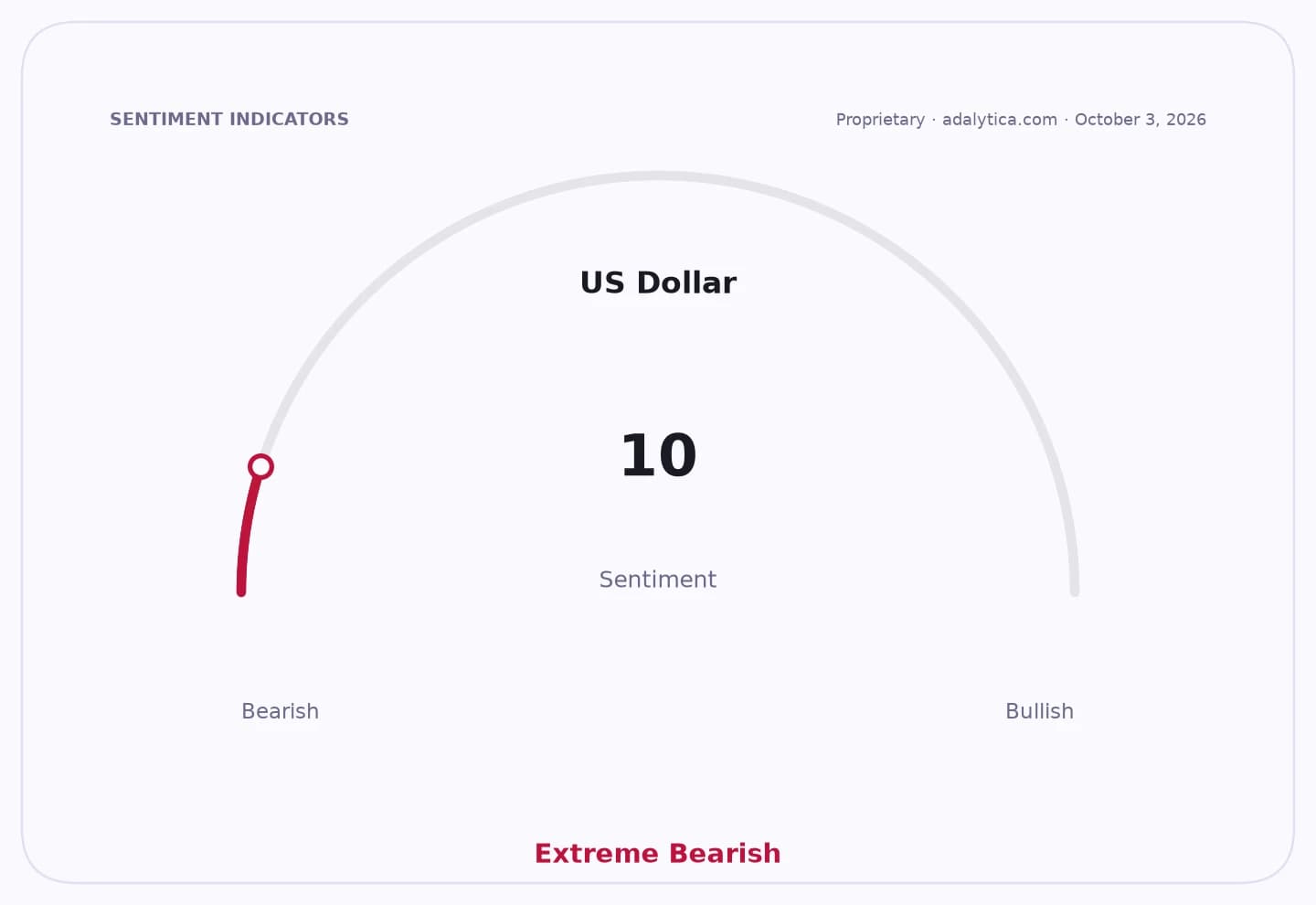
Sentiment IndicatorsⓘProprietary · adalytica.com · October 3, 2026
This is a snapshot — live sentiment, awareness and momentum for 130+ markets update continuously in the dashboard.Open AlphaPulse
That distinction matters because it shifts risk away from buyers and toward exporters. Once a seller agrees to sell “London minus $100” or a similar structure, the physical coffee may be committed while the final price remains open until a later fixing date. The seller can choose when to set the flat price, but the buyer already knows the volume that will eventually arrive. That gives traders and roasters better visibility on supply, while producers and exporters remain exposed to price moves and to changes in the differential itself.
For Vietnamese exporters, the issue is especially important because the market has evolved from a world in which sellers were routinely penalized for quality to one in which better processing can command a “London plus” premium. But the financial logic of differential selling has not disappeared. The source material points to a persistent weakness: many exporters still sell on deferred pricing because they need contracts to secure bank funding, not because they have strong conviction on the market. That leaves them forced to finance inventory and working capital while hoping the benchmark rises before they fix the price.
The result is a classic margin squeeze. If domestic coffee prices are already above world prices, even a fixed sale can lock in losses. Selling on differential terms can delay the pain, but it does not remove it. It simply adds another layer of exposure between the exporter and the final cash flow. That is why a market with weak balance-sheet flexibility, opaque forward sales and little coordination on pricing strategy can end up accepting unfavorable differentials even when its coffee quality improves.
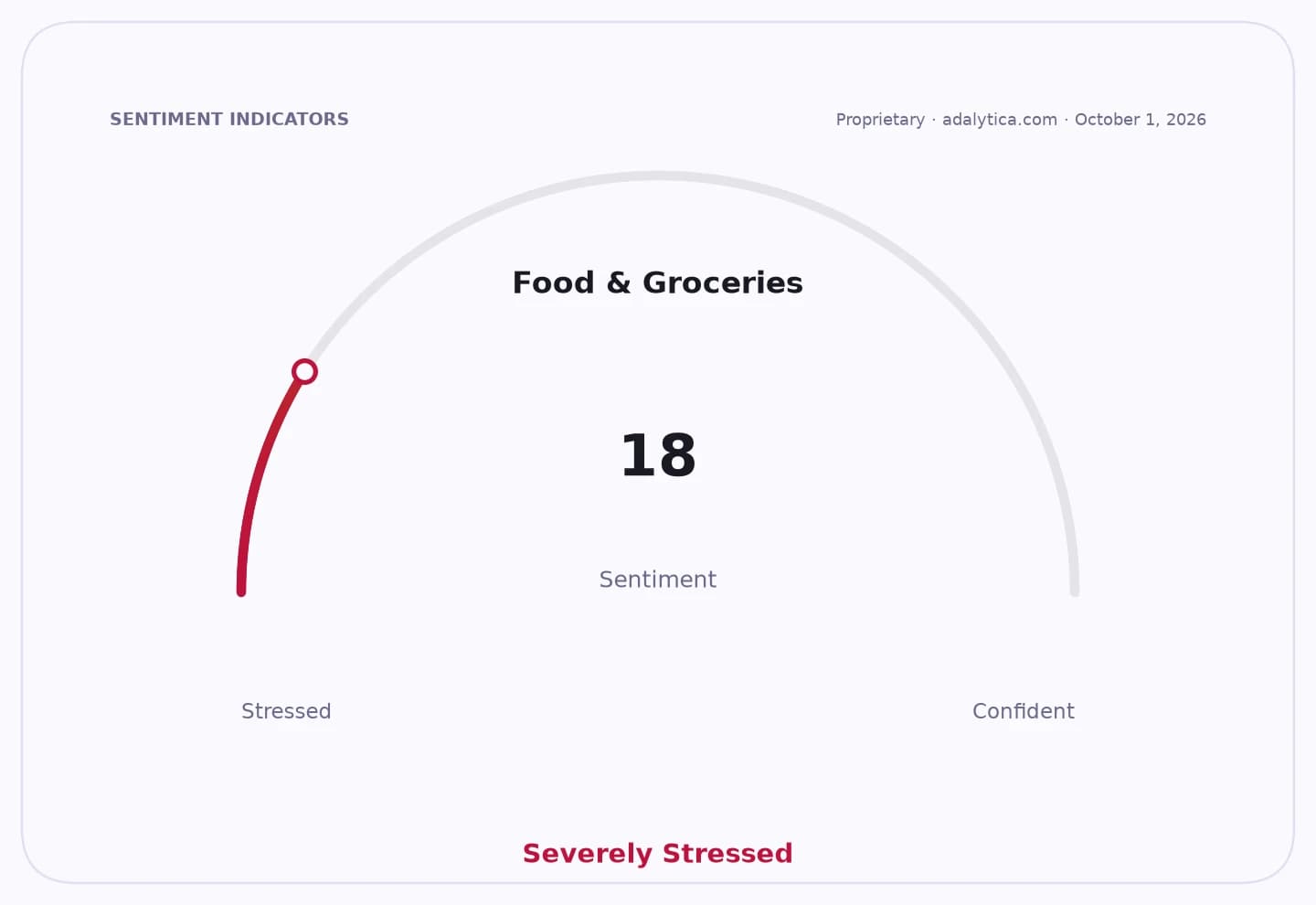
The broader market backdrop reinforces the pressure. Green coffee prices have been under strain in recent company filings, including J.M. Smucker’s coffee business, which cited a sustained decline in green coffee prices and lower net sales. Starbucks has also flagged commodity-price risks and continued to reshape its coffeehouse economics. Those developments suggest the coffee value chain is still absorbing shifts in raw-bean costs, consumer pricing and margin protection across roasters, traders and exporters.
For investors, the key takeaway is that coffee trading is not just a bet on beans or on benchmark futures. It is also a credit and liquidity story. The sellers most exposed to discounts are those with thin working capital, weak hedging discipline and low visibility on open positions. The winners are the buyers and roasters that can dictate differentials, manage inventory and fund positions without being forced to sell into the market.
If benchmark prices remain volatile, the differential will matter as much as the headline exchange quote. For producers, exporters and lenders, the spread between the two will continue to decide who captures value in the coffee chain and who merely passes risk along.
| Entity | Gains | Losses |
|---|---|---|
| Buyers/roasters | ▲More pricing power | ▼Less favorable sourcing when quality improves |
| Exporters/producers | ▲Premiums for better coffee | ▼Margin squeeze from weak differentials |
| Banks/lenders | ▲More collateral-linked business | ▼Higher credit risk from open positions |
| Investors in coffee chains | ▲Exposure to pricing discipline | ▼Exposure to working-capital strain |