Coffee prices in Vietnam climbed again on Oct. 4, while pepper held steady, reinforcing a split that matters for growers, traders and anyone watching agricultural inflation: coffee is getting a fresh lift from firmer global futures, but pepper is pausing after its recent move higher.
Vietnam Coffee Prices Rise as Pepper Stays Flat
That matters because coffee is not just a farmgate story. It is a cash-flow story for farmers in the Central Highlands, a supply story for exporters, and a pricing story for roasters and consumer brands that ultimately pass costs through the chain. When domestic coffee prices in key producing regions move back around 94,000 dong a kilogram, producers get a clearer signal that the market has not lost its underlying strength despite the whipsaw action seen earlier in the month.
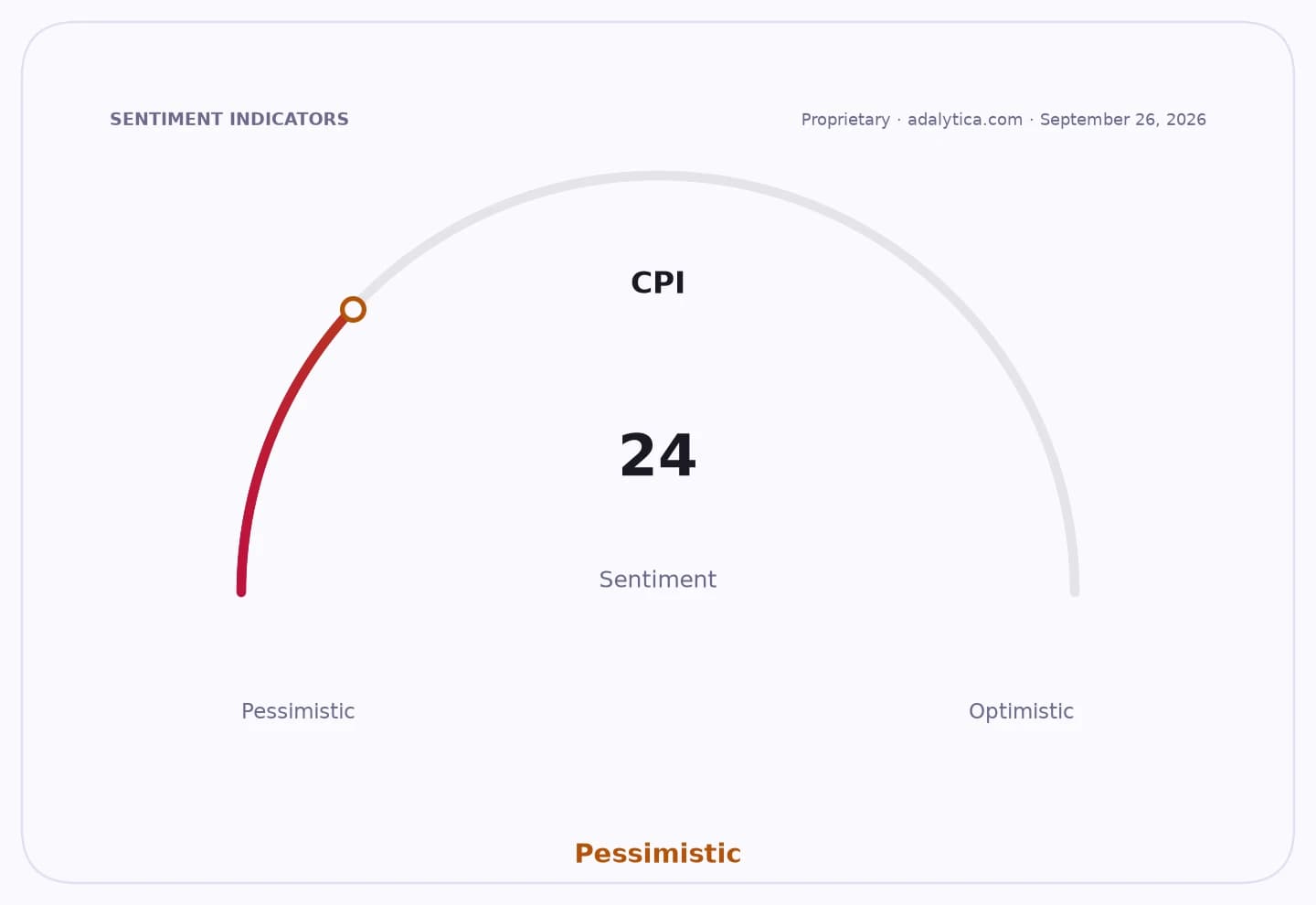
Sentiment IndicatorsⓘProprietary · adalytica.com · October 4, 2026
This is a snapshot — live sentiment, awareness and momentum for 130+ markets update continuously in the dashboard.Open AlphaPulse
The gains were modest but broad. Dak Lak and Gia Lai rose 200 dong a kilogram to 94,000 dong, while Lam Dong increased to 93,499 dong and Dak Nong held at 94,000 dong. That pulled the average in the Central Highlands to about 94,000 dong, up 100 dong. In other words, this was not a single-region anomaly; it was a market-wide nudge higher.
The international backdrop helps explain why. Robusta futures in London closed higher across the board, with the November 2026 contract rising 21 dollars, or 0.61%, to 3,469 dollars a ton. Longer-dated contracts rose even more, up as much as 1.64%. Arabica in New York also finished in positive territory across the quoted maturities, with the March 2027 contract up 0.32% to 280.50 cents a pound. For investors, that combination suggests coffee is still being supported by buying interest rather than merely by local tightness in Vietnam.
That is the key long-term point: coffee is showing the kind of price resilience that can support producer margins, encourage inventory discipline and keep export revenues firmer if global demand holds up. The recent move above and around 94,000 dong a kilogram also matters because it suggests the market has found a higher operating range after several days of back-and-forth trading.
Pepper, by contrast, was the quiet part of the story. Prices were unchanged across surveyed regions, with Dak Nong still at 140,500 dong a kilogram and the low end at 136,500 dong. The spread of just 4,000 dong between the highest and lowest regions shows a market that has settled after late-September gains. For pepper farmers, stability is useful, but it also means there is no fresh momentum to seize.
For investors, the bigger narrative is about relative strength. Coffee is the commodity with the better near-term tailwind, while pepper is consolidating. That can matter for agribusiness names, export-oriented suppliers and even broader inflation expectations in food-linked categories if coffee’s rally persists. It also keeps attention on the sustainability of the move in robusta, which has been one of the more closely watched agricultural contracts this year.
The next question is whether coffee can hold this firmer band into the rest of the month. If global futures stay supported and Vietnamese farmgate prices remain near 94,000 dong, producers could see better pricing power. For long-term investors, that makes the coffee complex worth watching, while pepper looks more like a hold-and-wait market for now.
| Entity | Gains | Losses |
|---|---|---|
| Coffee farmers in Vietnam | ▲Higher farmgate prices | ▼Earlier price volatility |
| Coffee exporters | ▲Firmer selling prices | ▼Buyers facing higher costs |
| Roasters and beverage brands | ▲Stable supply if rally continues | ▼Margin pressure from higher input costs |
| Pepper growers | ▲Price stability | ▼Lack of fresh upside |