Gia Lai’s export turnover is estimated at more than $2.9 billion in the first nine months, driven by a sharp rebound in processed industries and several agricultural shipments, even as coffee earnings fell on lower prices.
Gia Lai exports rise as coffee revenue falls
The headline number matters because it shows the province’s export base is still expanding despite a more uneven commodity backdrop. For a region long associated with raw agricultural output, the mix of growth is more important than the total: higher-value processing and labor-intensive manufacturing are doing more of the heavy lifting, which helps stabilize export income and supports local industrial activity, employment and tax revenue.
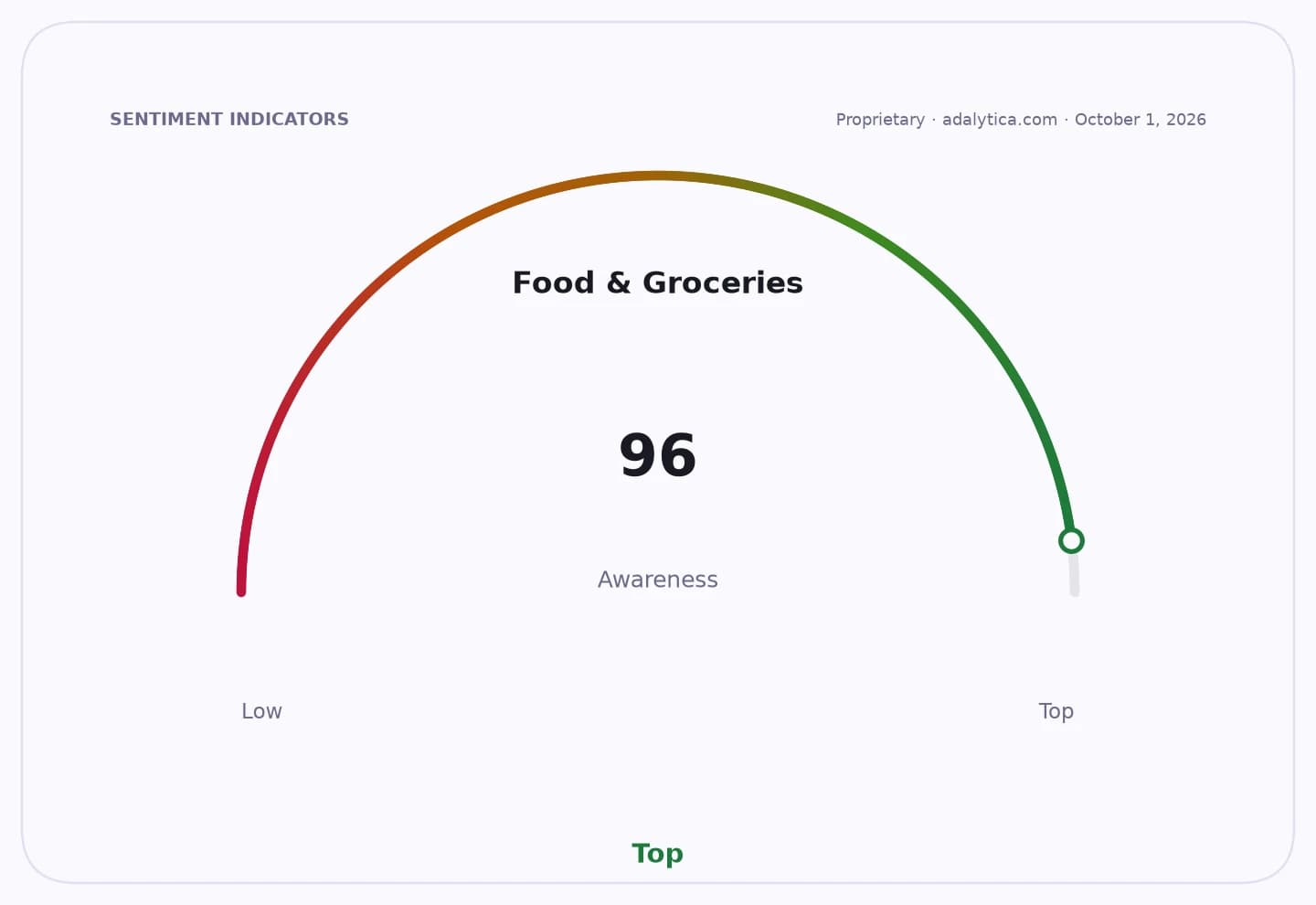
Sentiment IndicatorsⓘProprietary · adalytica.com · October 1, 2026
This is a snapshot — live sentiment, awareness and momentum for 130+ markets update continuously in the dashboard.Open AlphaPulse
The strongest gains came from seafood, cashew nuts and passion fruit concentrate, alongside sago and cassava products. Seafood export value was estimated at $147.71 million, up 128% from a year earlier, while cashew exports jumped 440.8% to $10.13 million on stronger orders and processing activity. Passion fruit concentrate rose 305.7% to $35.91 million, and cassava and cassava-based products climbed 13.9% to $56.17 million.
The industrial side of the export story was even more striking. Processing industries generated more than $379 million, up more than 114%, while wood products brought in more than $406 million, up over 119%. Garments reached $364.54 million, up 115.9%, and plastic products rose 140.4% to $192.69 million. Officials said the gains were mainly due to companies maintaining and expanding production and export orders; in garments, rising imports of raw materials and accessories also pointed to stronger factory demand tied to export orders.
That matters for investors because it suggests the export upswing is not just a one-commodity story. When processing, wood and garments are all improving together, it points to broader capacity utilization and a more resilient earnings base for local manufacturers and suppliers. It also implies that Vietnam’s provincial export growth is increasingly tied to deeper supply chains rather than only crop prices, which is positive for medium-term competitiveness.
The weakness in coffee is the counterweight. Coffee exports were estimated at more than $1.16 billion in the nine months, down 10.4% from a year earlier, mainly because export prices fell. Rice exports also dropped 21.4% to $21.65 million on softer demand and orders in overseas markets, while vegetables and fruits slipped 3.86% to $34.28 million as seasonal supply, output and stricter quality and quarantine requirements weighed on shipments, especially to China.
For markets, that split is the key narrative: Gia Lai is benefiting from a rebound in processed exports, but its still-large dependence on agricultural commodities leaves it exposed to price cycles and buyer standards abroad. The province’s next phase of growth will depend on whether the manufacturing and processing gains can keep offsetting weaker commodity pricing, and whether exporters can continue moving up the value chain rather than relying on volume alone.
| Entity | Gains | Losses |
|---|---|---|
| Gia Lai processors | ▲Higher export orders | ▼Margin pressure from input costs |
| Garment and wood exporters | ▲Stronger shipments | ▼Dependence on imported materials |
| Coffee exporters | ▲Larger shipment base | ▼Lower export prices |
| Farmers and local economy | ▲More industrial demand | ▼Slower income from weak crops |