Thailand’s agricultural sector is being squeezed from both sides: imported feed costs are climbing just as key domestic crop and livestock prices are softening, a combination that threatens margins for farmers and feed producers even as poultry remains stable.
Thailand agribusiness margins दब? CPF, GFPT in focus
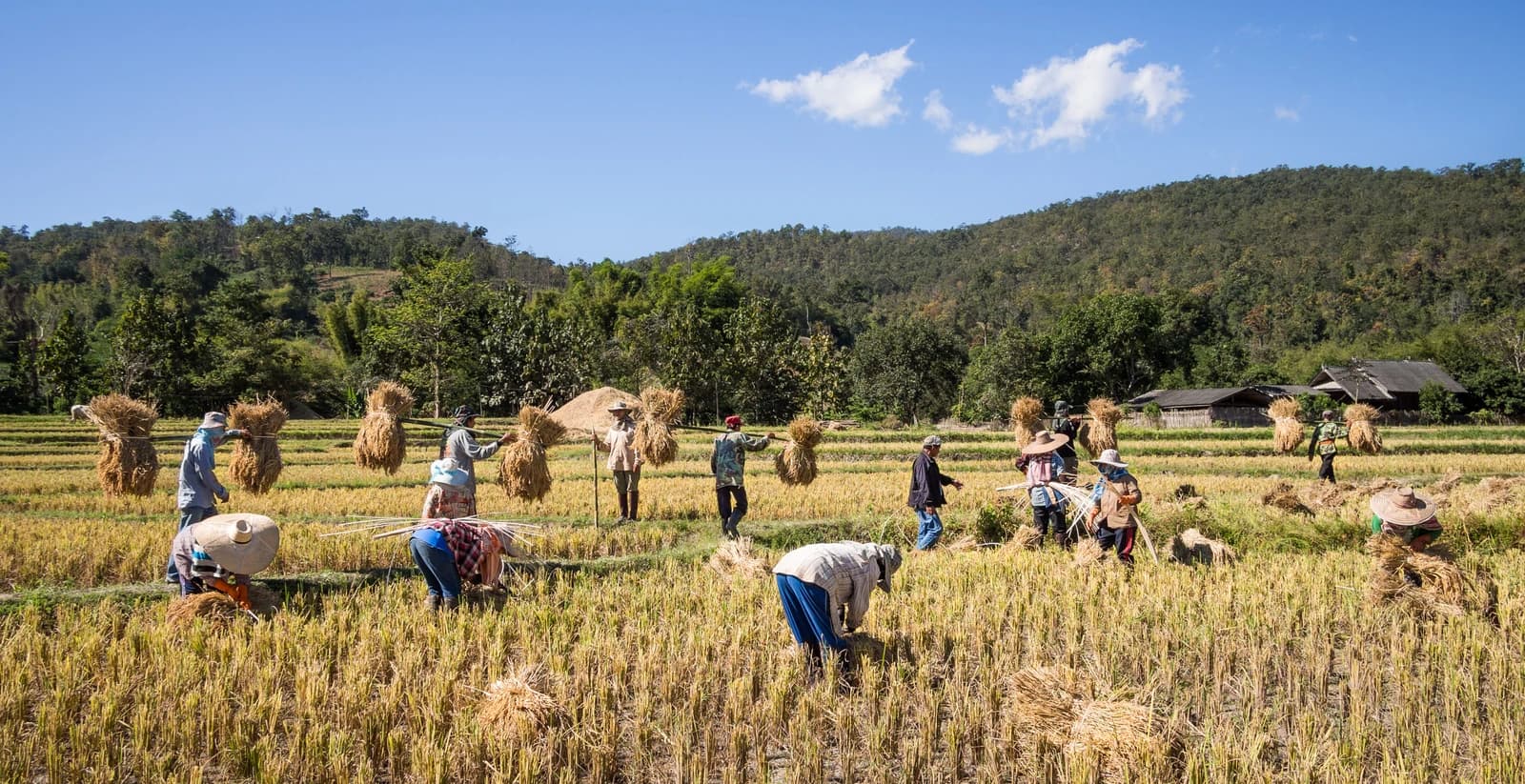
That matters because Thailand’s farm economy is highly exposed to global commodity swings, freight costs and weather, and the latest week shows the classic squeeze that can erode cash flow across the supply chain. Corn prices at domestic feed mills rose to 594 baht per load from 588 baht, while imported soybean meal increased to 18.75 baht per kilogram from 18.50 baht, reflecting firm Chinese demand and elevated shipping costs tied to geopolitical friction. For producers who buy feed daily but sell into a weaker pricing environment, that is the wrong mix at the wrong time.
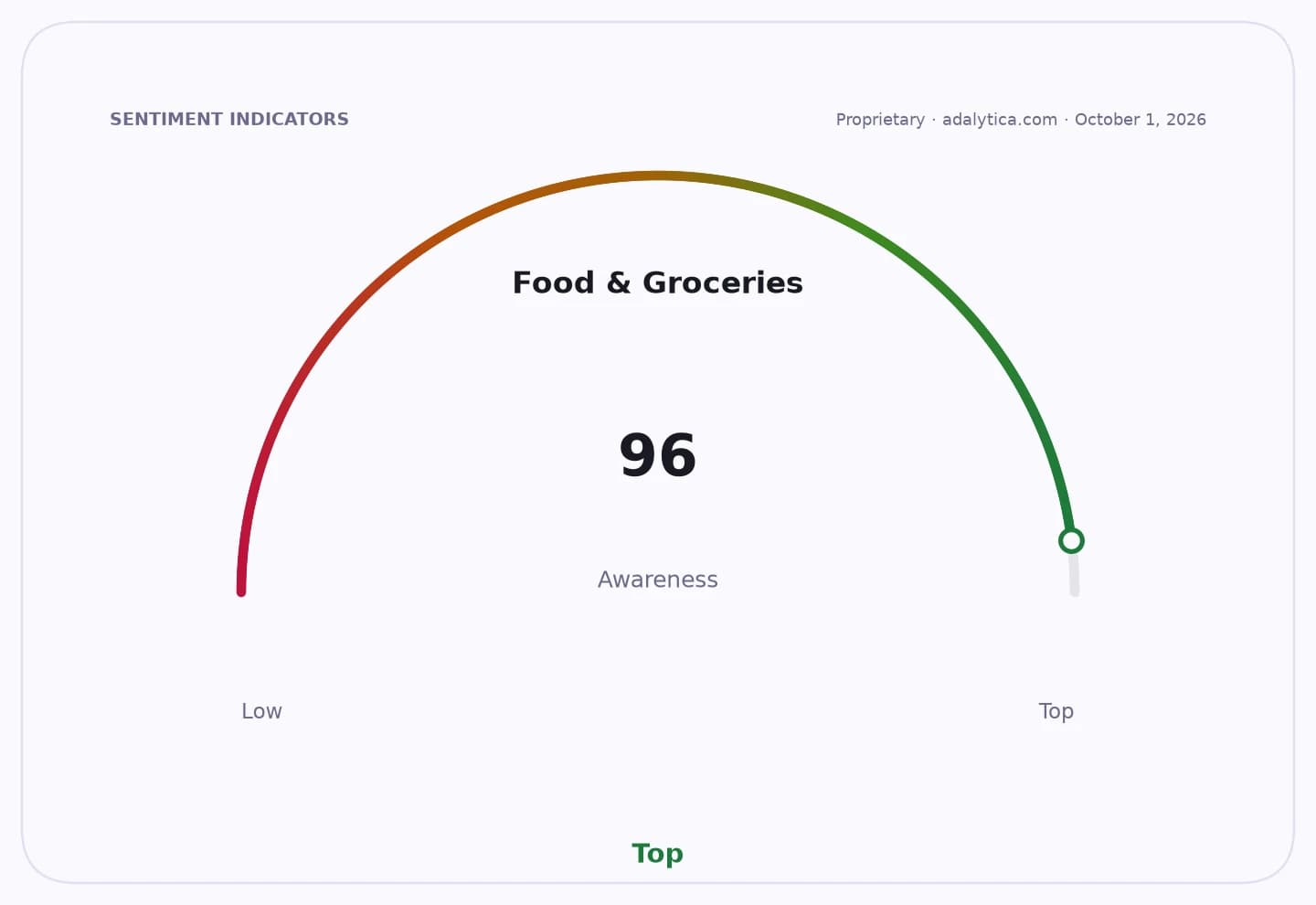
Sentiment IndicatorsⓘProprietary · adalytica.com · October 1, 2026
This is a snapshot — live sentiment, awareness and momentum for 130+ markets update continuously in the dashboard.Open AlphaPulse
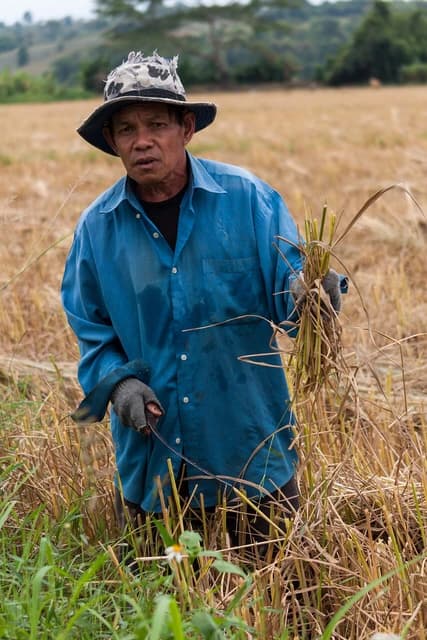
Rice and pigs, two of the most important food categories for Thai consumers and exporters, are also under pressure. Thai white rice 100% grade 2 slipped to 1,450 baht a sack from 1,470 baht, while Bangkok FOB rice prices eased to $485 a ton from $490. Live hog prices at farms averaged 68 to 74 baht a kilogram, with wet weather curbing demand and softening market consumption. When output prices fall faster than input costs, the result is margin compression, and that tends to hit smaller and more leveraged operators first.
The market is already showing the strain. CPF, one of Thailand’s biggest food names, has been under pressure, with its shares recently drifting to 21.2 baht from 23.6 baht in late August, while GFPT has rebounded to 11 baht from the high 9-baht area but remains sensitive to feed costs and poultry pricing. Technically, CPF has slipped below its recent highs and its 50-day moving average, a sign that investors are still discounting earnings risk rather than paying for defensive food exposure. GFPT is firmer, but its recent RSI readings have cooled from overbought levels, suggesting the stock needs better margin news to sustain upside.
The broader backdrop reinforces the story. CBOT corn and soybeans have softened on the day as traders wait for U.S.-China trade signals, but the domestic Thai market is not getting much relief because import demand remains strong and freight rates are still elevated. Even the oil market, with Brent-linked benchmarks still volatile around $96 a barrel, keeps transport and feed logistics expensive. For Thai agriculture, this is not just a short-term price wobble; it is a margin cycle driven by global inputs and local weakness.
There are still pockets of resilience. Broiler chickens held at 46 baht a kilogram and egg prices stayed at 4 baht apiece, giving poultry a relative earnings advantage versus pork and rice. That is where investors should focus: the winners are the producers with pricing discipline, integrated feed exposure and export access, while the losers are the farmers and processors trapped between rising imported costs and falling domestic selling prices.
My view is that the market underestimates how quickly this kind of spread can reshape earnings across Thai agribusiness. Until feed costs ease or rice and hog prices stabilize, the best-positioned names are the ones with scale, integrated supply chains and poultry exposure — not the businesses most tied to raw rice and pig cycles.
| Entity | Gains | Losses |
|---|---|---|
| Poultry producers | ▲Stable prices | ▼Less margin pressure |
| Rice exporters | ▲Inventory turnover | ▼Lower selling prices |
| Hog farmers | ▲Larger integrated farms | ▼Weak farm-gate prices |
| Feed importers | ▲Higher input demand | ▼Margin squeeze for buyers |