East Java’s poultry supply chain is getting a significant corn injection from Sulawesi as Indonesia’s state logistics agency moves to ease feed inflation before it ripples through egg and chicken prices.
Bulog ships 33,000 tons corn to East Java
Perum Bulog’s Sulawesi Selatan and Sulawesi Barat unit is shipping 33,000 tons of corn to Bulog East Java under the government’s SPHP food price-stabilization program, according to the agency. The transfer matters because corn is a core input for poultry feed, and East Java is one of the country’s main poultry-producing hubs. Lower feed costs can slow the pass-through into retail protein prices, a politically sensitive issue in a country where food inflation quickly reaches household budgets.
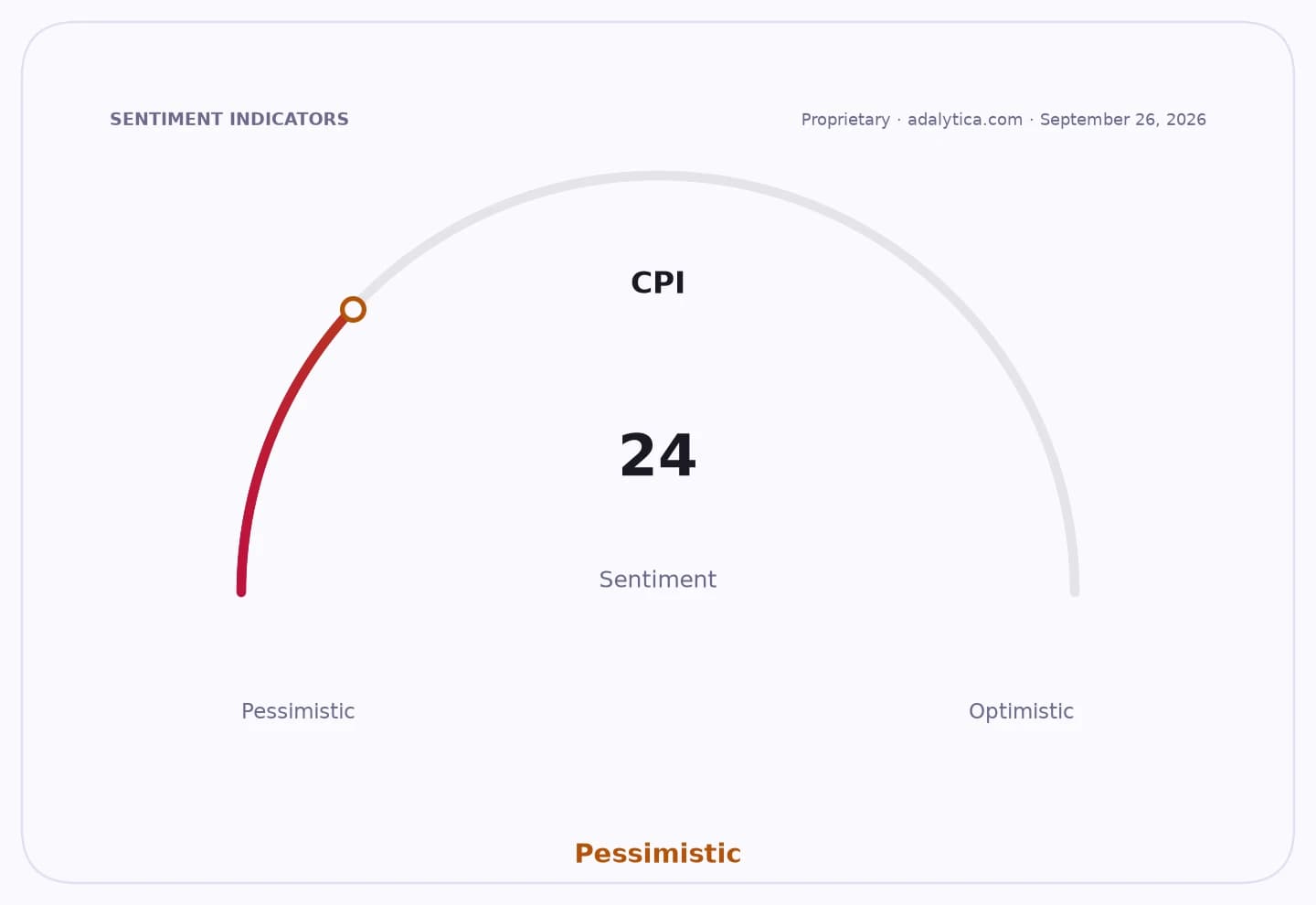
Sentiment IndicatorsⓘProprietary · adalytica.com · September 30, 2026
This is a snapshot — live sentiment, awareness and momentum for 130+ markets update continuously in the dashboard.Open AlphaPulse
The shipment also highlights the balancing act in Indonesia’s grain market: South Sulawesi has sufficient stock as a major corn-producing region, while East Java faces tight demand from livestock producers. By redirecting supply through Bulog rather than leaving prices entirely to the market, authorities are effectively using state inventory to smooth regional imbalances and prevent sharp spikes that could squeeze farm margins and push up egg and broiler prices.
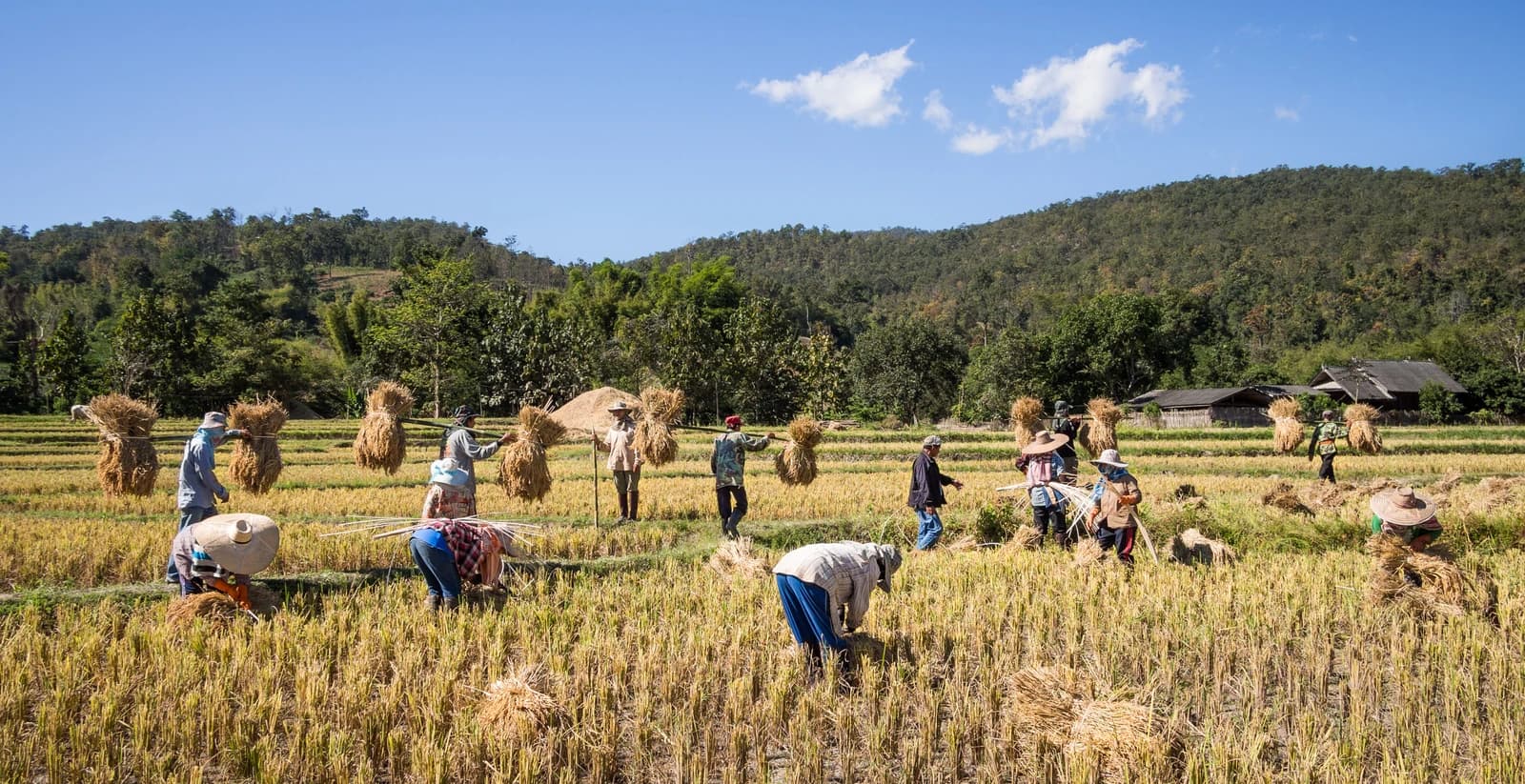
For farmers in South Sulawesi, the policy provides an outlet for harvested corn and helps support absorption when local supplies are ample. For poultry producers in East Java, it offers a more predictable feed bill at a time when corn prices can quickly distort production economics. The agency said the grain will be moved by sea in stages, then distributed to registered farmers and farmer groups while maintaining quality standards.
The move comes as broader corn markets have been volatile. U.S. corn futures have recently traded above both the 50-day and 200-day moving averages, with technical indicators such as RSI readings still showing elevated momentum, reflecting a firmer global tone even as supply conditions vary by region. In that context, Indonesia’s state intervention is less about influencing global prices than about insulating domestic producers from imported volatility and local bottlenecks.
Bulog’s plan to seek an additional 3,800 tons of SPHP corn allocation in 2026 underscores that this is not a one-off shipment but part of a wider policy response. If feed costs keep rising, the risk is not only margin pressure for poultry farms but also higher consumer prices for eggs and chicken, two staples that often set the tone for food inflation. The near-term question is whether state stock releases can keep pace with demand without discouraging farmers or creating a new cycle of intervention.
| Entity | Gains | Losses |
|---|---|---|
| Bulog Sulselbar | ▲Stocks absorbed; policy role strengthened | ▼Inventory reduced |
| East Java poultry farmers | ▲Lower feed costs | ▼Less upside from tight corn prices |
| South Sulawesi corn farmers | ▲Reliable sales channel | ▼Higher local supply may cap prices |
| Consumers | ▲Lower egg and chicken inflation risk | ▼Limited if stabilization lags |