Russia’s sunflower oil market is entering harvest season with prices sliding almost 10%, and that is forcing farmers in Altai and across the country to confront a classic squeeze: bigger supply, weaker domestic bids and clogged export routes.
Russia sunflower oil prices fall as harvest starts
The benchmark price for sunflower oil on Russia’s home market fell to 85.7 thousand rubles per ton in the past week, according to SovEcon data cited by Kommersant. That drop matters because it comes just as the new crop is hitting the market and exporters are struggling to reroute volumes away from the Azov-Black Sea basin. For growers, that combination is poisonous: more seed is coming off the fields, but less of it can be absorbed at attractive prices.
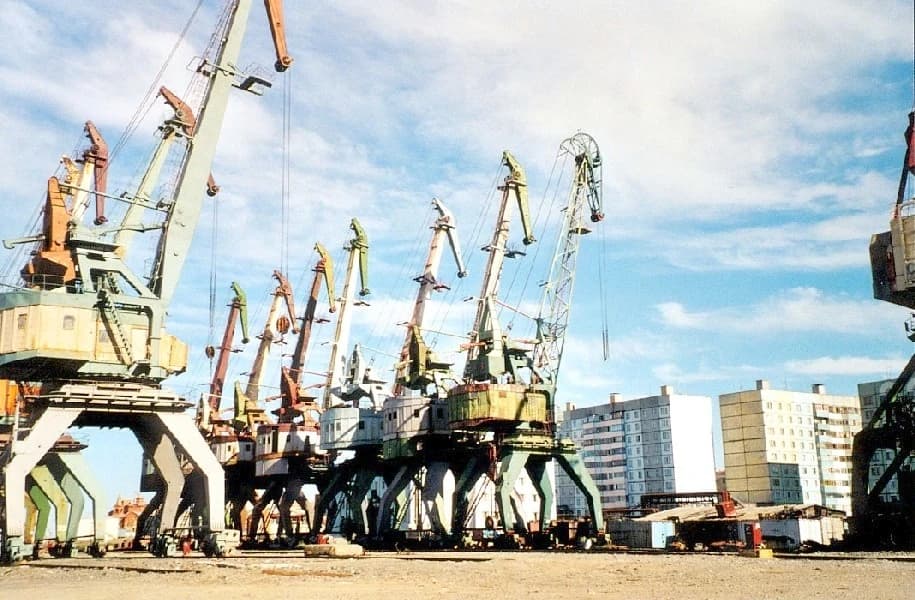
This is not a narrow regional story. Russia expects to harvest about 21 million tons of sunflower seed this season, up sharply from 17.5 million tons a year earlier. With roughly two-thirds of Russian vegetable oil typically sold abroad, export logistics now have an outsized influence on domestic pricing. When seaborne flows are disrupted, surplus product has to land somewhere else — and the most likely destination is the local market, where it pushes down procurement prices for farmers.
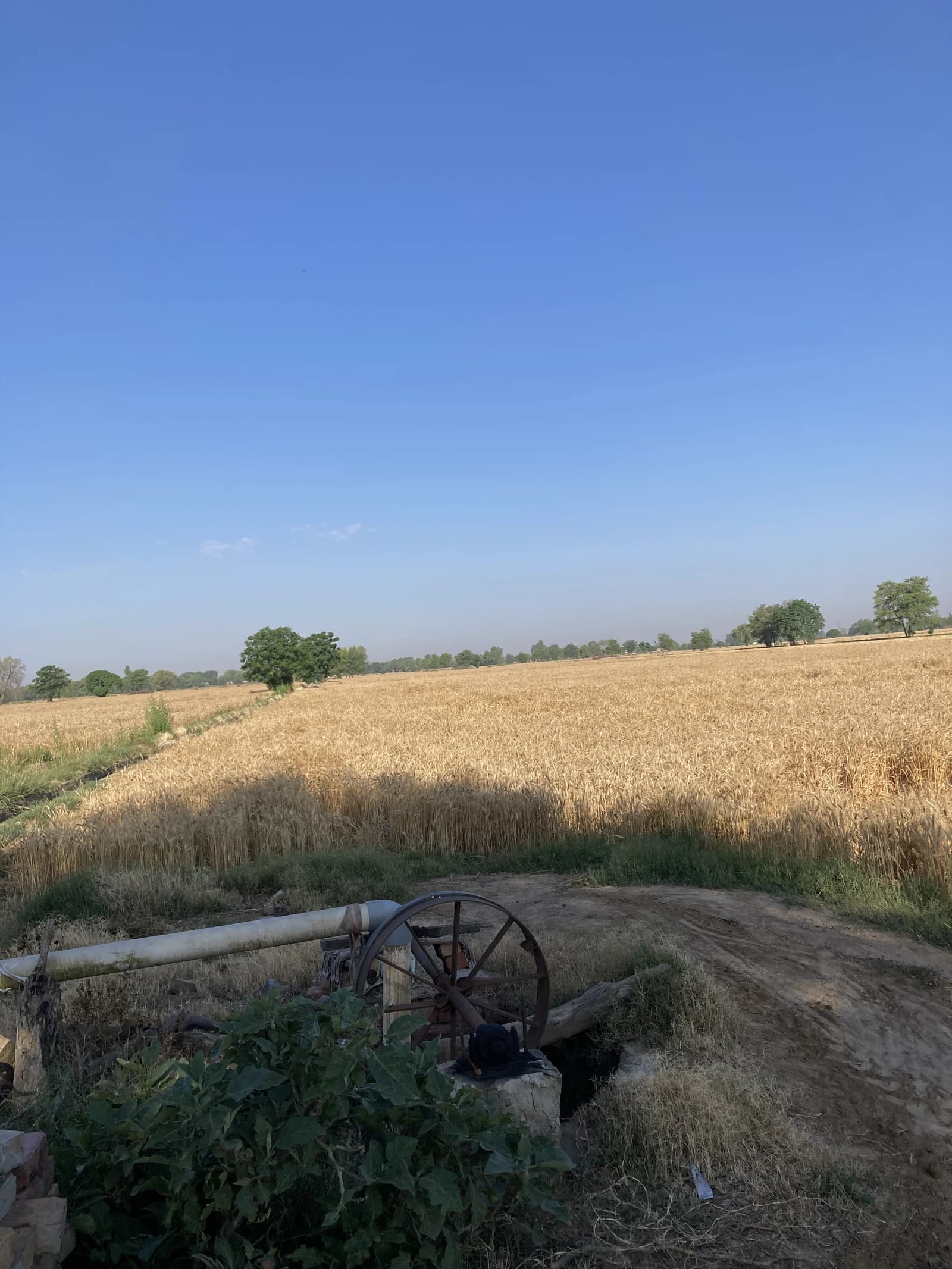
That is why Altai matters. The region accounts for about a tenth of Russia’s sunflower output and has already started collecting the crop, with local farmers declaring around 70,000 tons in the past week. Producers there say they are less exposed than southern exporters because they already rely heavily on eastern routes through Kazakhstan, Uzbekistan and the Far East. But they are not insulated. If southern oil and seed volumes are redirected by rail into Siberia, Altai buyers will face fresh competition and farm-gate prices could fall further from the roughly 40 rubles per kilogram seen in August to around 30 rubles now.
The market is also seeing a split between Russia and the world. Global vegetable oils rose 16.8% from January through August and have climbed for three straight months to their highest level since June 2022, according to local analysts. That divergence should have been an export opportunity. Instead, Russian producers are being trapped by logistics, not demand. The result is a weaker domestic price even as the international backdrop remains constructive.
For investors, the message is straightforward: the pressure is bearish for Russian growers and supportive for processors with access to cheap raw material, but only if they can move the finished product. In other words, the value lies less in the crop itself and more in the toll roads of agriculture — rail, storage, export terminals and firms with existing eastern logistics networks. The market underestimates how much of this story is about route flexibility, not just harvest size.
The next catalyst is whether Russia can open enough alternative channels through Kazakhstan, the Baltic and the Caspian, or accelerate a China corridor from Altai. Until then, the trade remains simple: more sunflower, lower farm-gate prices, and a tougher backdrop for growers who were counting on a normal seasonal rebound.
| Entity | Gains | Losses |
|---|---|---|
| Russian oilseed processors | ▲Cheaper raw material | ▼Grower margin pressure may persist |
| Altai farmers | ▲Existing eastern export links | ▼Lower procurement prices |
| South Russian exporters | ▲More urgency to reroute volumes | ▼Logistics bottlenecks and weaker pricing |
| Rail and logistics operators | ▲More freight demand | ▼Higher network strain |