Rosneft has started shipping crude from its new Arctic terminal in Taimyr, turning a long-delayed Russian megaproject into an operating export route that could help Moscow defend oil output in the years ahead.
Rosneft starts Arctic crude shipments from Taimyr
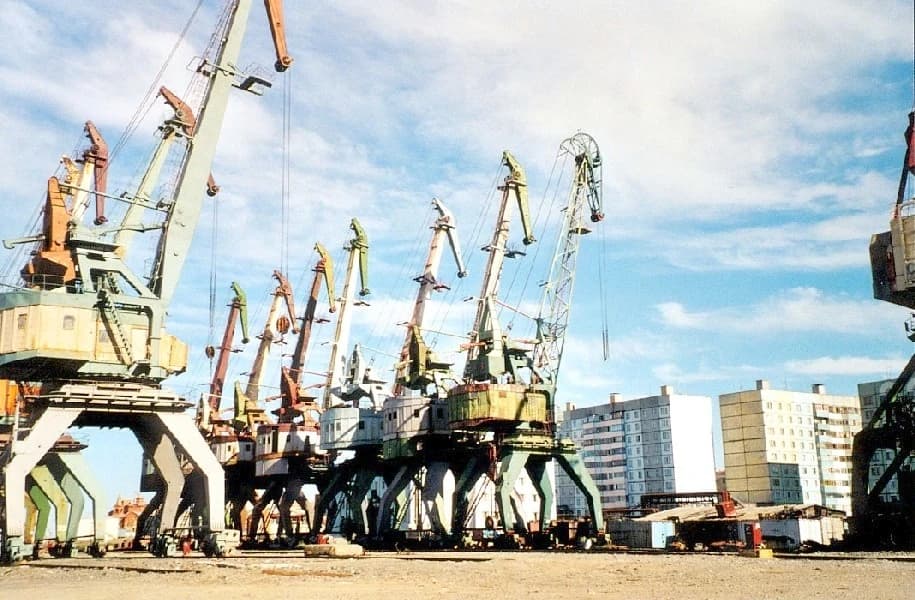
That matters because Russia’s energy budget, its export earnings and its ability to keep pumping oil all depend on finding new barrels as legacy fields mature and sanctions make foreign capital scarce. The first cargoes from the North Bay terminal are still modest — about 150,000 barrels per day so far — but they show that Moscow is finally putting the “Vostok Oil” vision into practice after years of setbacks.
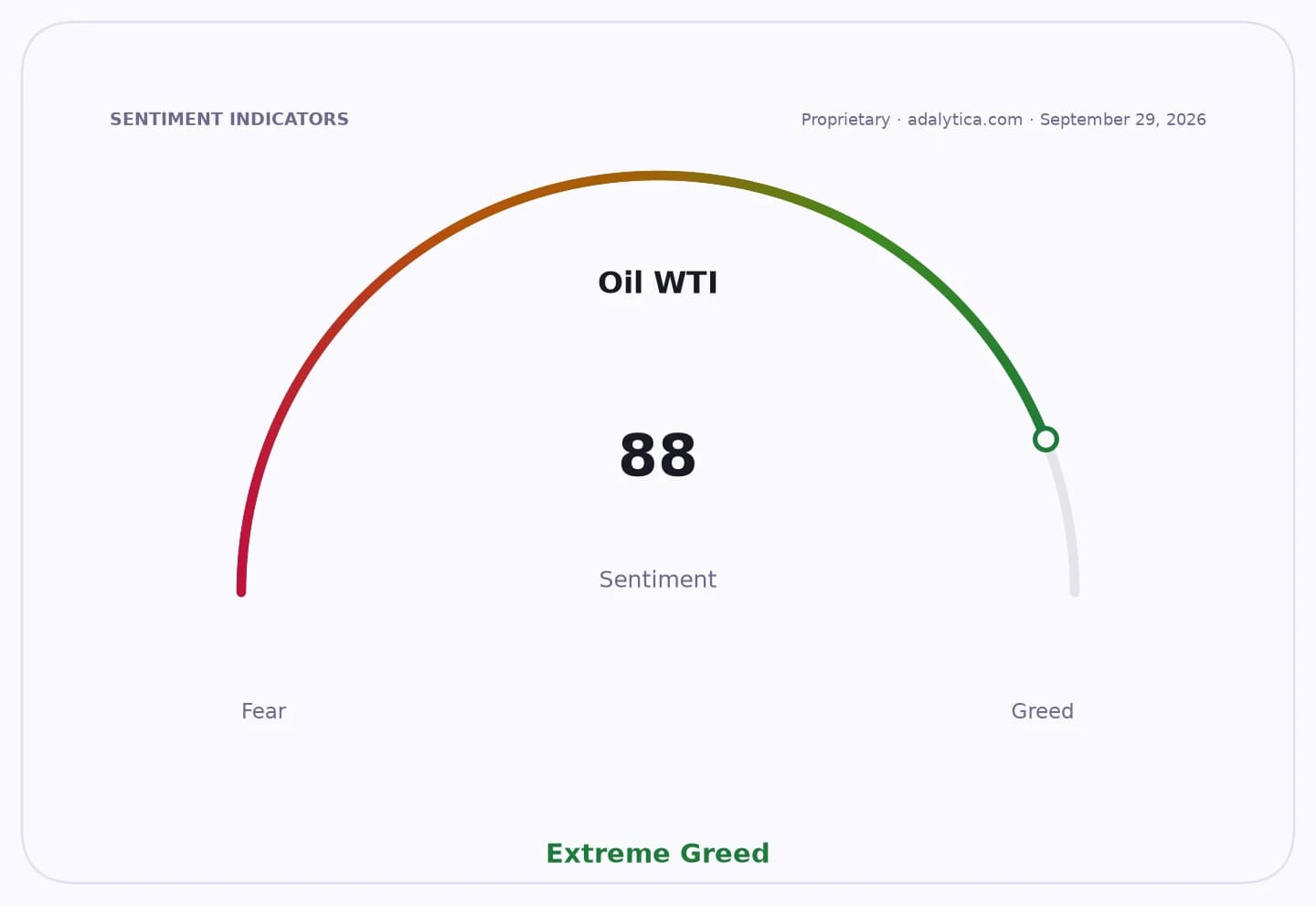
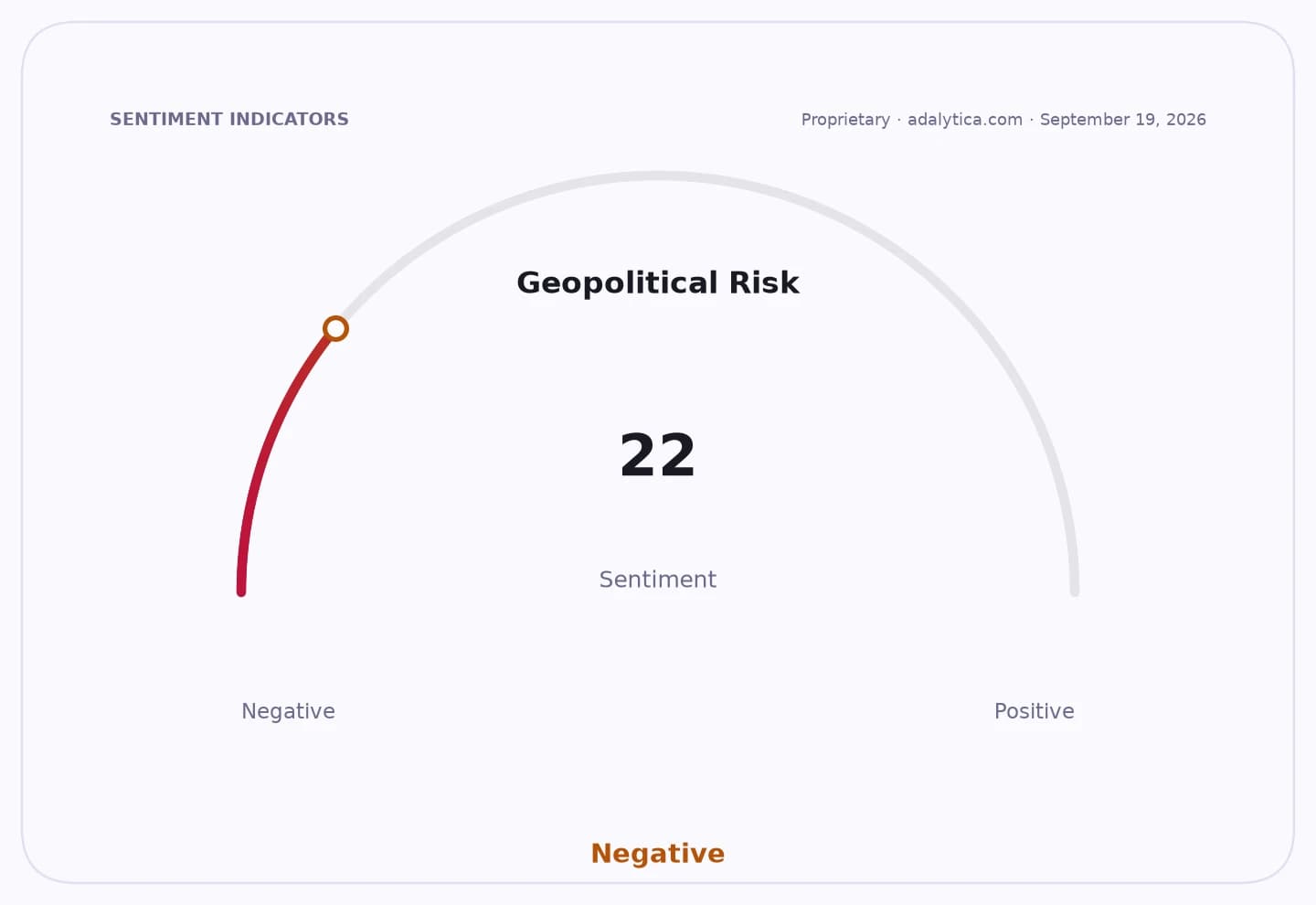
Sentiment IndicatorsⓘProprietary · adalytica.com · September 29, 2026
This is a snapshot — live sentiment, awareness and momentum for 130+ markets update continuously in the dashboard.Open AlphaPulse
The project was once marketed as a giant Arctic growth engine capable of producing as much as 2 million barrels per day, roughly 2% of global supply. The reality is far more gradual. Industry sources cited by Reuters expect exports to average about 150,000 barrels per day this year, largely from Rosneft’s existing Vankor cluster. Even so, that is a meaningful start for a company that has had to rely on domestic financing and asset sales after Western investors including Trafigura and Vitol pulled back following the 2022 sanctions.
For investors, the significance is not that Vostok Oil is about to transform the global crude market overnight. It is that Russia is securing a new, strategically important outlet for barrels at a time when its traditional export system faces both geopolitical and physical pressure. The North Bay terminal offers an Arctic shipping lane that is less exposed to the drone attacks that have hit Russian infrastructure on the Baltic and Black Sea routes, giving Rosneft and the Kremlin a more resilient path to market.
That resilience could help Russia hold onto export revenues even if growth remains constrained. Rosneft says the project could reach 600,000 barrels per day in the second half of 2027 and 1 million barrels per day by 2030 as more northern fields come online, including the Payakhskoye area. If even part of that plan is realized, the project would become a structural contributor to Russian supply rather than just a pilot export stream.
The broader oil backdrop helps explain why Moscow is pushing ahead. The United States has overtaken Russia as the world’s biggest crude producer, and the latest price swings underline how fragile the market remains as Middle East exports rise and policy uncertainty keeps traders on edge. Against that backdrop, new Russian Arctic infrastructure is less about headlines than about staying in the game.
For long-term investors, the lesson is simple: watch the execution, not the rhetoric. Vostok Oil still has to prove that it can scale in a sanctions-hit environment, but a functioning export terminal in the Arctic is a real asset with real strategic value. If Russia can keep building volumes, Rosneft gains a durable cash-flow engine — and global oil supply gains another reason to stay well supplied over the next decade.
| Entity | Gains | Losses |
|---|---|---|
| Rosneft | ▲New export route | ▼Project execution risk |
| Moscow | ▲Higher oil revenue resilience | ▼Sanctions pressure |
| Global oil buyers | ▲More supply options | ▼Higher geopolitical risk |
| Baltic/Black Sea routes | ▲Less congestion pressure | ▼Loss of export importance |