Inflation in Tatarstan remained above the Russian average in August, underscoring how regional price dynamics are still being shaped by food, services and fuel disruptions even as monthly price growth cooled.
Tatarstan Inflation Rose Above Russia in August
The republic’s annual inflation accelerated to 7.68% in August from the previous month, compared with 6.33% for Russia as a whole, according to the central bank’s data based on Rosstat figures. On a monthly basis, prices in Tatarstan fell 0.26% from July, with cheaper food and services pulling the headline lower, while non-food goods were little changed.
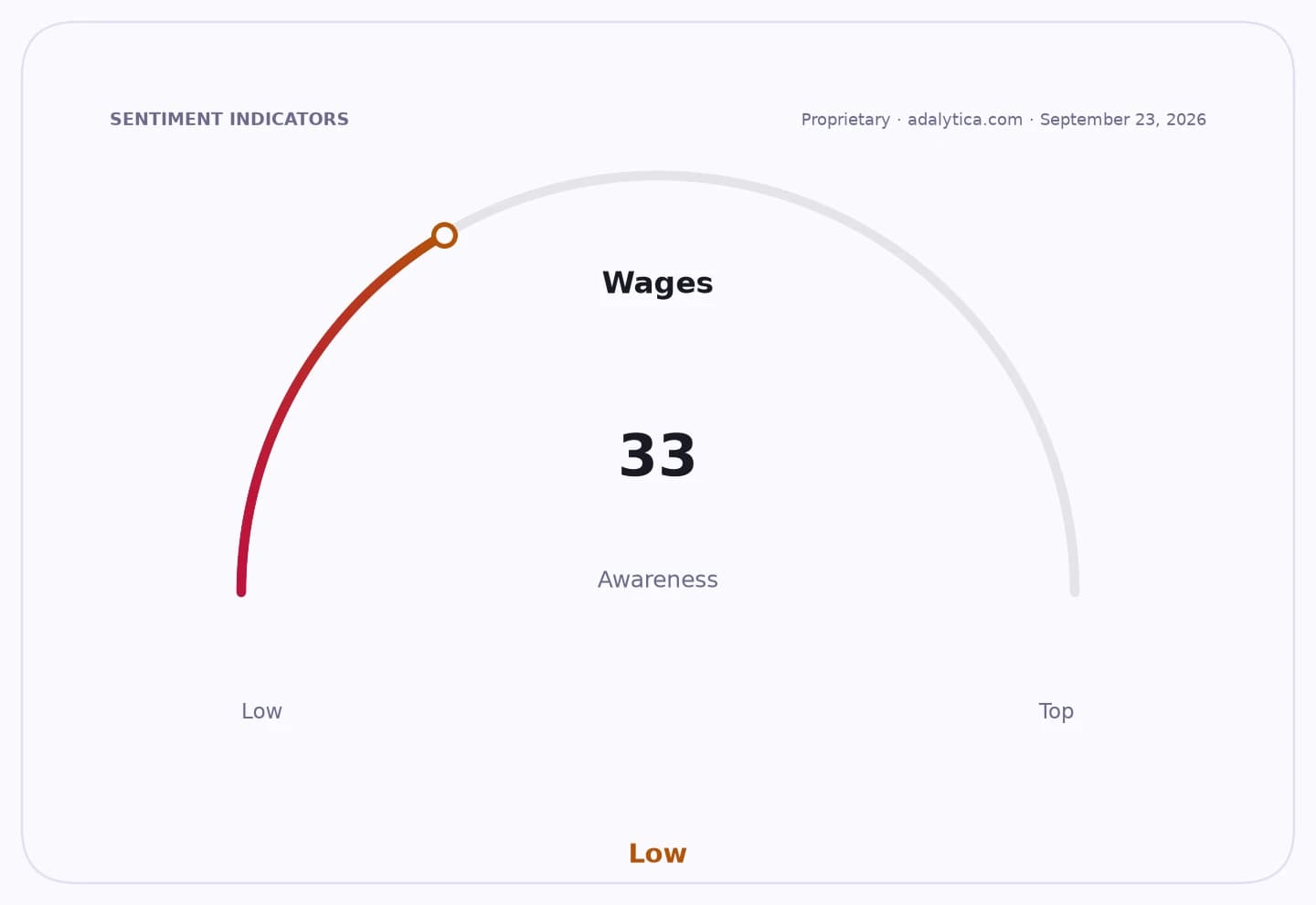
Sentiment IndicatorsⓘProprietary · adalytica.com · September 21, 2026
This is a snapshot — live sentiment, awareness and momentum for 130+ markets update continuously in the dashboard.Open AlphaPulse
The gap matters because it shows inflation remains uneven across Russia, complicating the Bank of Russia’s effort to bring price growth back to its 4% target. A softer monthly reading does not yet mean underlying pressures have disappeared. The central bank said seasonally adjusted prices in Tatarstan rose much less in August than in July, helped in part by a partial recovery in petroleum-product deliveries. That points to some relief in one of the most visible sources of recent inflation, but not enough to erase the broader trend.
Nationally, annual inflation also picked up in August to 6.33% from 5.98% in July, even as seasonally adjusted monthly price growth slowed. The central bank said motor fuel inflation moderated sharply, but earlier fuel increases continued to pass through to many goods and services. That kind of lagged transmission is important for investors and policymakers because it can keep headline inflation sticky even after the initial shock fades.
For the region, a higher-than-average inflation rate also has implications for real incomes and consumer demand. Households in Tatarstan are still facing faster annual price growth than the country overall, which can weigh on spending power and put pressure on local businesses that depend on discretionary demand. At the same time, the fact that services are rising faster than goods suggests domestic demand remains a source of price pressure, not just supply shocks.
The backdrop is also notable because Tatarstan has recently been among Russia’s top three regions for investment in fixed capital, suggesting stronger economic activity than in many parts of the country. That can support growth, but it can also keep demand-related inflation firmer than the national average if supply does not keep pace.
For investors, the key takeaway is that Russia’s disinflation path remains uneven and vulnerable to sector-specific bottlenecks, especially fuel and logistics. That supports the case for the central bank to stay cautious on easing, even if some monthly indicators improve. The next test will be whether the August respite in petroleum supply translates into broader and more durable price stabilization in the months ahead.
| Entity | Gains | Losses |
|---|---|---|
| Tatarstan consumers | ▲Cheaper food and services in August | ▼Higher annual inflation than Russia |
| Russian central bank | ▲Signs of slower monthly price growth | ▼Persistent inflation above target |
| Fuel suppliers/logistics | ▲Recovery in petroleum deliveries | ▼Earlier shortages and price spikes |
| Local businesses | ▲Some input-cost relief | ▼Softer real household demand |