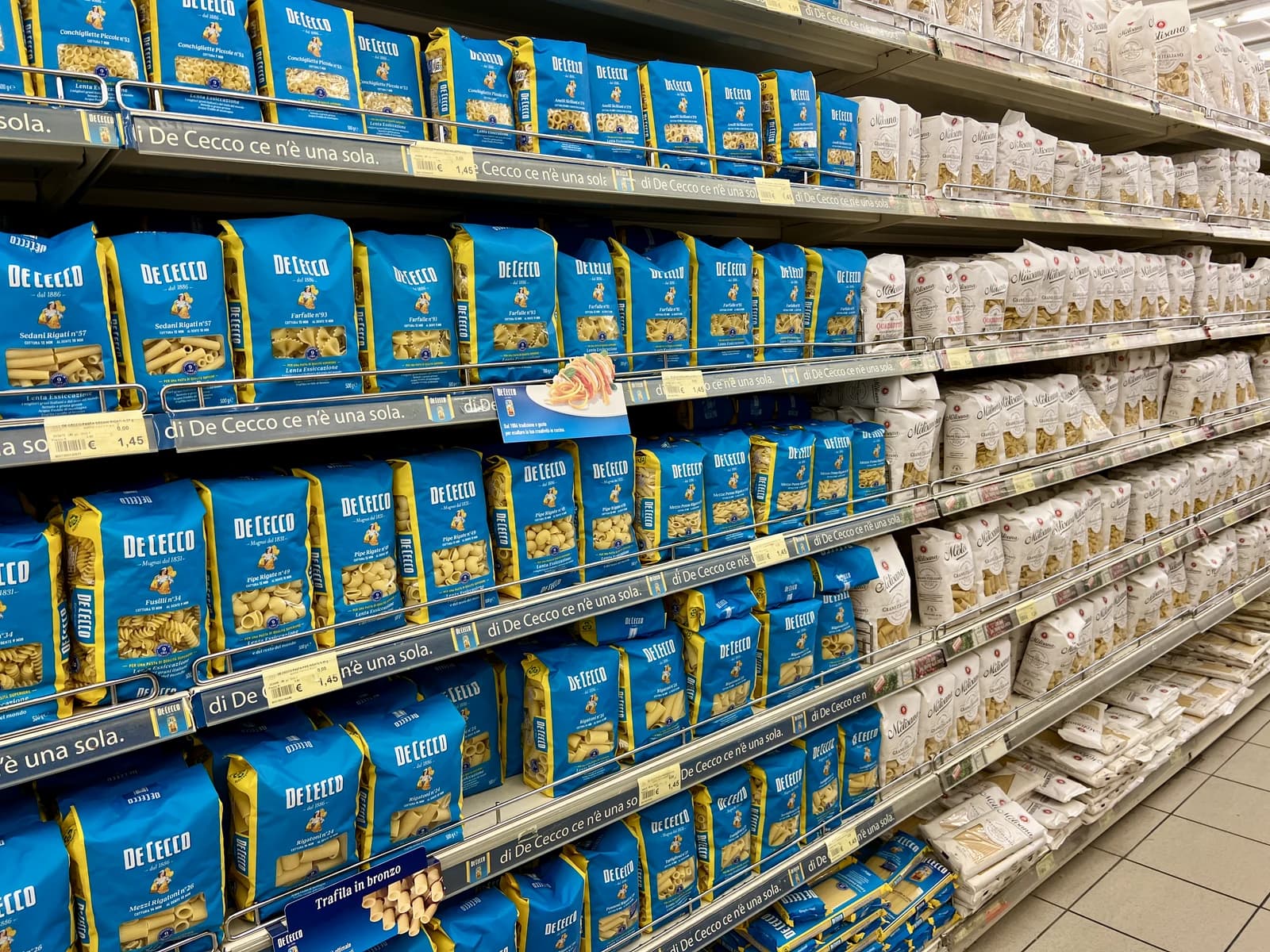
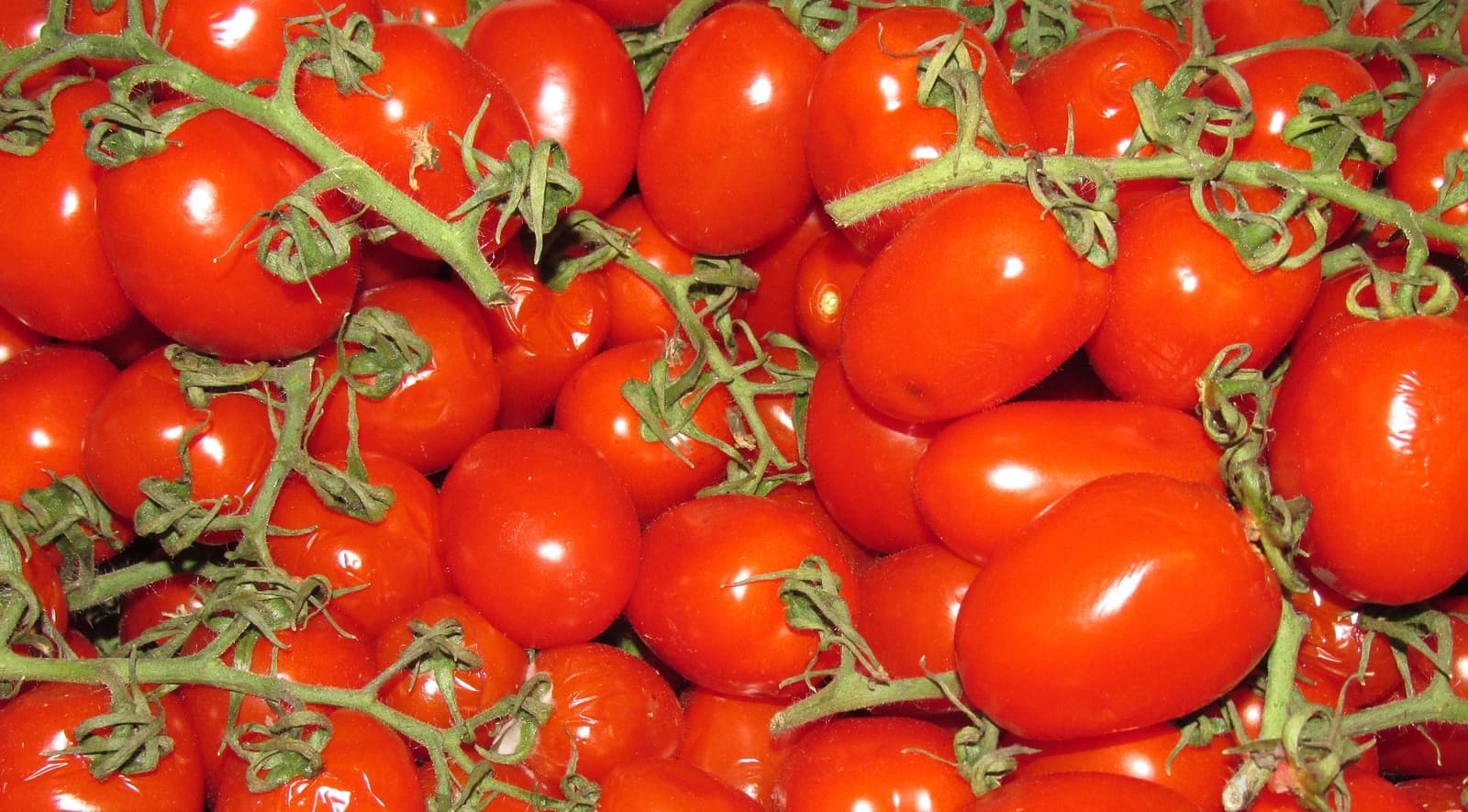
Tomatoes in Italy have become a symbol of how climate shocks and higher input costs are still working their way through the food chain, with wholesale prices for the prized “datterino” reaching 5.80 euros a kilo and “ox heart” tomatoes starting at 4.50 euros.
Italy Tomato Prices Rise on Heat and Higher Costs
That matters because when a staple like tomatoes jumps this sharply, the pressure is felt far beyond the farm gate. Consumers pay more at the supermarket, restaurants face tighter margins, and food inflation becomes harder for policymakers to dismiss as a temporary blip. For investors, it is another reminder that climate risk, energy costs and agricultural supply chains can feed directly into inflation, earnings and spending patterns.
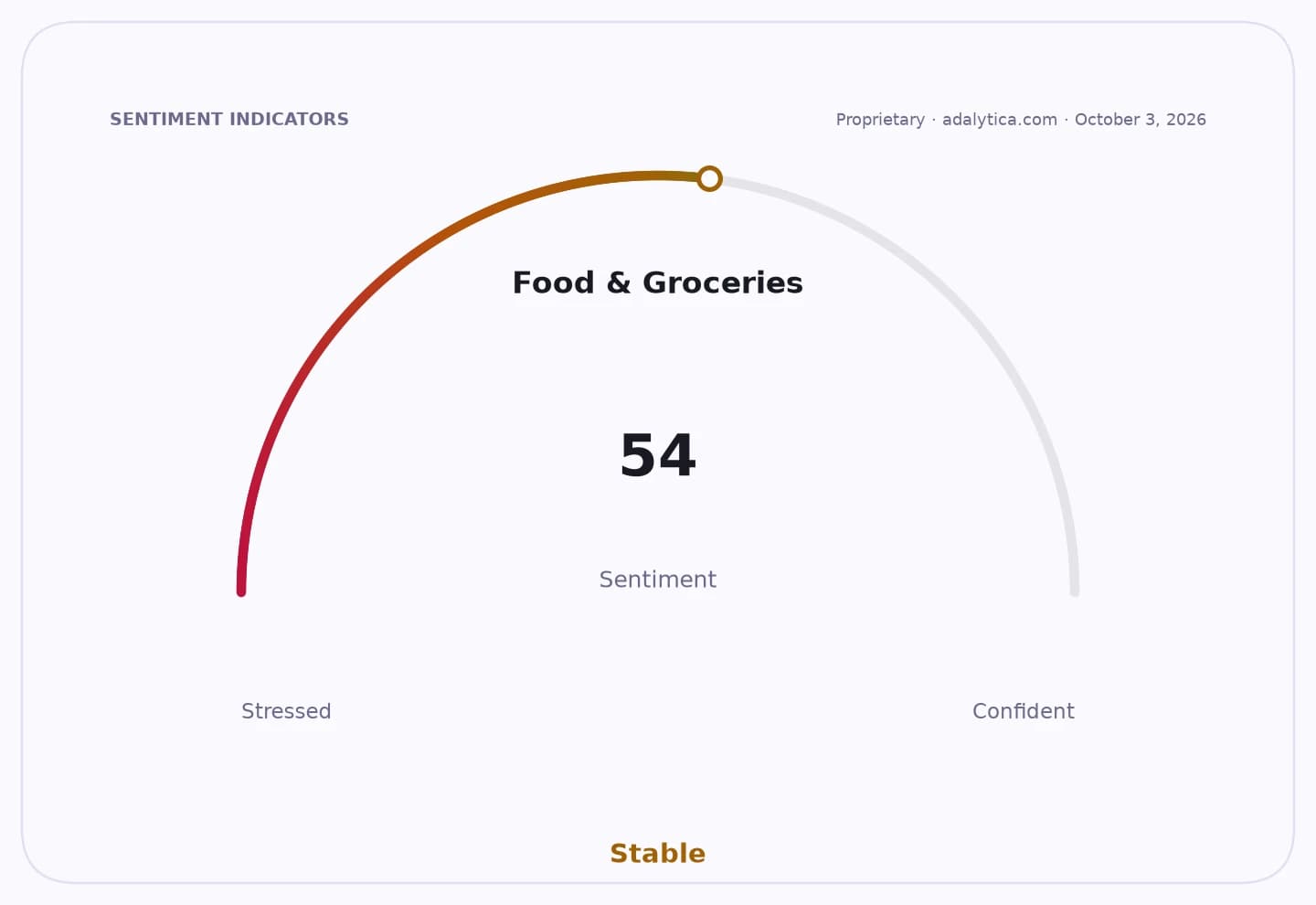
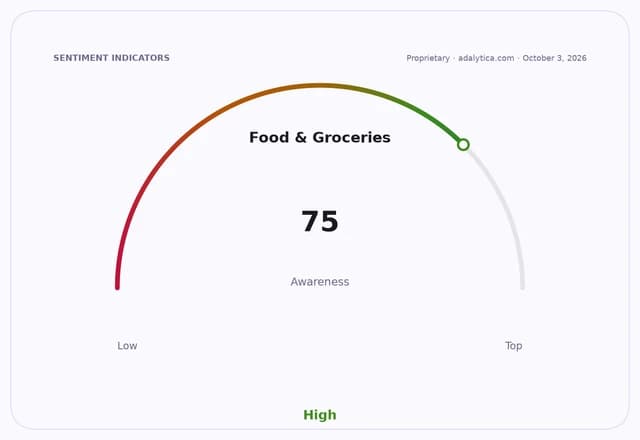
Sentiment IndicatorsⓘProprietary · adalytica.com · October 3, 2026
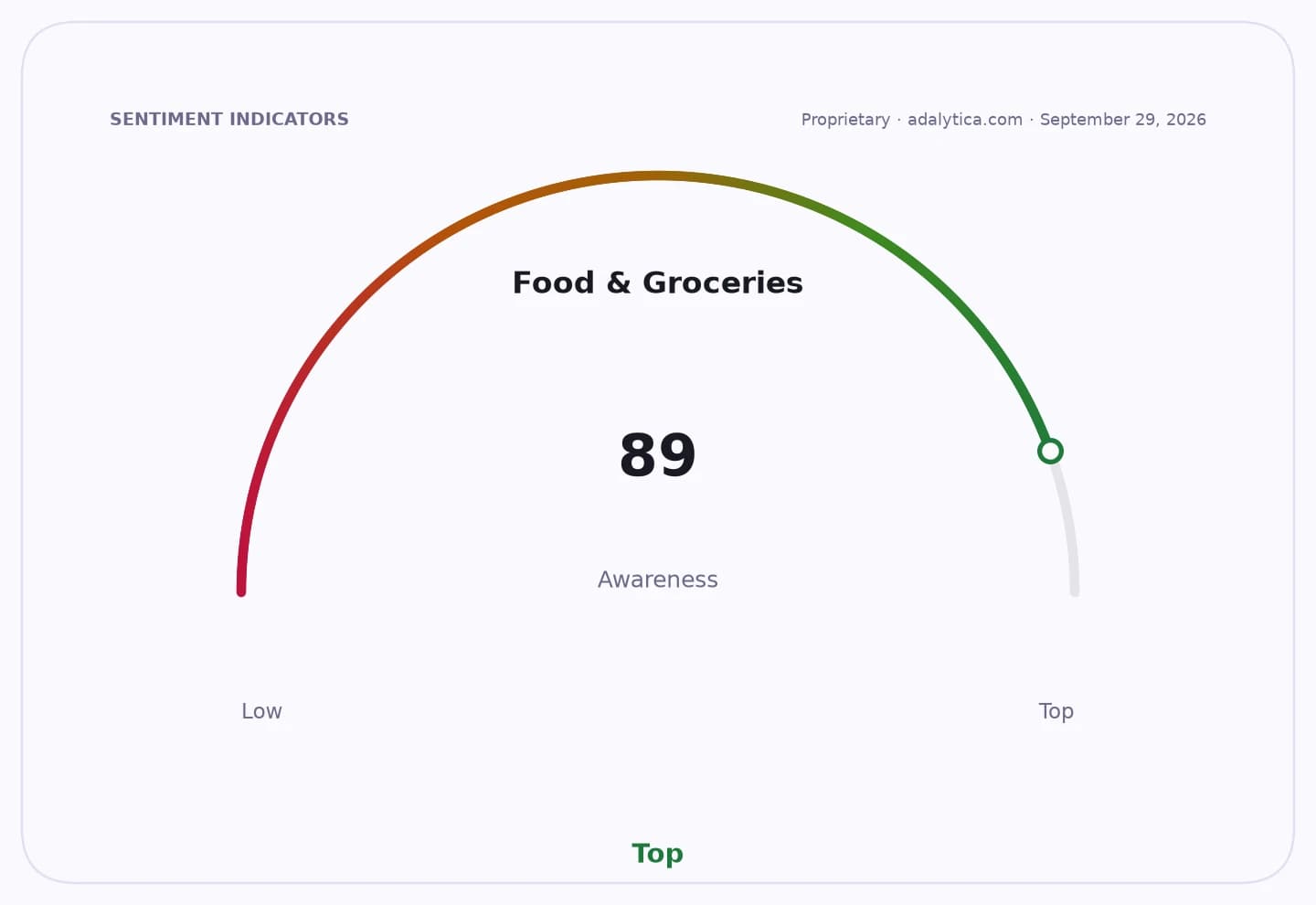
This is a snapshot — live sentiment, awareness and momentum for 130+ markets update continuously in the dashboard.Open AlphaPulse
Fabio Massimo Pallottini, president of Italmercati, said the price of tomato products from Sicily — a key source for autumn and winter supply — has roughly doubled from a few months ago. His warning is not just about tomatoes. Leafy vegetables such as endive and escarole are also nearing 3.80 euros a kilo, while coffee prices for consumers have risen 44% since 2021, according to Altroconsumo.
The economics are straightforward, if uncomfortable. An extreme summer, especially the heat of July and August, damaged crops and reduced the share of produce that could be sold. At the same time, growers have faced higher fuel and fertilizer bills, pushing up production costs just as supply tightened. When domestic output falls short, buyers turn to imports — in this case from Spain, Albania and Turkey — but imported produce does not always come cheap enough to fully offset the shortage.

The broader backdrop is not just Italy. Global food prices have climbed to near four-year highs, and the Food and Agriculture Organization has warned that climate change, geopolitical tensions and energy costs are keeping food markets under strain. That is why this tomato story matters to long-term investors: it is part of a wider inflation narrative that can lift revenues for some packaged-food and grocery companies, but squeeze margins for restaurants, retailers and consumers.
For households, the message is simple: food remains one of the clearest places where inflation is still visible day to day. For investors, the better question is which businesses can pass on costs without losing demand. Companies with pricing power, efficient supply chains and strong brands tend to navigate these cycles best. Those that depend on low-margin fresh food or discretionary spending can feel the pinch quickly.
The takeaway for investors is to treat this as a reminder that inflation has not vanished — it has merely shifted into the parts of the economy people notice at the checkout. That makes food producers, grocers and consumer brands worth watching, especially over a multi-year horizon.
| Entity | Gains | Losses |
|---|---|---|
| Tomato growers with scarce supply | ▲Higher wholesale prices | ▼Crop volumes and quality |
| Importers and foreign suppliers | ▲More demand for imports | ▼Domestic Italian growers |
| Grocery stores and restaurants with weak pricing power | ▲Higher sticker sales | ▼Margins and customer affordability |
| Consumers and food-service buyers | ▲None | ▼Everyday food budgets |