Pasta is still cheap enough to anchor Italian shopping carts, but not cheap enough to reflect the collapse in durum wheat prices — and that gap is now where the economics of the category are being decided.
Italy Pasta Prices Stay High as Wheat Falls
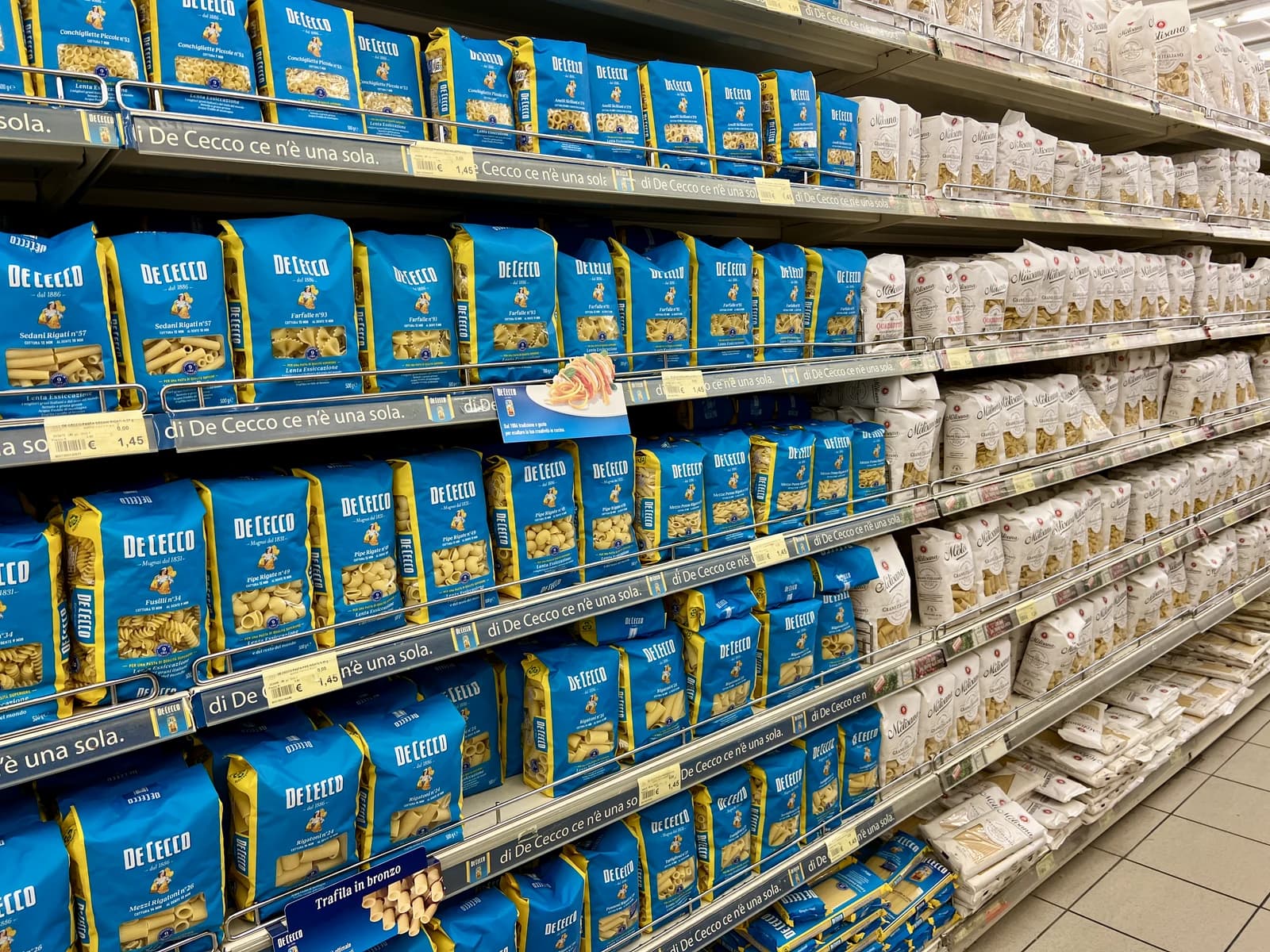
That matters because the consumer side of the story is no longer being driven by the grain itself. Italy’s consumer price index accelerated to 3.3% in August from 2.9% in July, led by energy, while food inflation stayed comparatively tame at 1.1%. Yet households are still paying materially more for a staple that has little to do with the underlying farmgate market. The result is a classic case of stickier retail pricing, with the burden shifting from commodities to logistics, packaging, power and distribution margins.
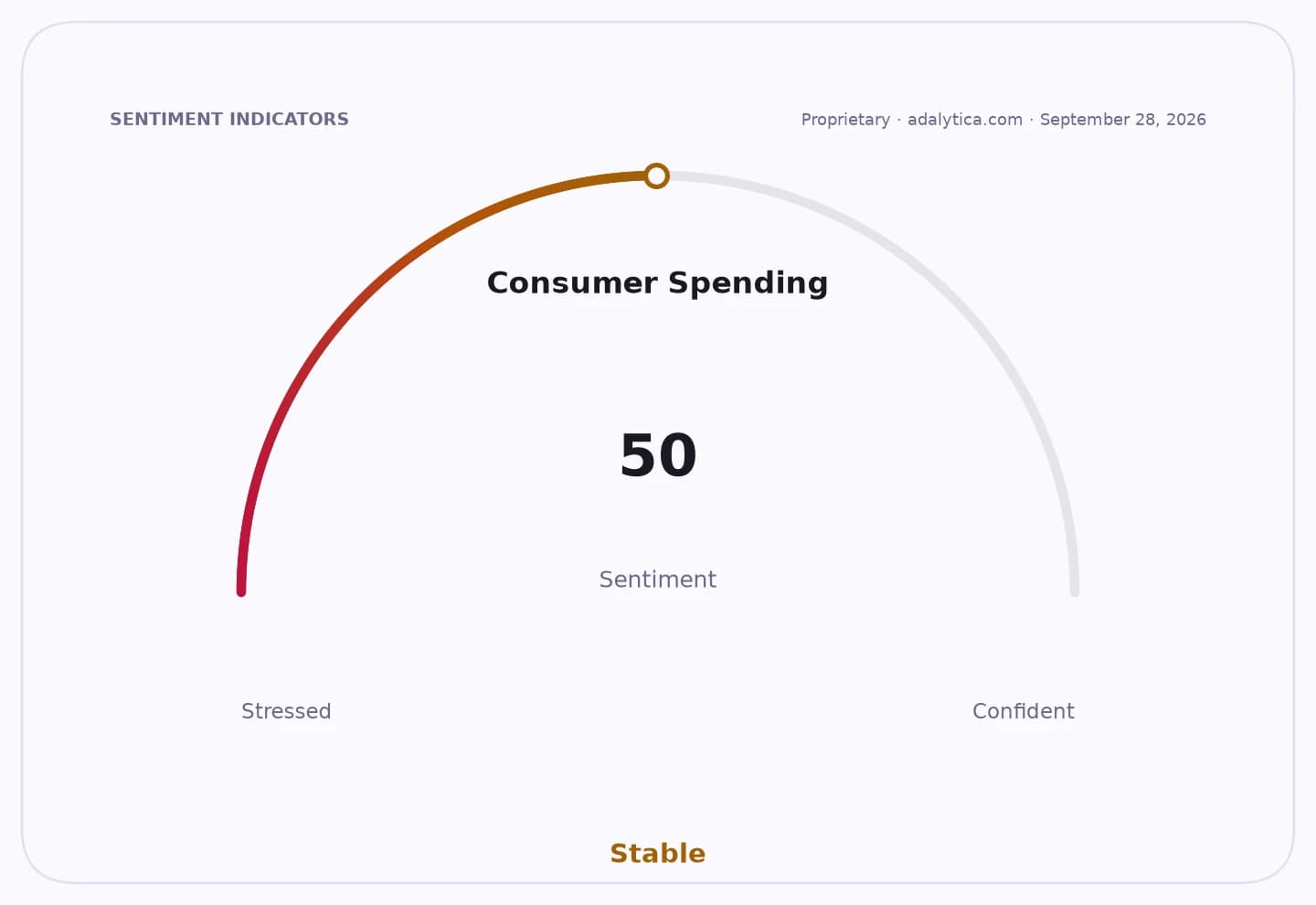
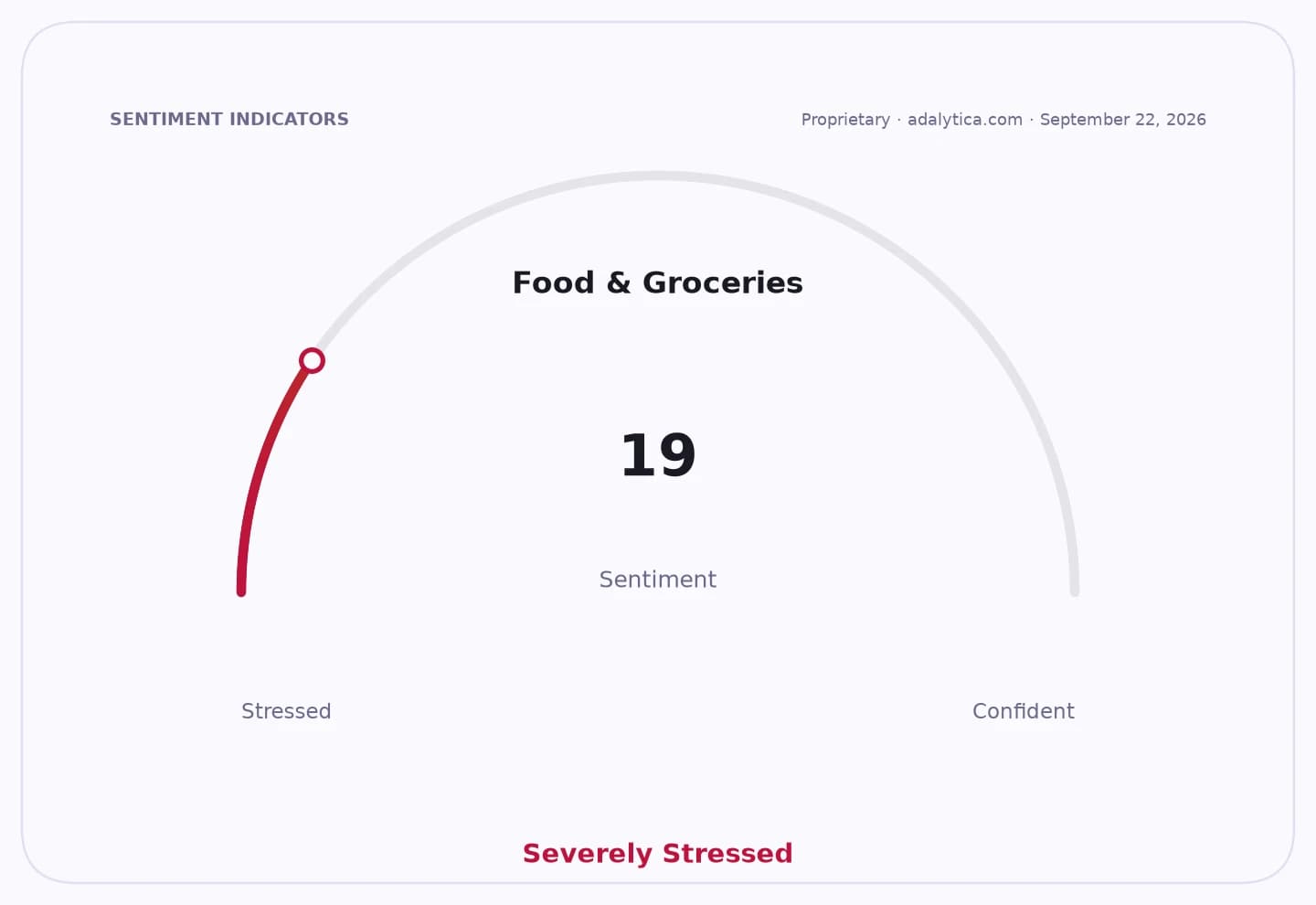
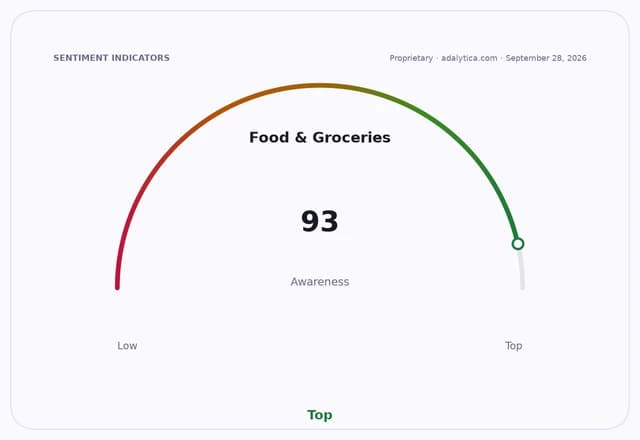
Sentiment IndicatorsⓘProprietary · adalytica.com · September 28, 2026
This is a snapshot — live sentiment, awareness and momentum for 130+ markets update continuously in the dashboard.Open AlphaPulse
For producers, the imbalance is even sharper. Ismea says the cost of producing durum wheat is about 300 euros a tonne, rising to 300-320 euros in parts of central and southern Italy, while recent quotations have remained below that threshold for most of the summer. Even after a modest rebound from 265 euros at the start of July to 284.50 euros a tonne, the crop is still worth less than the cost of growing it. That is a structural squeeze on farmers and a reminder that lower raw-material prices do not automatically translate into cheaper shelf prices.
For investors, the issue is whether the current stability in food inflation can persist. Pasta is a useful test case because it shows how pricing power is distributed along the chain. The grain itself contributes only a few cents to a half-kilo pack; the rest is absorbed by energy for drying, packaging, transport, labor and retailer markups. That makes the category vulnerable to any fresh jump in electricity and gas. The article’s warning is important: if energy costs keep rising, mills and pasta makers may have room to lift prices even if wheat remains weak.
The regional split also matters. Recent checks showed a kilo of pasta ranging from 1.33 euros in Palermo to 2.15 euros in Pescara, a spread of roughly 60%. That is not a commodity market move so much as a retail structure story — one that reflects logistics, local competition and the density of discount chains. Southern Italy, where pasta production is concentrated and discount penetration is higher, tends to pay less. That leaves consumers in higher-priced cities more exposed, while online channels increasingly flatten geography and offer the same product at lower unit costs.
The investment angle is broader than pasta. Companies with pricing authority and efficient sourcing can preserve margins even when farm prices weaken. Discount retailers and private-label suppliers can also gain share as consumers trade down. By contrast, branded pasta makers and grocery chains face a tougher balancing act: they need to defend shelf prices without triggering a larger shift to cheaper labels or online bulk buying.
For now, the biggest message is that the pasta shelf is not following wheat lower. The disconnect suggests the next move in food prices will depend less on the grain market than on energy and distribution costs — and on how much consumers are still willing to pay for a staple that has become a barometer of household stress.
| Entity | Gains | Losses |
|---|---|---|
| Discount retailers | ▲Trade-down demand | ▼Branded rivals |
| Private-label pasta | ▲Share gains | ▼Premium shelf brands |
| Italian households | ▲Online bargains | ▼High-price city shoppers |
| Pasta makers | ▲Stable shelf pricing | ▼Farmers and growers |