Wholesale food prices in Bulgaria are sending a clear inflation warning, with green salad jumping 47.15% in a week, even as some staples such as sunflower oil and flour got cheaper.
Bulgaria Wholesale Food Prices Rise on Vegetables
That matters because food is one of the fastest ways rising costs reach households, especially in smaller European economies where grocery bills take a bigger share of income. A mixed wholesale picture can still translate into pressure on consumer budgets if gains in fresh produce outweigh declines in cooking oil, grains and other basics.
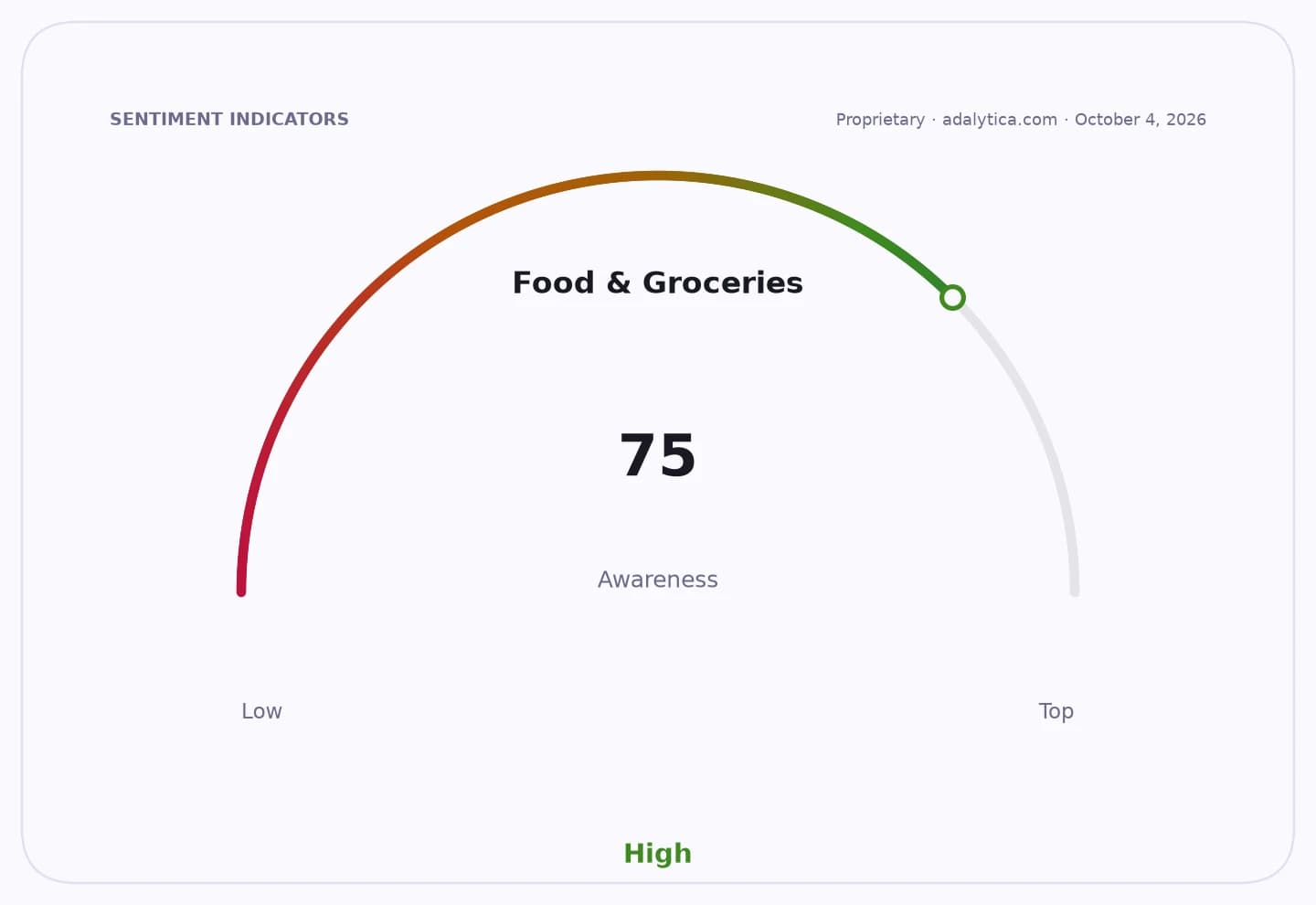
Sentiment IndicatorsⓘProprietary · adalytica.com · October 4, 2026
This is a snapshot — live sentiment, awareness and momentum for 130+ markets update continuously in the dashboard.Open AlphaPulse
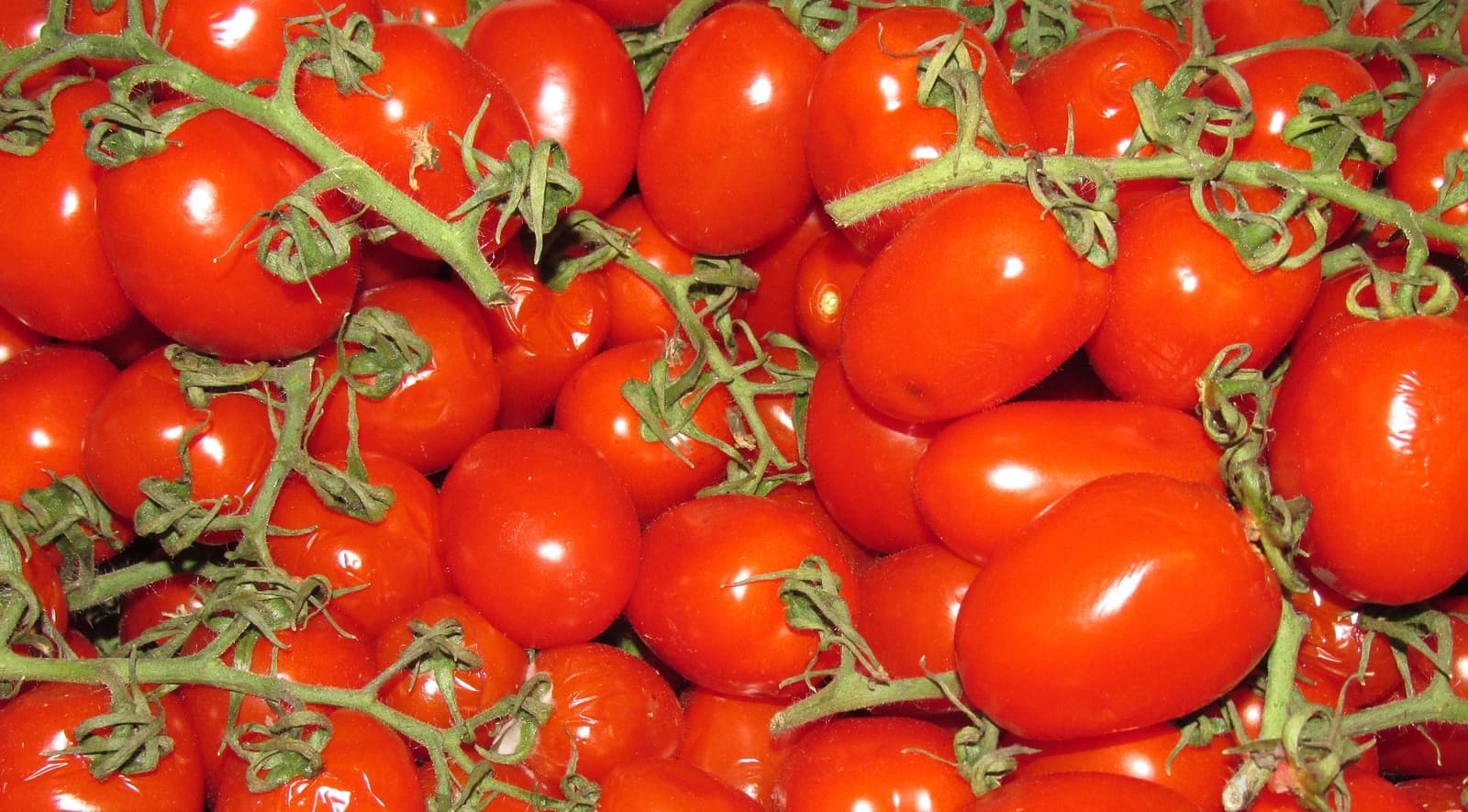
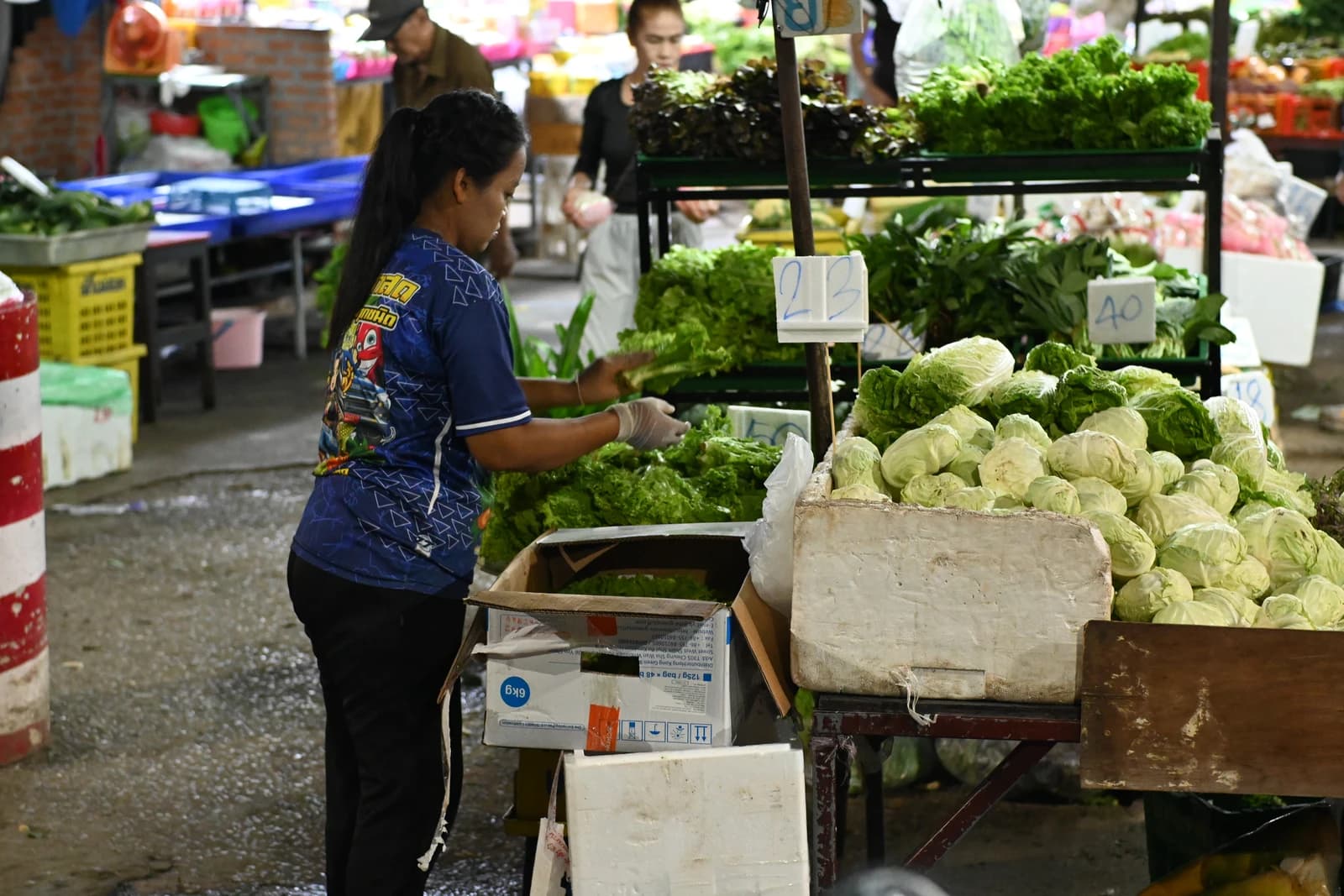
Bulgaria’s State Commission on Commodity Exchanges and Markets said its wholesale price index rose 0.52% to 2.324 points from 2.312 a week earlier, pointing to a fresh uptick in food costs overall. The biggest move was in green salad, which climbed to 0.98 euros a kilogram. Tomatoes rose 16.99% to 1.68 euros, while red peppers gained 6.16% and cabbage 4.01%.
The price surge in vegetables sits alongside a more uneven set of moves across the food basket. Carrots fell 10.29%, potatoes dropped 8.95% and zucchini slid 6.32%. Among fruits, peaches and apples became more expensive, while lemons and grapes declined. Dairy was similarly mixed, with cow’s cheese and “Vitosha” yellow cheese higher, but yogurt and butter lower.
For investors, the key point is that food inflation remains sticky even when some commodity-linked categories ease. That keeps pressure on retailers, food processors and consumer-facing companies to manage margins carefully, and it supports the case for companies with strong pricing power, efficient sourcing and scale. It also reinforces why packaged food, grocery and discount retail remain defensive corners of the market when fresh-food prices are volatile.
The broader backdrop is not comforting. Global food prices have already climbed to a four-year high, and climate shocks, conflicts and supply disruptions continue to threaten agricultural markets. In that environment, Bulgaria’s latest wholesale figures are less a one-off than another reminder that food inflation can reappear quickly and unevenly, making disciplined, long-term exposure to the sector more attractive than trying to time every swing.
For long-term investors, this is a watchlist story rather than a trade. Persistent food-price volatility can lift winners in retail and agriculture, but it also punishes weaker operators. Over the next few years, the advantage should continue to favor companies and funds that can ride inflation, protect margins and keep supply chains flexible.
| Entity | Gains | Losses |
|---|---|---|
| Bulgarian food producers | ▲Higher selling prices | ▼Cost-conscious shoppers |
| Grocery retailers with pricing power | ▲Better pass-through ability | ▼Margin-squeezed rivals |
| Fresh-produce buyers | ▲Lower prices on some staples | ▼Buyers of lettuce, tomatoes |
| Consumer baskets | ▲Cheaper oil and flour | ▼Overall household budgets |