Russia has raised the priority of rail shipments for export grain, a move aimed at keeping agricultural cargo moving as Black Sea routes remain constrained and trade flows shift toward northern ports.
Russia raises rail priority for grain exports
The change puts grain in the third category of rail dispatch priority, behind trains covered by federal law and cargo tied to emergency response. That effectively gives exporters a better chance of getting their grain to port in a year when logistics, not crop size, are increasingly determining how much Russia can sell abroad.
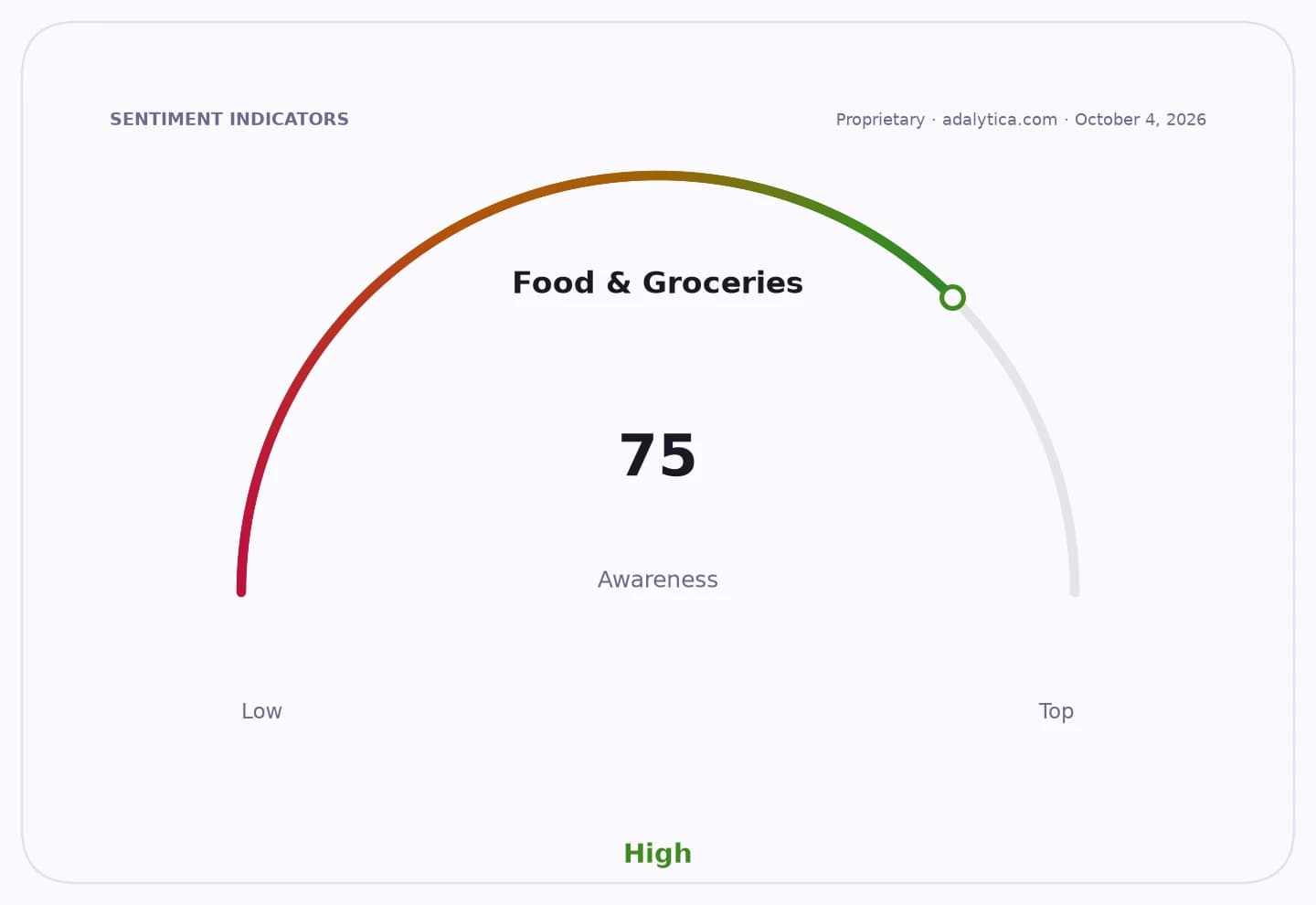
Sentiment IndicatorsⓘProprietary · adalytica.com · October 5, 2026
This is a snapshot — live sentiment, awareness and momentum for 130+ markets update continuously in the dashboard.Open AlphaPulse
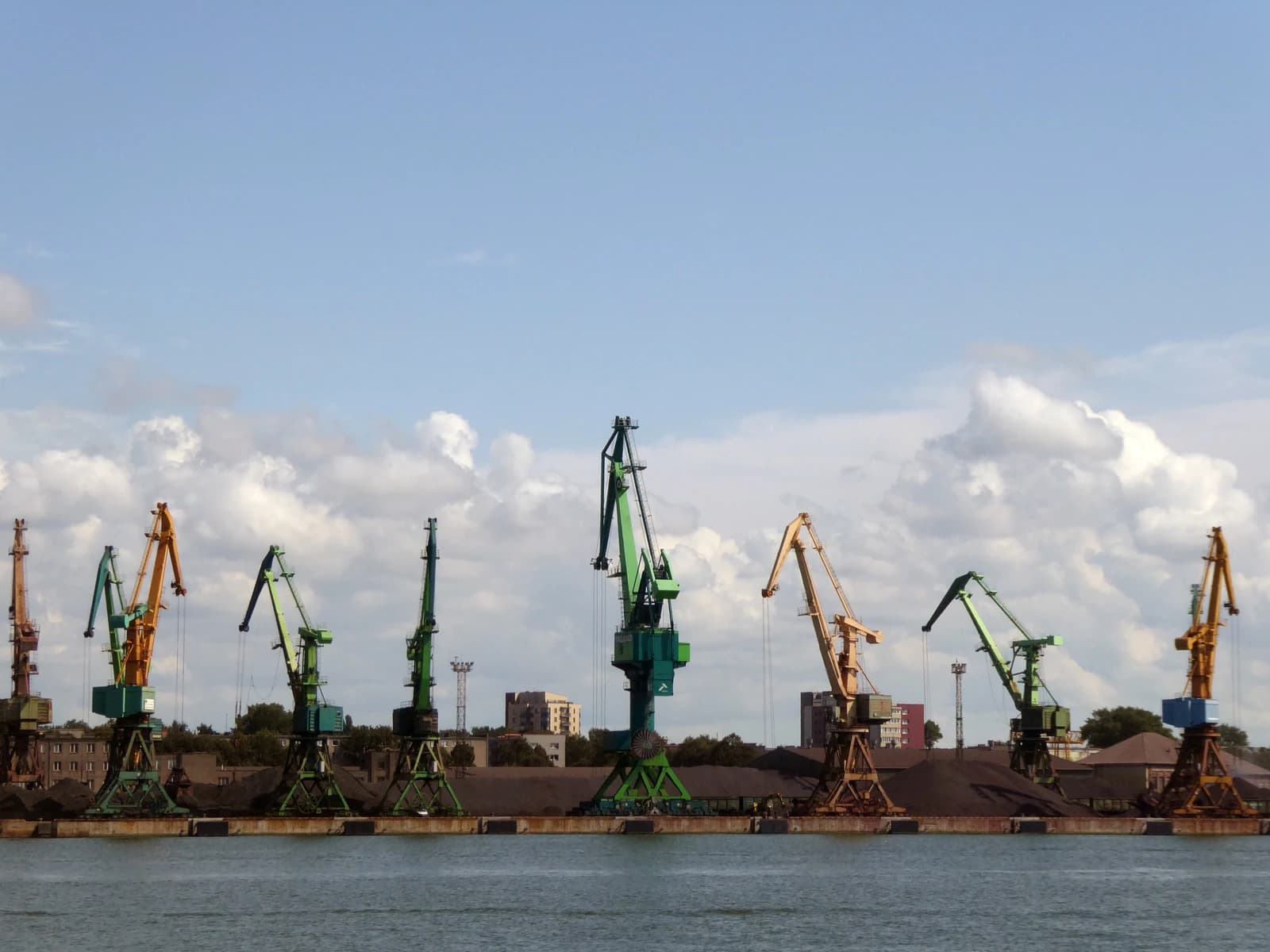
The timing matters for the grain market. Since Oct. 1, nondiscriminatory access rules have been in place on the northwest corridor, where average daily loading of agricultural products jumped 465% in the first three weeks of September from a year earlier. That surge has helped redirect volumes away from the Black Sea, but Baltic port infrastructure is already running above normal capacity, according to market experts quoted by Kommersant.
Storage remains a constraint. The northwest still lacks enough grain-handling and warehousing capacity compared with southern ports, even as new export routes expand. Rail and port bottlenecks raise the risk that Russia’s export push runs into a physical ceiling rather than a policy one.
Still, the northern route is becoming more important. In 2025, all northwest ports except Kaliningrad handled 1.74 million tons of grain, far below Novorossiysk’s 18.8 million tons, but capacity in the region has already been lifted by RZD to 22.5 million tons a year from 8.6 million. Novotrans’ terminal in Ust-Luga and Port Vysotsky are increasing handling, while Murmansk is preparing to start grain shipments.
The policy also comes with financial support. Russia has directed about ₽10 billion to subsidize transport from key grain-producing regions, suspended grain export duties through year-end and capped export levies on vegetable oil and meal at August levels. The package is designed to protect farm income and preserve export competitiveness while the Black Sea remains volatile.
For investors, the implications are mixed. Grain-handling infrastructure operators, rail freight providers and exporters with access to northwest ports stand to benefit, while port congestion, storage shortages and higher logistics costs could squeeze margins. Global wheat markets also remain sensitive to any further rerouting of Russian cargo, with disruption in the Black Sea already supporting prices and complicating supply for importers in North Africa and Asia.
The next test is execution: whether rail priority, subsidies and new northern capacity can actually move enough grain before bottlenecks at Baltic terminals erase the gains.
| Entity | Gains | Losses |
|---|---|---|
| Russian grain exporters | ▲Better rail access | ▼Higher logistics bottlenecks |
| Northwest ports and terminals | ▲More cargo volumes | ▼Congestion pressure |
| Black Sea ports | ▲None | ▼Lost grain traffic |
| Global wheat buyers | ▲More route diversification | ▼Higher price volatility |