Russia is preparing a costly year-end surge in natural gas export prices that could lift western-bound gas above $700 per 1,000 cubic meters in late 2026, a sharp increase that would widen budget revenues but also underline how dependent Moscow remains on volatile energy markets.
Russia gas export prices rise in 2026 budget

The most important number in the new budget materials is 701.9 dollars per 1,000 cubic meters for Russian gas sold to distant foreign buyers, excluding China, from August to December 2026. That would push the full-year average to 562 dollars, up from an expected 406.5 dollars in 2025, giving the Kremlin a short-term windfall even as the longer-term forecast points to cooling prices into 2027-2029.
For investors, that matters because Russia’s gas trade is no longer just a pipeline story. The government is explicitly betting on liquefied natural gas as the growth engine, with LNG production and shipments projected to more than double from 30.3 million tons in 2025 to 64.5 million tons in 2029. That shift changes the investment map: the value chain increasingly runs through shipping, terminals, storage, compression equipment and the infrastructure needed to move molecules by sea rather than through fixed pipelines.
The message from Moscow is also about resilience under sanctions and geopolitics. Pipeline exports are expected to stay volatile, with volumes forecast to climb to 120.5 billion cubic meters by 2027 before easing and then recovering to 119.5 billion cubic meters by the end of the decade. China remains the anchor buyer at lower contracted prices, pulling the blended average for all distant markets down to 402.9 dollars in 2026 and 272.5 dollars by 2029 in the base case. In other words, the headline price spike is real, but it is a late-cycle boost rather than a durable rerating.
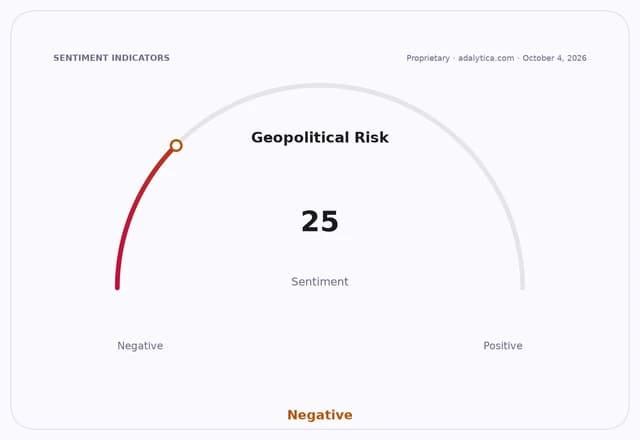
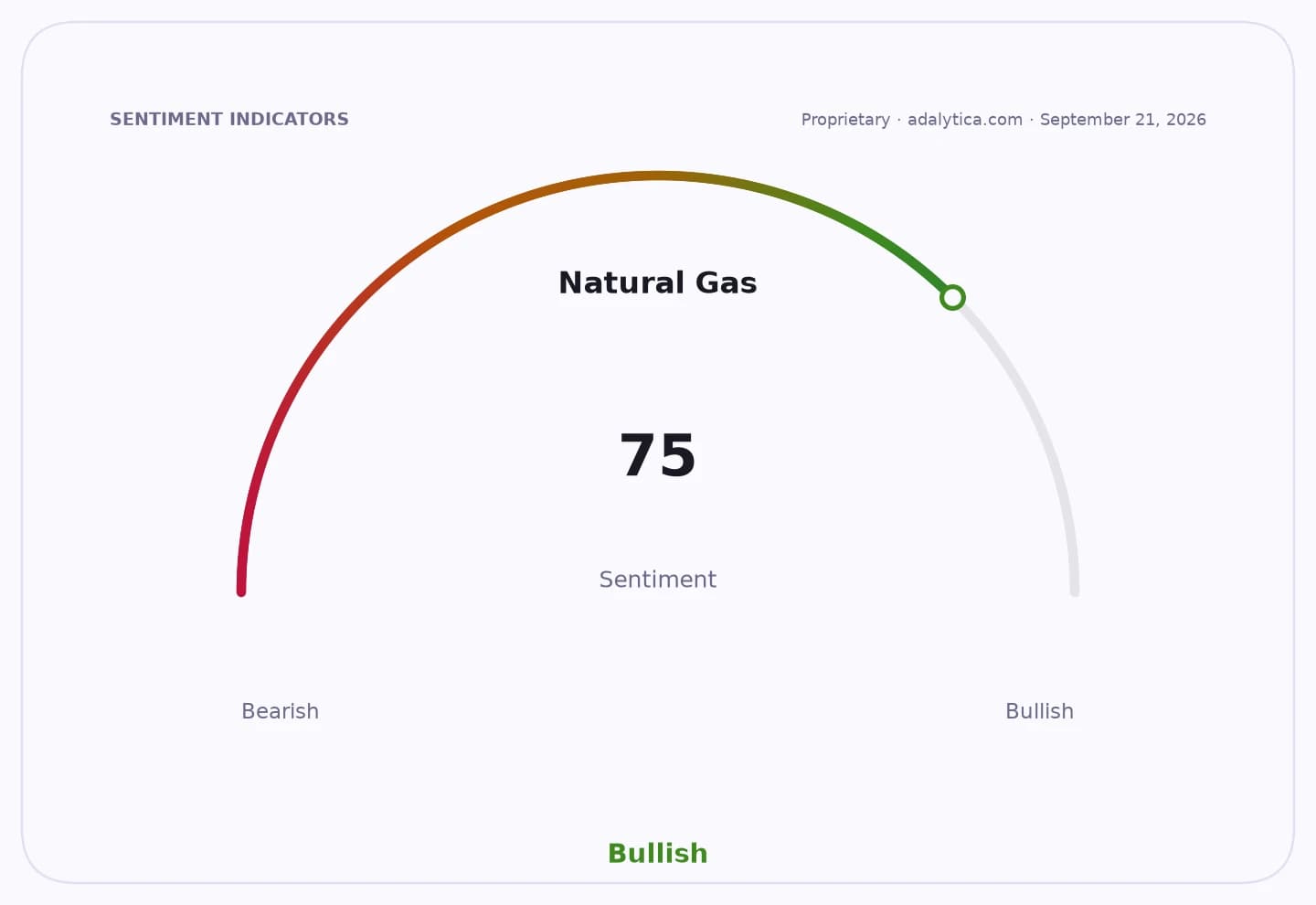
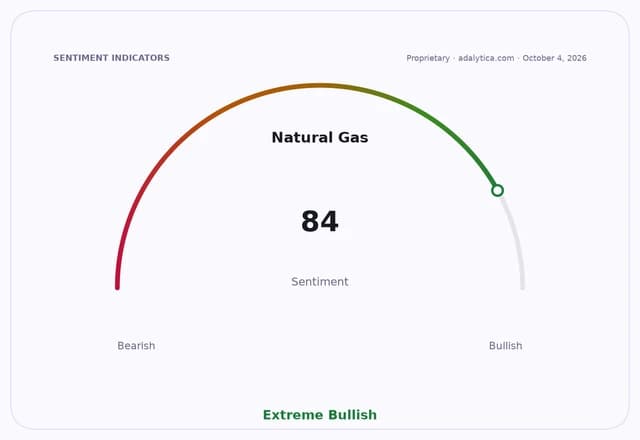
That is exactly why the market should look past the near-term revenue pop and toward the secondary beneficiaries. The commodity itself can stay bid on geopolitics and supply tightness, as reflected in the broader natural gas complex, while the equity opportunity sits with the operators and service providers that gain from a buildout of LNG capacity and export logistics. Russia’s own policy mix suggests the state understands this: pipeline gas may remain important, but LNG is where the marginal growth is expected to come from.
The trade here is not to chase the one-year spike in Russian gas receipts. It is to position for the infrastructure supercycle that follows when exporters, importers and shipping markets all have to adapt to a more fragmented gas world. LNG-linked assets, gas transport names and the broader energy infrastructure complex stand to benefit if Moscow’s forecast proves directionally right. The bigger investment takeaway is clear: the last mile of Russia’s gas era is becoming more expensive, and the next phase belongs to LNG.
| Entity | Gains | Losses |
|---|---|---|
| Russian state budget | ▲Higher export revenue | ▼Lower pricing power later |
| LNG exporters | ▲More shipping demand | ▼Pipeline-only players |
| European buyers | ▲None | ▼Higher winter import costs |
| Gas infrastructure firms | ▲Capex tailwind | ▼Commodity producers exposed to volatility |