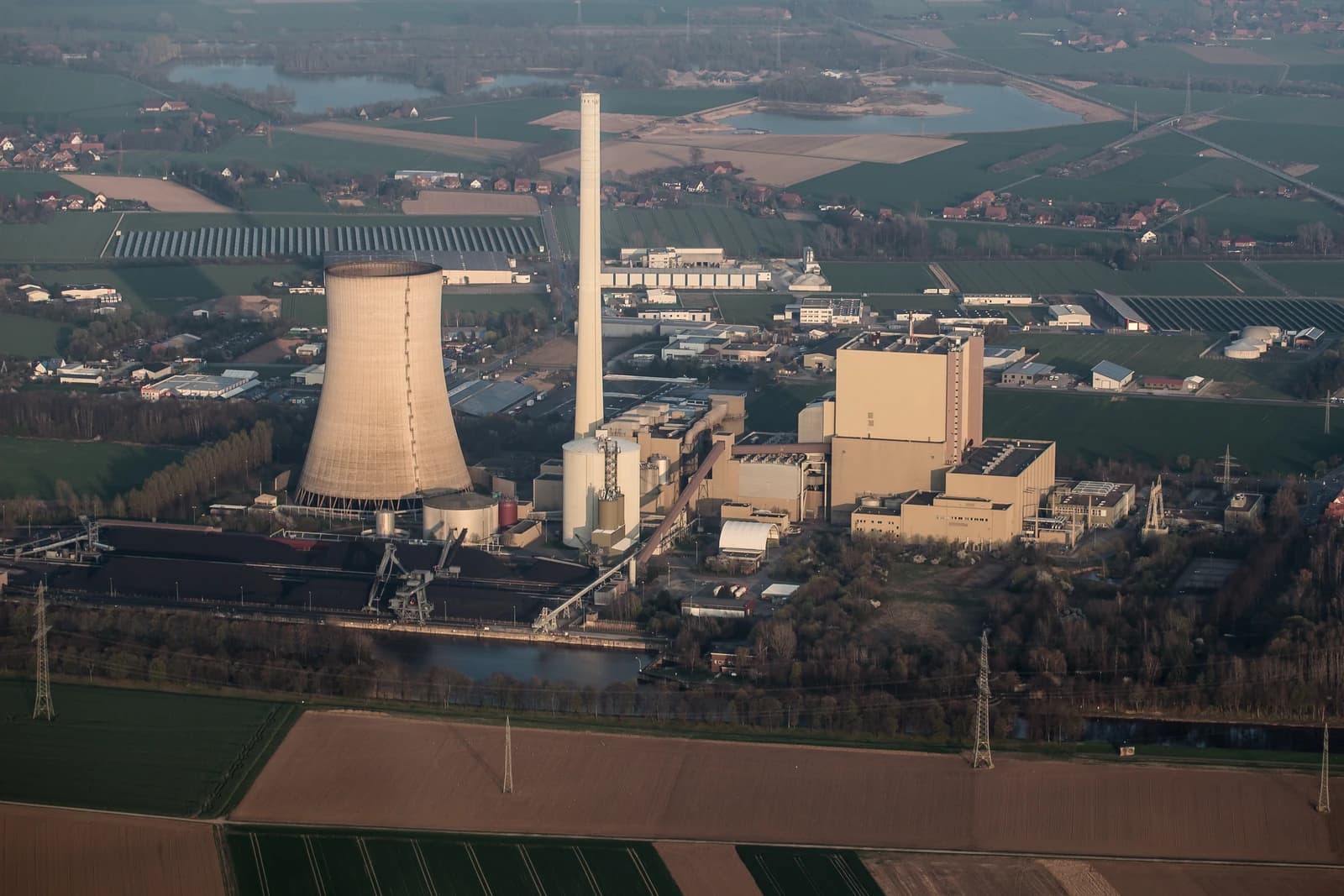
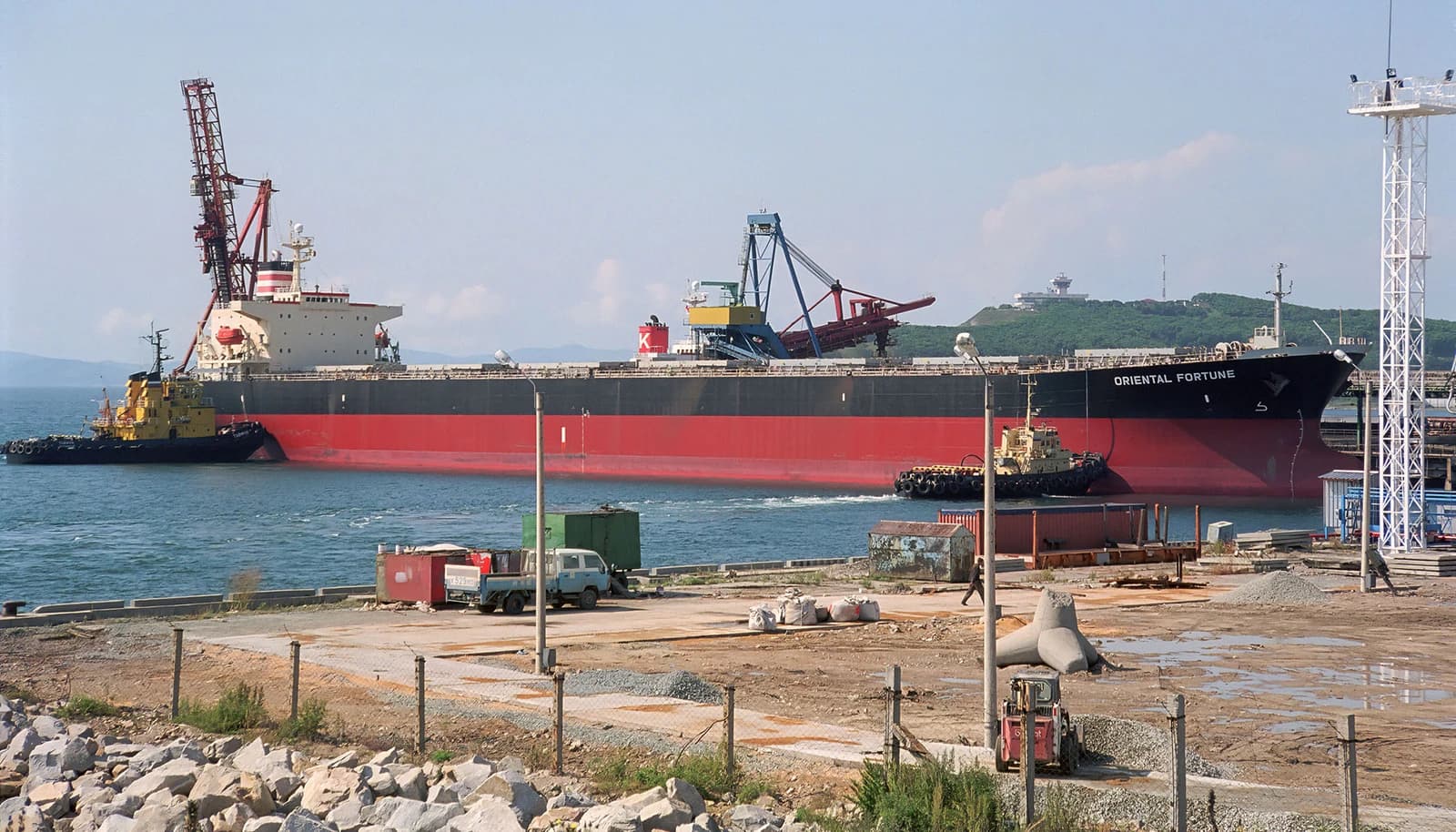
Russian coal producers are stuck in a prolonged downturn, with the industry reporting losses for a third year in a row as stagnant output, weaker export demand and structural shifts in global energy markets squeeze one of Russia’s most important resource sectors.
Russian Coal Producers Report Third Straight Year of Losses
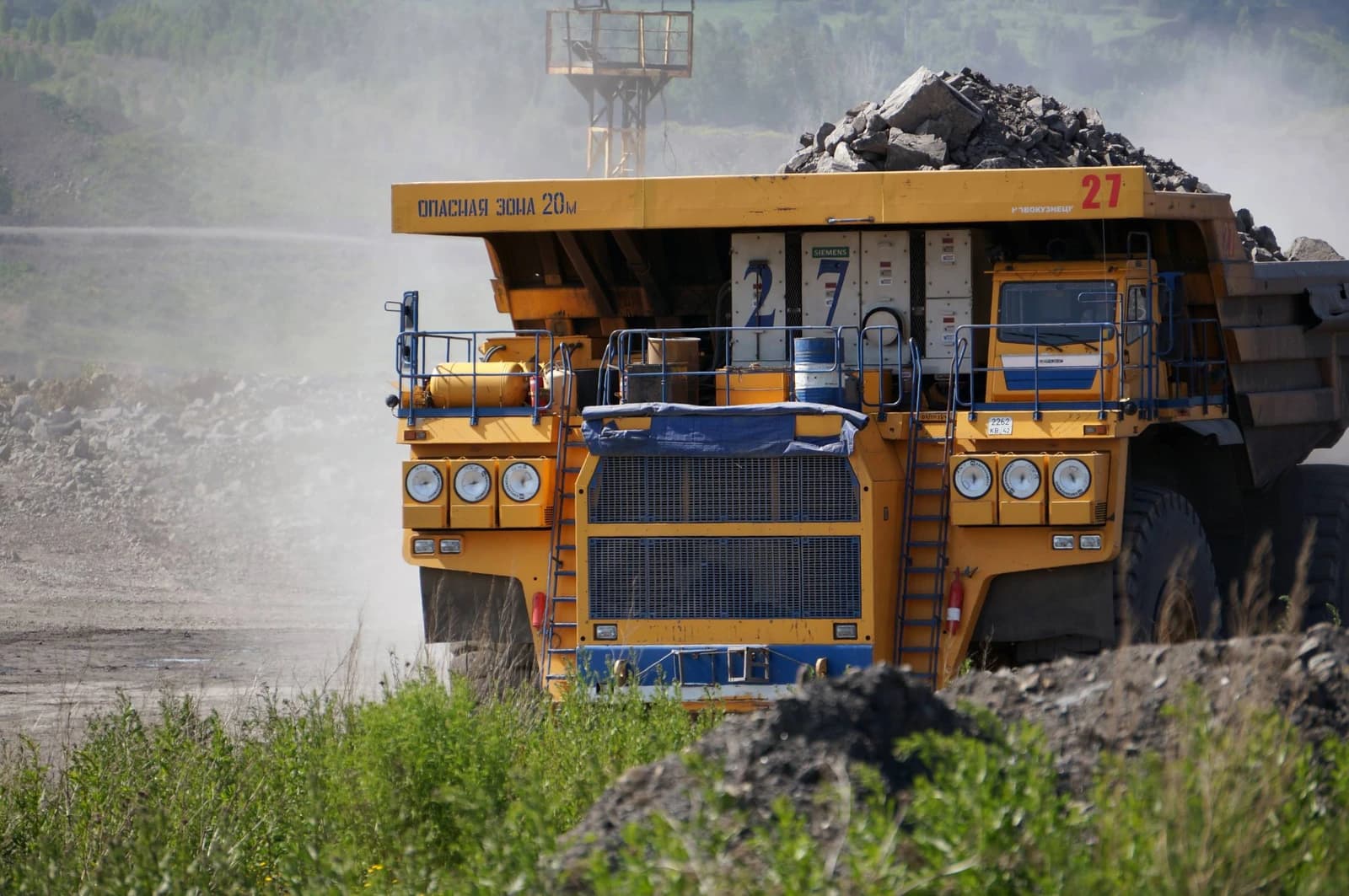
That matters because coal is still a major employer, tax base and export earner in Russia’s far east and Siberia, and the slump is now bleeding into regional finances and labor markets. According to Alexander Grigoryev, deputy chief executive of IPEM, coal production in Kuzbass fell 25% in 2025 from 2018 levels, consolidated regional budget revenues dropped 16% from 2022 and employment in 13 mono-industry municipalities declined 13%. Unemployment has been rising since late 2025.
Sentiment IndicatorsⓘProprietary · adalytica.com · September 29, 2026
This is a snapshot — live sentiment, awareness and momentum for 130+ markets update continuously in the dashboard.Open AlphaPulse
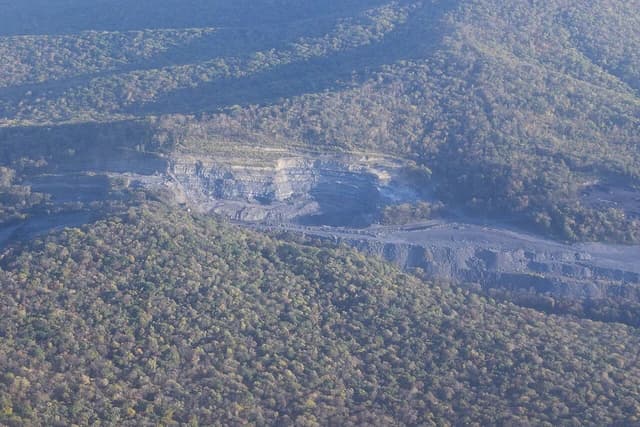
The trouble is not just cyclical. Grigoryev pointed to slower population growth, China’s approach to developed-market electricity consumption levels and the rise of renewables as forces capping long-term coal demand. He also flagged a wave of LNG capacity coming online in the U.S. and Qatar, which threatens Russia’s export position in seaborne energy markets.
For investors, the message is that coal is becoming a capital-intensive, lower-return business with fewer easy growth levers. That is especially true for Russian producers, who face not only softer global demand but also the burden of sanctions, logistics constraints and a domestic market that has not been able to absorb enough supply. Even where commodity prices bounce, structural demand erosion can still crush profitability.
The contrast with other parts of the energy complex is telling. Oil prices can still move sharply on supply shocks, and producers like Peabody Energy and other global coal names can benefit from short-lived rallies, but Russia’s coal sector is confronting a deeper problem: a market that is slowly shrinking around it. Grigoryev laid out three paths forward, none painless. Doing nothing risks a wider crisis in the mid-2030s. Closing mines early could strand infrastructure as dead capital. Expanding coal-fired power in Siberia and the Far East would support domestic demand, but only by reversing parts of the global energy transition.
For long-term investors, the broader lesson is clear: coal may still matter for energy security, but it is becoming a tougher place to compound capital. Producers with the lowest costs and the best balance sheets can still survive, yet the Russian industry’s third straight year of losses is another reminder that secular demand trends are more powerful than any temporary rally. Worth watching, but not a sector to own blindly.
| Entity | Gains | Losses |
|---|---|---|
| Russian coal consumers | ▲Potentially lower fuel costs | ▼None directly |
| Regional governments in Kuzbass | ▲None directly | ▼Lower tax revenue |
| Coal miners and municipalities | ▲None directly | ▼Jobs and wages |
| LNG exporters and renewables | ▲Market-share gains | ▼None directly |