Russia and China are moving closer to starting a new Far Eastern gas supply route, a step that would deepen their energy alignment and give Moscow a larger guaranteed outlet for gas as it loses access to Europe.
Russia China Far East Gas Route Near Launch
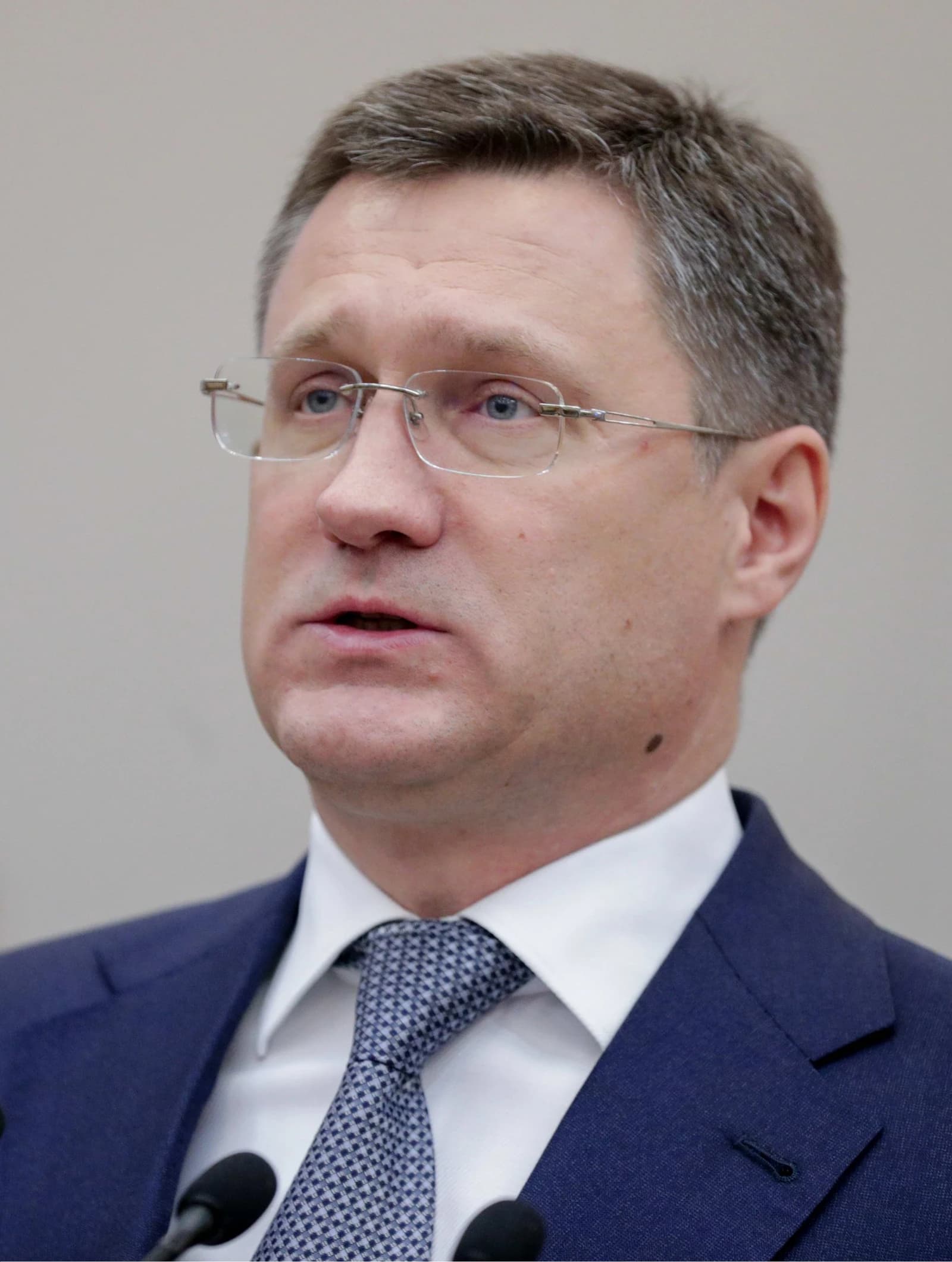
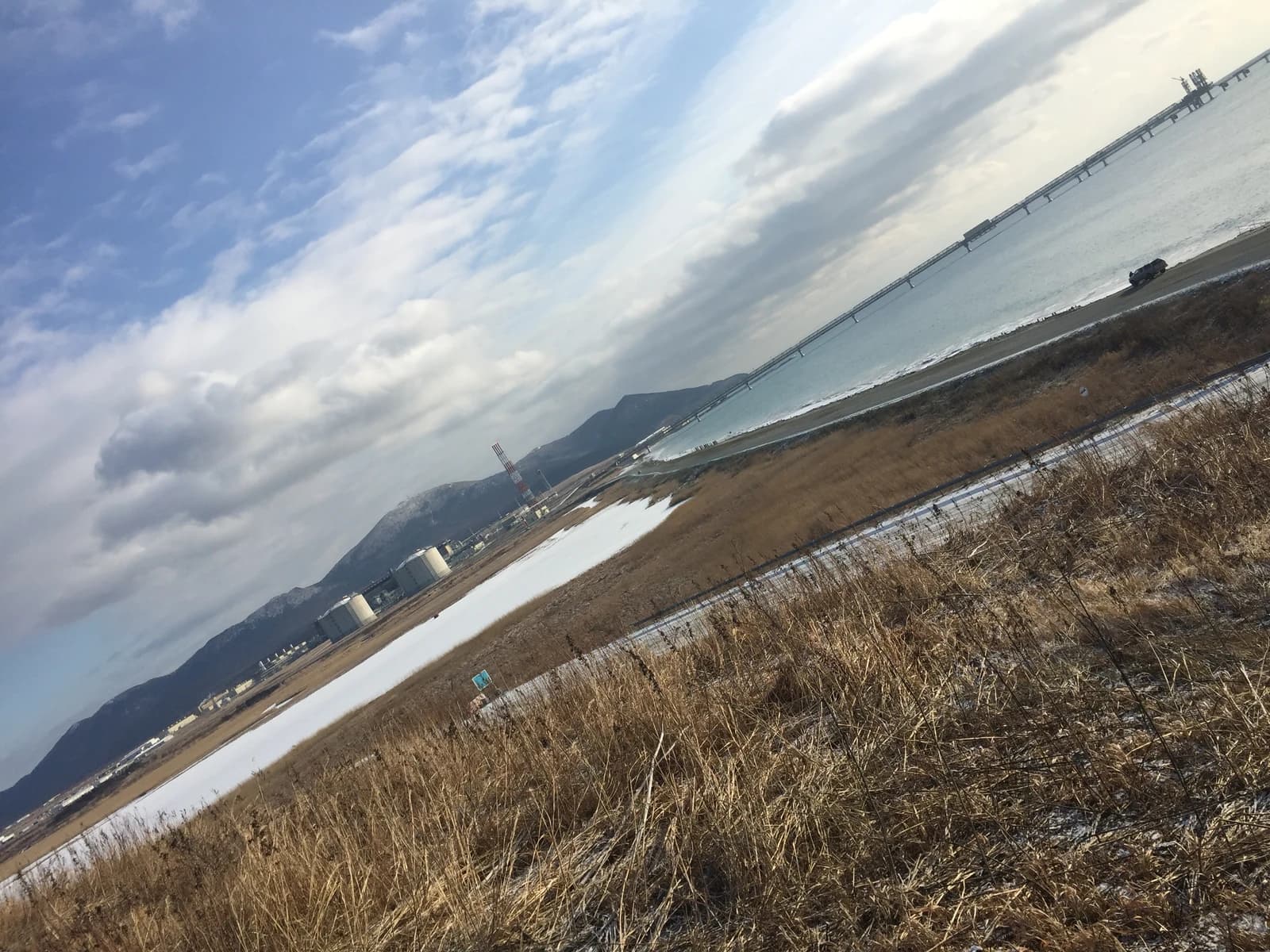
Russian Deputy Prime Minister Alexander Novak said at the Eastern Economic Forum that the two countries are “preparing for launch” of the route and are still discussing other gas projects, including the long-delayed Power of Siberia 2, which would carry gas from western Siberia through Mongolia to China. The immediate significance is not just another pipeline announcement, but the prospect of a new long-term demand anchor for Russian gas exports at a time when sanctions and Europe’s retreat have forced Moscow to redirect flows eastward.
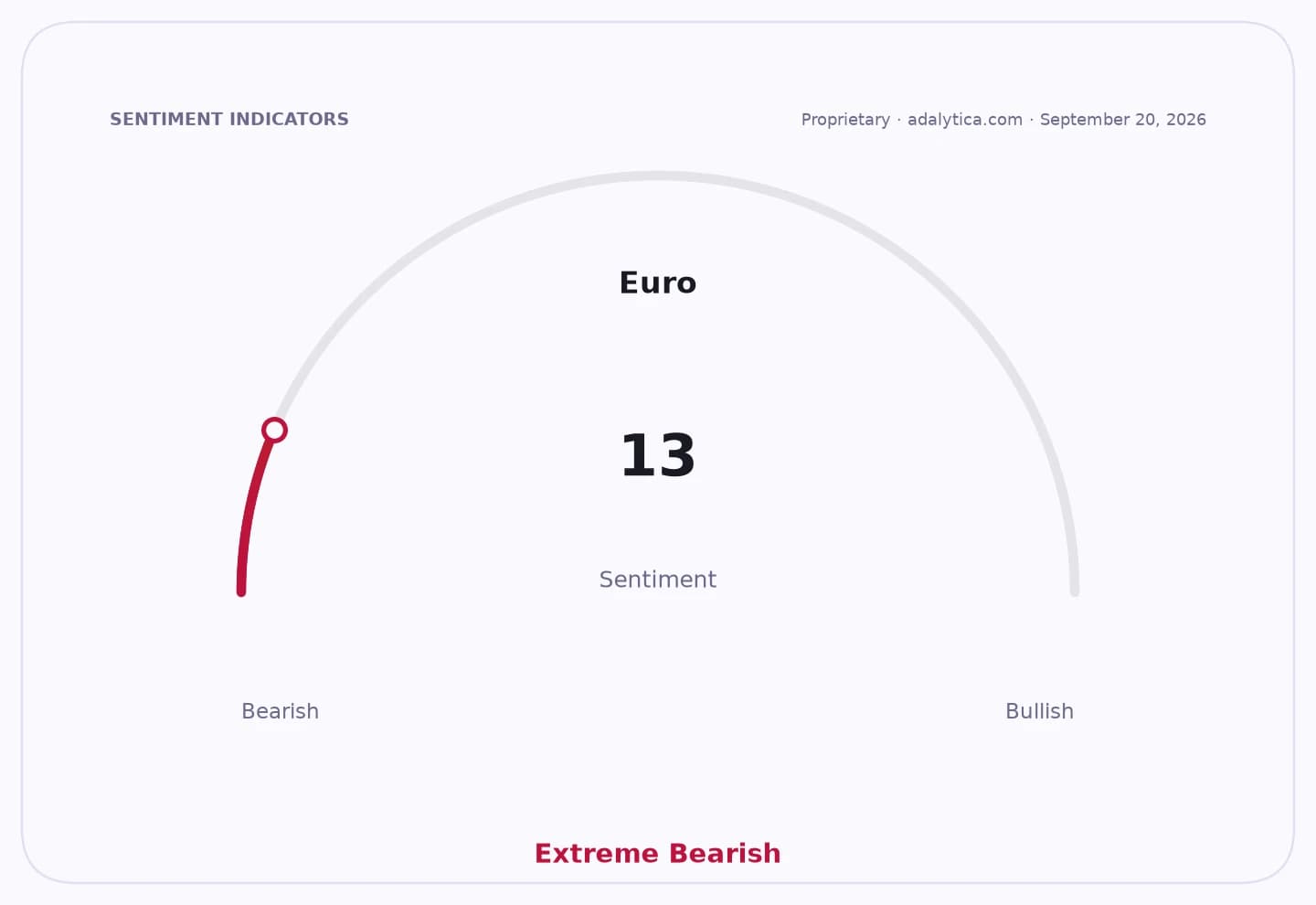
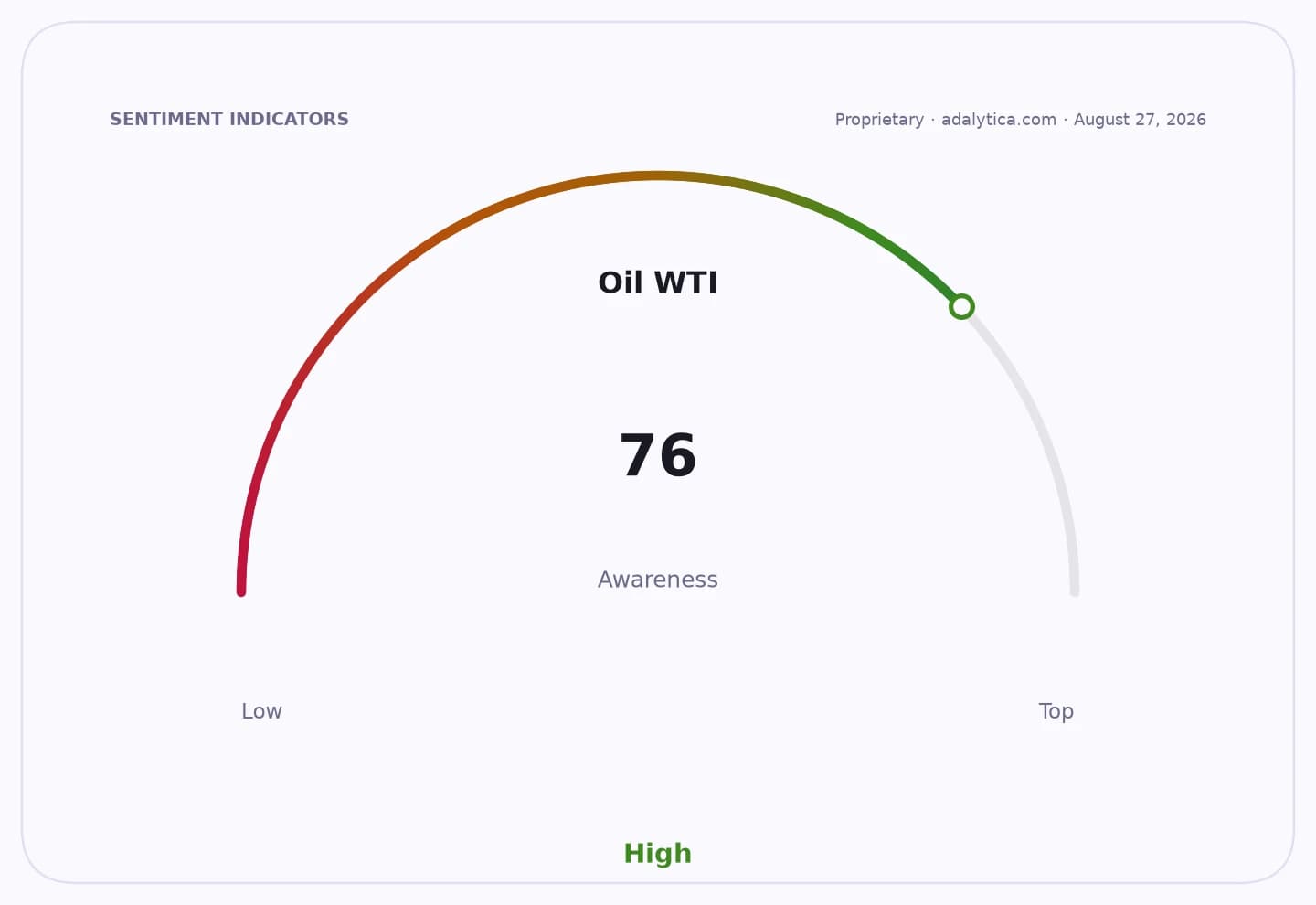
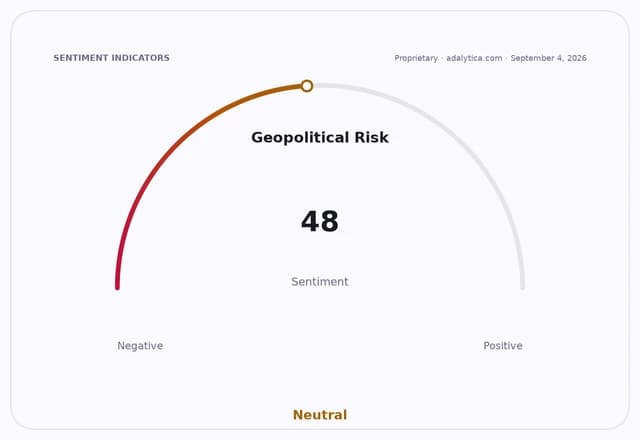
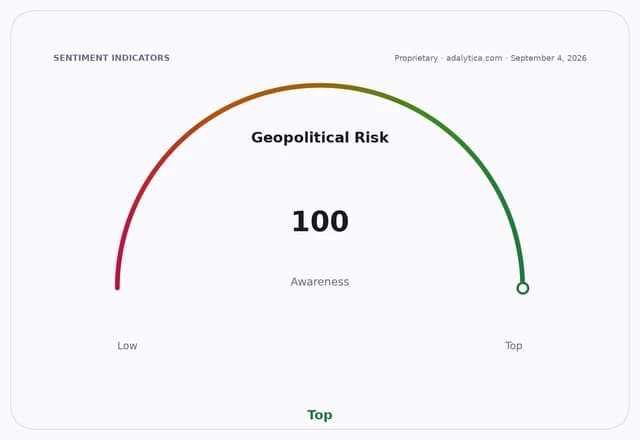
Sentiment IndicatorsⓘProprietary · adalytica.com · September 4, 2026
This is a snapshot — live sentiment, awareness and momentum for 130+ markets update continuously in the dashboard.Open AlphaPulse
The planned Far East route matters economically because pipeline gas contracts typically lock in volumes for decades, shaping upstream investment, transport infrastructure and state export revenue. Novak’s comments come after a legally binding memorandum last year for Power of Siberia 2 envisaged capacity of 50 billion cubic metres a year over a 30-year term, underscoring how central China has become to Russia’s energy strategy. If delivered, the new route would widen Gazprom’s access to the world’s fastest-growing major gas market and reduce the risk that Russian production remains stranded in remote fields.
For investors, the story is about cash flow visibility, pricing power and geopolitical risk rather than an immediate trading catalyst. Russian gas flows to China can support utilisation rates across Gazprom’s pipeline system and reinforce the view that Russia’s hydrocarbon sector is becoming structurally tied to Asia. But the terms of any supply agreement remain critical: a heavily discounted contract would improve volumes while limiting profitability, and the 30-year tenor would also lock in exposure to Chinese demand trends and policy bargaining power for decades.
The development also fits a broader market shift in which energy trade is being reorganised around geopolitics. Russia has already leaned on China as a growing customer for oil and gas, while Beijing has used the partnership to diversify supply and strengthen energy security. That raises the strategic value of the relationship for both sides, but it also shows the limits of Russia’s leverage: the farther Moscow moves from Europe, the more its export model depends on a single powerful buyer.
Oil and gas markets have so far treated the news as part of a long-running realignment rather than a shock. Brent crude around the low $90s and gains in energy equities reflect an environment in which geopolitical premium remains embedded, but the Far East route itself is more relevant to long-term gas balance sheets than to near-term price action. The key catalyst now is whether Russia and China turn preparatory language into a signed commercial framework, and whether that deal is broad enough to reshape Eurasian gas trade on a multi-decade basis.
| Entity | Gains | Losses |
|---|---|---|
| Russia / Gazprom | ▲export outlet and revenue visibility | ▼bargaining leverage |
| China | ▲diversified gas supply | ▼pricing flexibility |
| Europe | ▲— | ▼reduced access to Russian gas |
| LNG exporters | ▲tighter long-term competition | ▼potential Asia demand displacement |