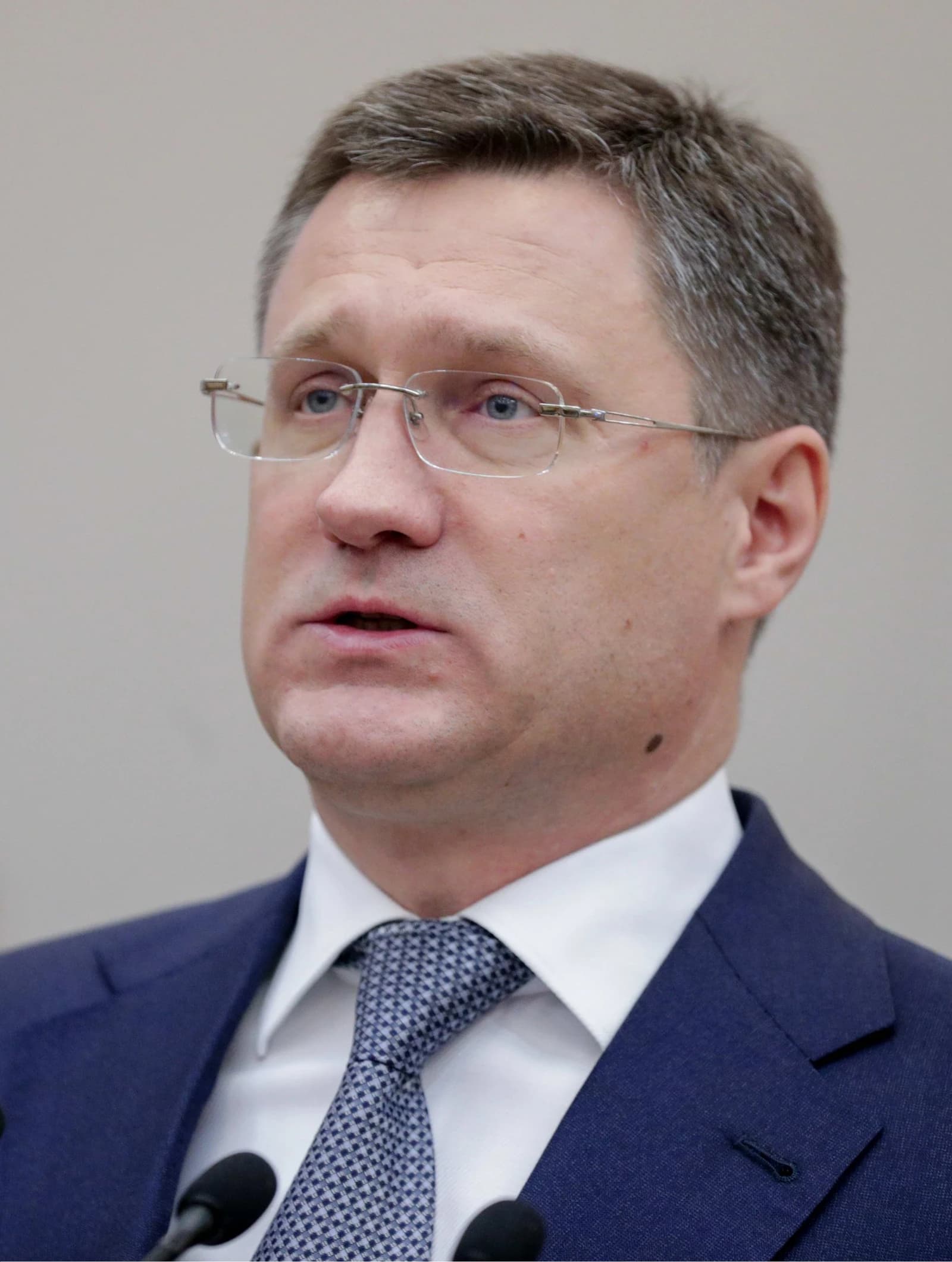
Gazprom has increased gas deliveries to Kazakhstan, Kyrgyzstan and Uzbekistan by nearly 70% since the start of 2026, underscoring how Russia is leaning more heavily on Central Asia as it reshapes export flows away from Europe.
Gazprom raises gas deliveries to Central Asia

The surge matters because it ties Russia’s biggest gas exporter more closely to neighboring markets that are still expanding demand, while deepening the region’s reliance on Russian supply. For investors, it highlights that Gazprom is finding incremental outlet growth even as its broader European business remains under pressure from sanctions, policy shifts and weakening long-term demand.
Sentiment IndicatorsⓘProprietary · adalytica.com · September 5, 2026
This is a snapshot — live sentiment, awareness and momentum for 130+ markets update continuously in the dashboard.Open AlphaPulse
CEO Alexey Miller said the company lifted supplies to the three Central Asian countries by almost 70%, with Uzbekistan alone receiving 6.48 billion cubic meters in 2025, up 15% from 2024. Uzbekistan became a net gas importer in 2023 and buys Russian gas through the Central Asia-Center pipeline system, which now runs in reverse mode.
Kyrgyzstan, which consumes about 500 million cubic meters of gas a year, has signed long-term supply contracts with Gazprom through 2040 for planned power plants in Bishkek. In Kazakhstan, Russian gas already feeds western regions and could expand farther north, with state firm QazaqGaz having imported 4.4 billion cubic meters from Russia in 2025 and potentially 6 billion cubic meters in 2026.
The development is strategically important for Moscow because gas exports remain a key source of hard currency and leverage in the former Soviet sphere. It also shows Russia is using existing infrastructure more aggressively, including reverse flows through Soviet-era pipeline networks, to capture demand in markets where industrial growth and power generation still require imported fuel.
At the same time, Russia is pushing to lift gas exports to China, another sign that its energy trade is being rerouted east and south. Gazprom plans to raise shipments via the Power of Siberia pipeline to 40 billion cubic meters in 2026 from 38.8 billion cubic meters in 2025, while Russian officials say total exports to China through that route and a transit line via Kazakhstan could reach about 50 billion cubic meters this year.
For energy markets, the message is that regional gas balances are becoming more interconnected even as Europe heads into winter with low storage. That leaves Central Asia, China and pipeline transit states increasingly important in Russia’s export strategy — and makes future supply negotiations, tariff terms and infrastructure investments in the region a key watchpoint for investors.
| Entity | Gains | Losses |
|---|---|---|
| Gazprom | ▲Higher export volumes | ▼Less reliance on Europe |
| Central Asian importers | ▲More secure gas supply | ▼Greater dependence on Russia |
| China | ▲More pipeline gas optionality | ▼More competition for regional flows |
| Europe | ▲None | ▼Fewer Russian molecules available for re-export indirectly |