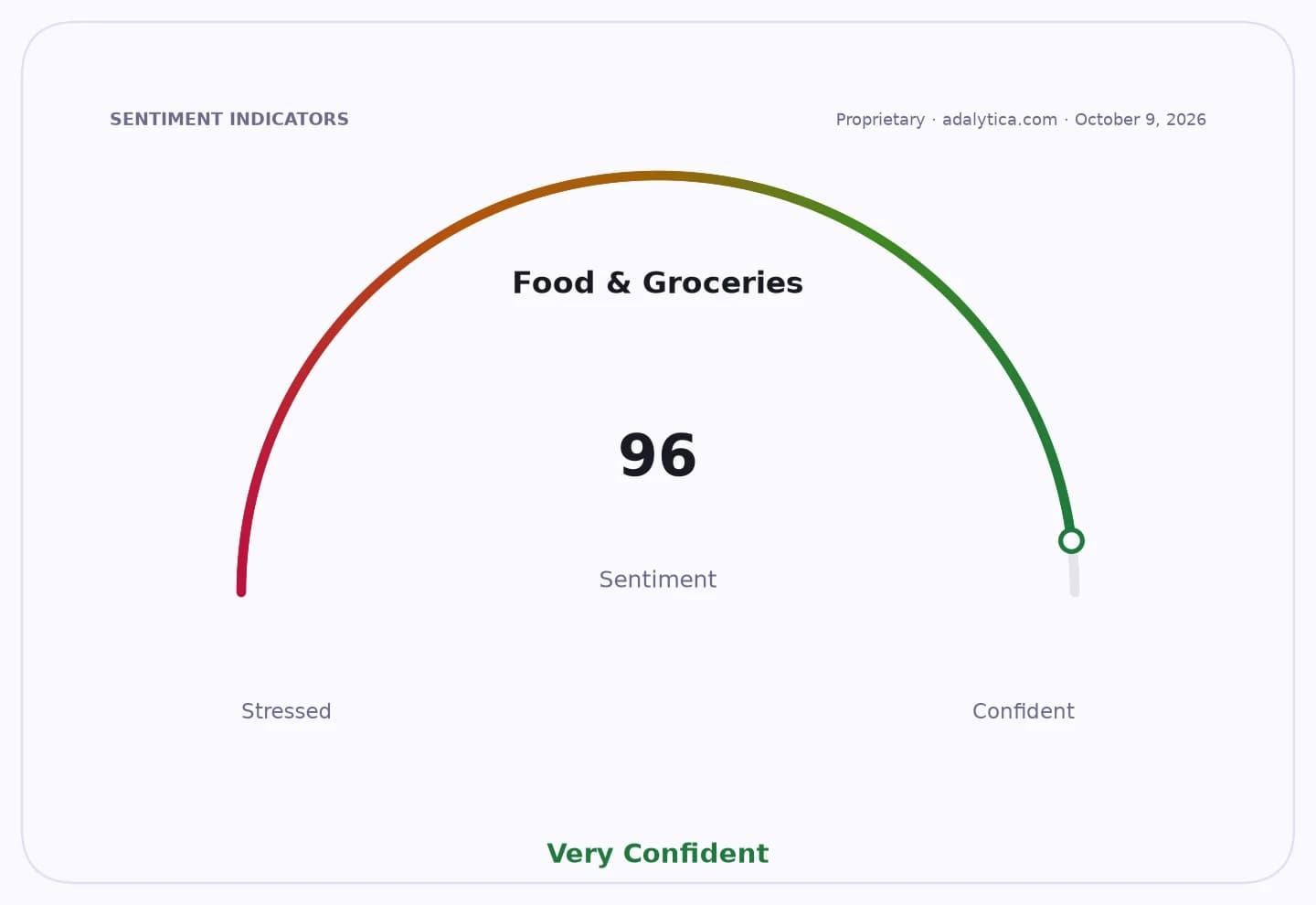
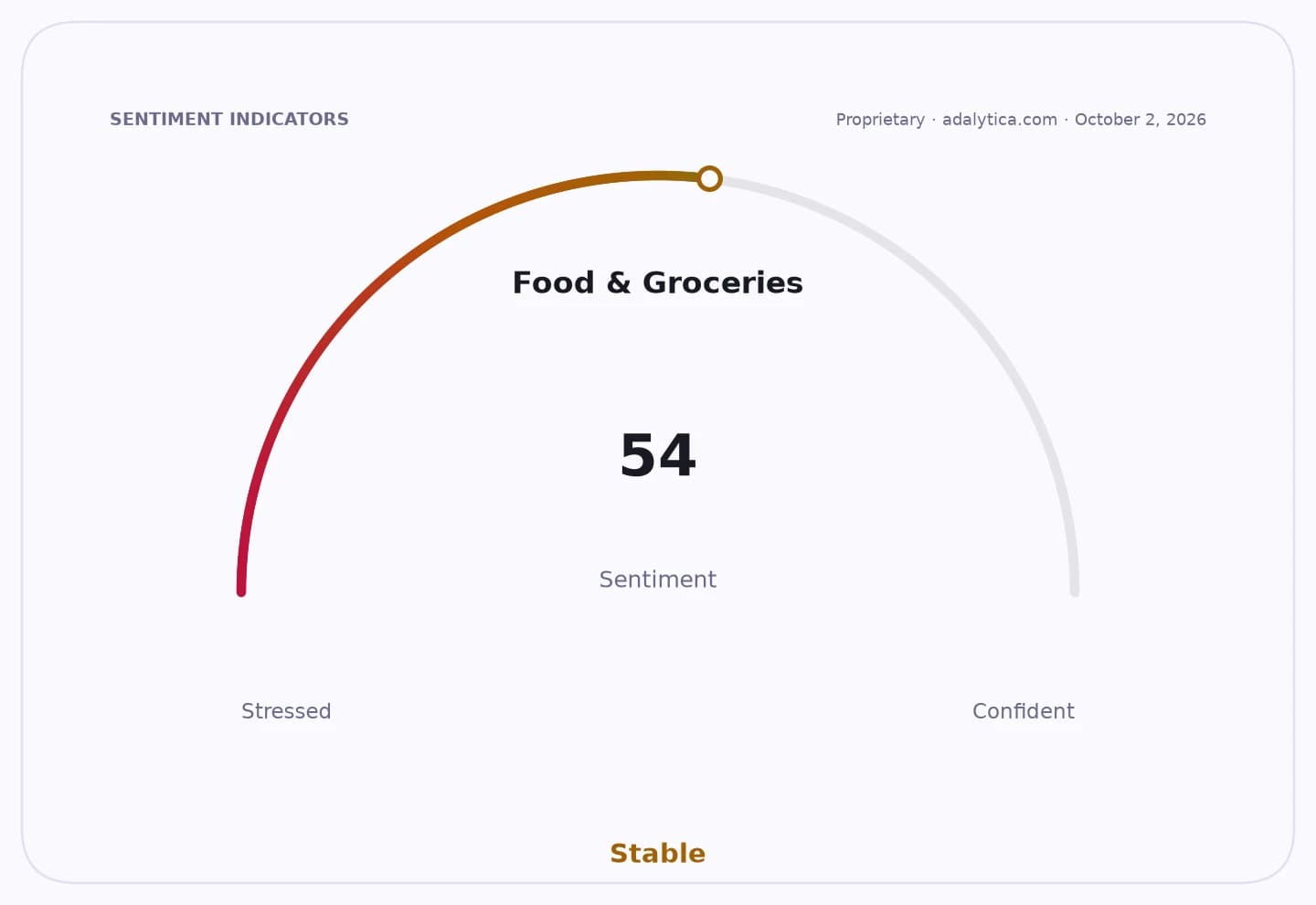
Rice prices in traditional markets across DI Yogyakarta were unchanged on Oct. 8, with medium I rice holding at IDR 15,400 a kilogram, a sign that Indonesia’s most important staple remains broadly steady even as other food items move sharply in both directions.
DI Yogyakarta Rice Prices Hold Steady at IDR 15,400
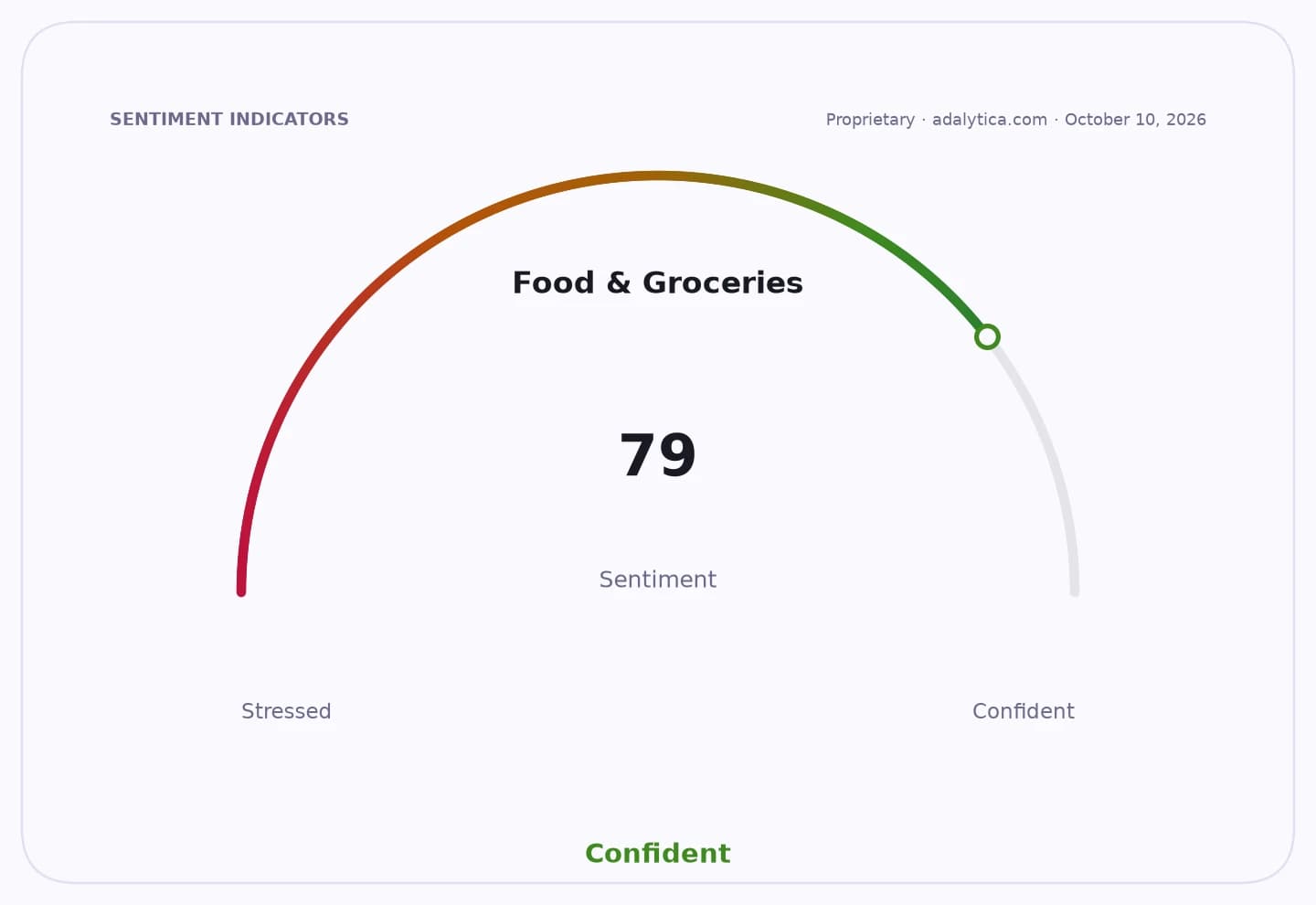
The stability matters because rice sits at the core of household spending and inflation expectations. When rice holds steady, it helps anchor food inflation and gives policymakers more room to manage price pressures elsewhere. For consumers, especially lower-income households that spend a larger share of income on food, a flat rice price offers some relief at a time when volatility in chilies and shallots is still feeding daily shopping costs.
The latest price snapshot from Bank Indonesia’s PIHPS dashboard shows medium I rice unchanged not only day to day but also versus a week, a month and three months earlier. Over the past year, the series has been broadly flat, suggesting the local market has avoided the kind of sustained dislocation that typically forces a policy response. By contrast, several other staples in DI Yogyakarta are moving more decisively: cabai merah besar is up 42.86% from a month earlier, cabai merah naik 27.07%, and bawang merah has risen 10.8%, while eggs and garlic have eased.
That split matters for the inflation mix. Rice’s stability can mute headline food inflation, but it does not eliminate pressure from higher-priced vegetables and seasonings that are more visible in day-to-day purchases. In practice, that means the consumer price basket may still feel expensive even when the benchmark grain is calm. It also underscores why food inflation can remain stubborn despite one major staple behaving well.
The broader rice backdrop is not entirely benign. Regional reporting from Southeast Asia points to a generally sideways rice market, with weather-related supply concerns, slower buying and cautious export demand shaping sentiment. Flooding in parts of Thailand and uneven trade flows have kept traders alert to potential supply tightening. That helps explain why Indonesian rice prices may be stable for now: domestic distribution and inventory conditions appear sufficient to absorb short-term shocks, but the market is still vulnerable if regional supply tightens or demand picks up.
For investors, the message is twofold. Food inflation risks have not disappeared, but the absence of a rice spike reduces the odds of a more aggressive policy response from Bank Indonesia. That is supportive for rate-sensitive assets if it persists. At the same time, sustained gains in other commodities point to a food-cost backdrop that could keep pressure on consumers, retailers and packaged-food margins.
The key question for the next few weeks is whether rice remains a stabilizer or joins the more volatile staples in moving higher. If regional supply risks worsen or government stock management tightens, the current calm could prove temporary. If not, the flat price in DI Yogyakarta will remain an important buffer for inflation and household purchasing power.
| Entity | Gains | Losses |
|---|---|---|
| Consumers in DI Yogyakarta | ▲Stable staple costs | ▼Little relief from other food items |
| Bank Indonesia / policymakers | ▲Easier inflation management | ▼Need to monitor non-rice food inflation |
| Rice retailers / traders | ▲Predictable pricing | ▼Fewer upside margin opportunities |
| Households buying chilies and shallots | ▲None | ▼Higher daily grocery bills |