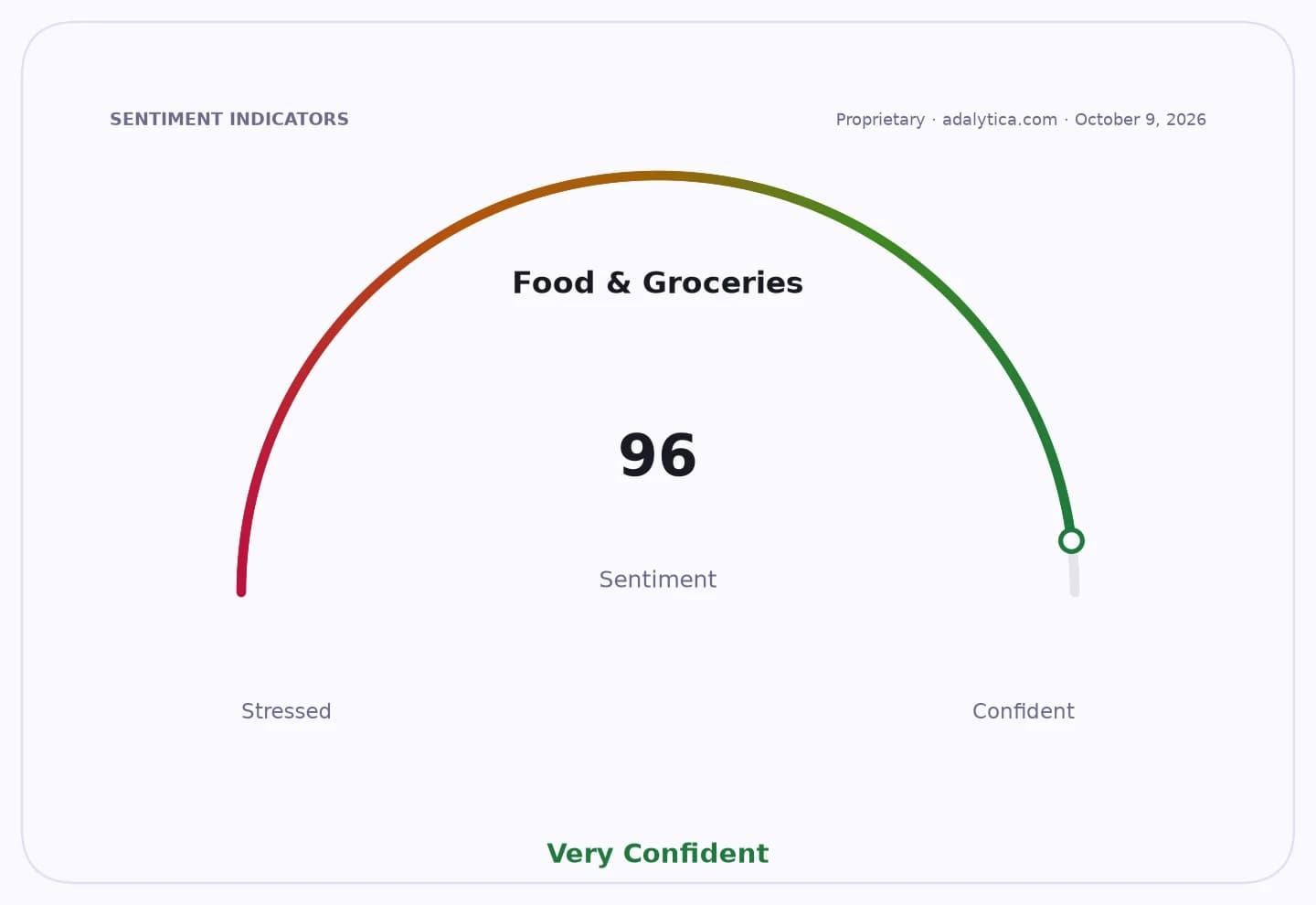
Inflation in Southeast Sulawesi held at 3.19% in August, staying inside Indonesia’s target band and below the national rate, a sign that food prices in Kendari and surrounding districts are being kept in check even as global food costs remain volatile.
Southeast Sulawesi Inflation Holds at 3.19% in August
That matters because food inflation is the part of the consumer-price basket that hits households fastest and can quickly spill into transport, education and other essentials. For investors, a stable inflation print reduces the risk of abrupt policy tightening, supports real purchasing power and gives local businesses more room to plan costs and pricing.
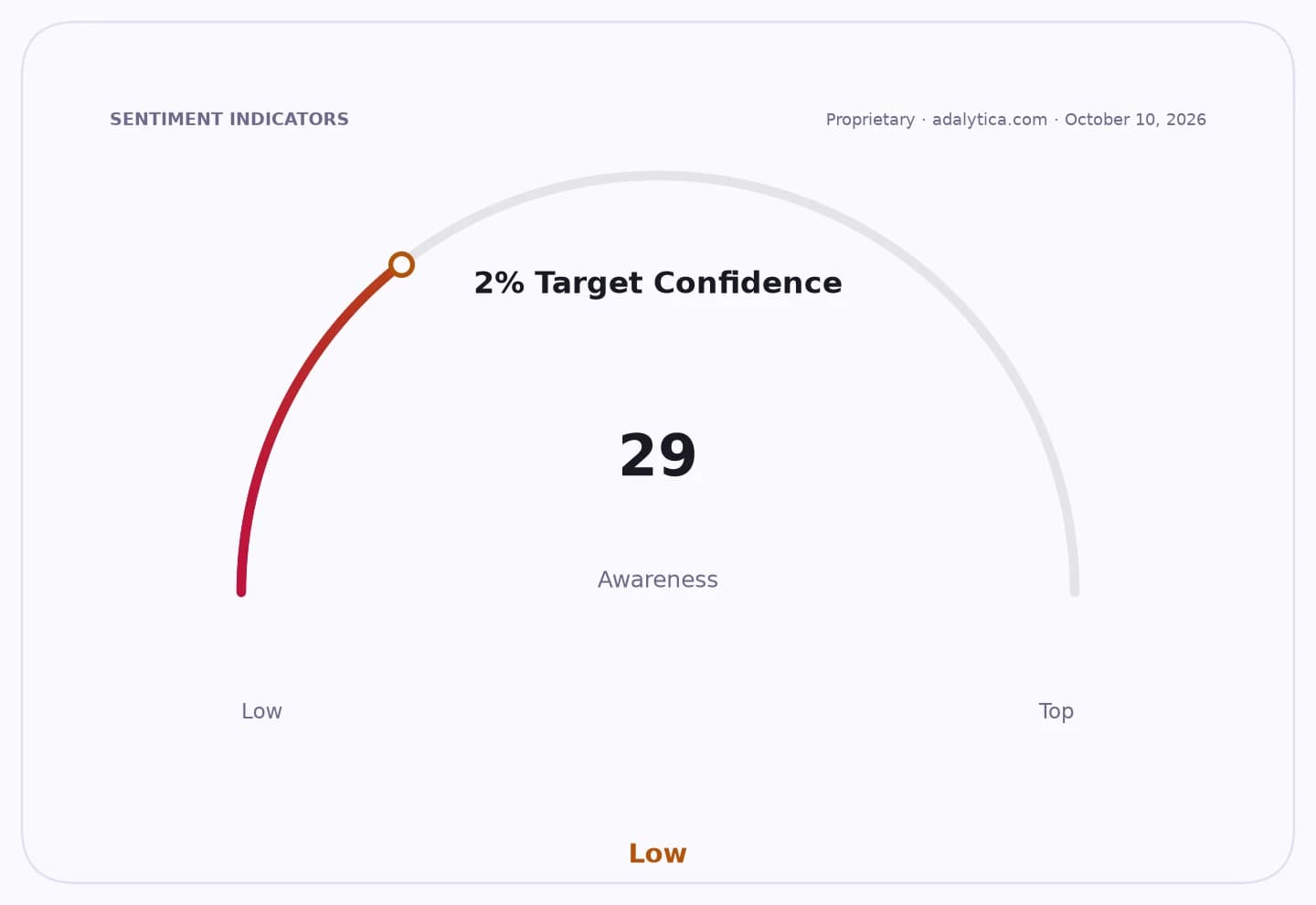
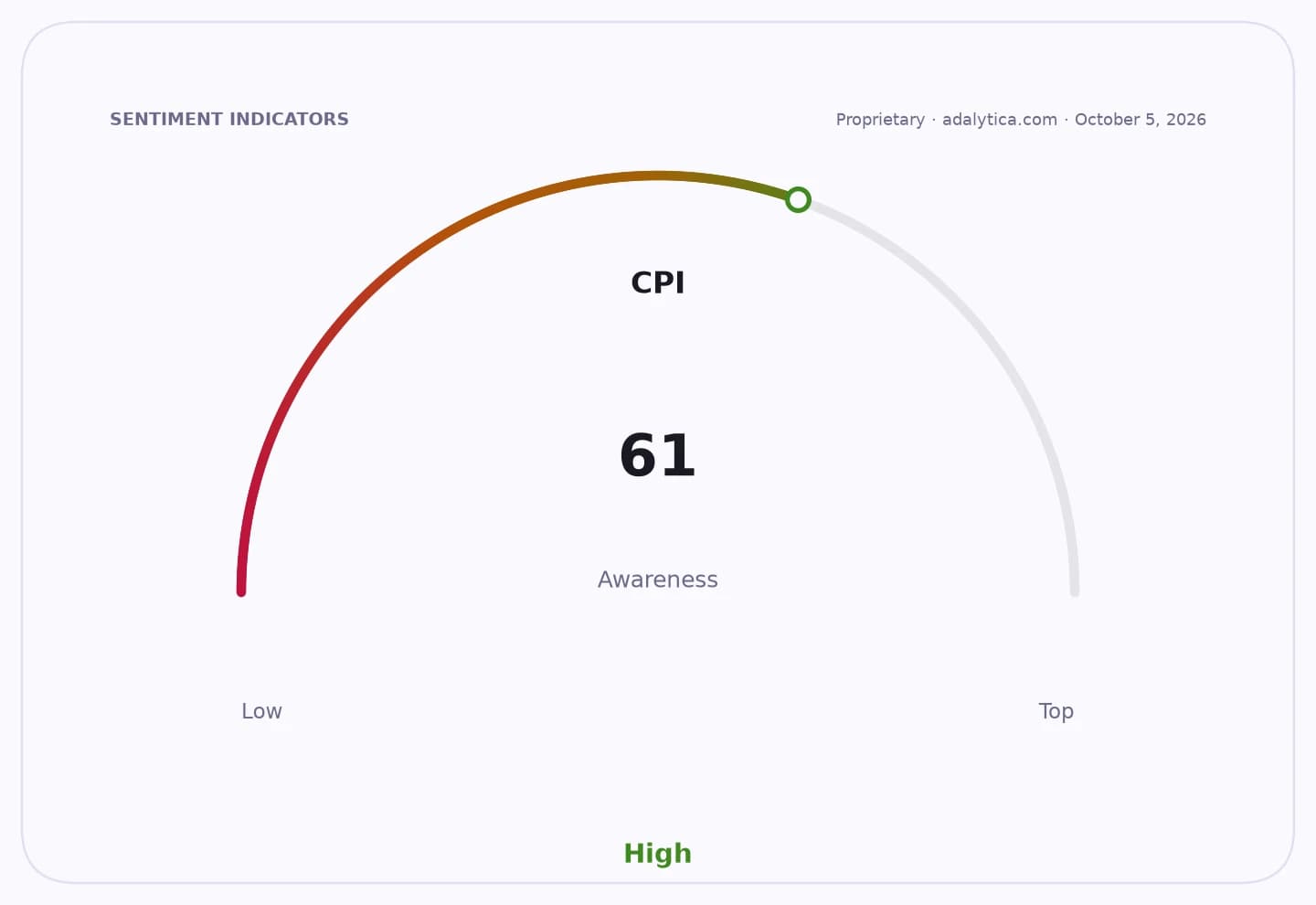
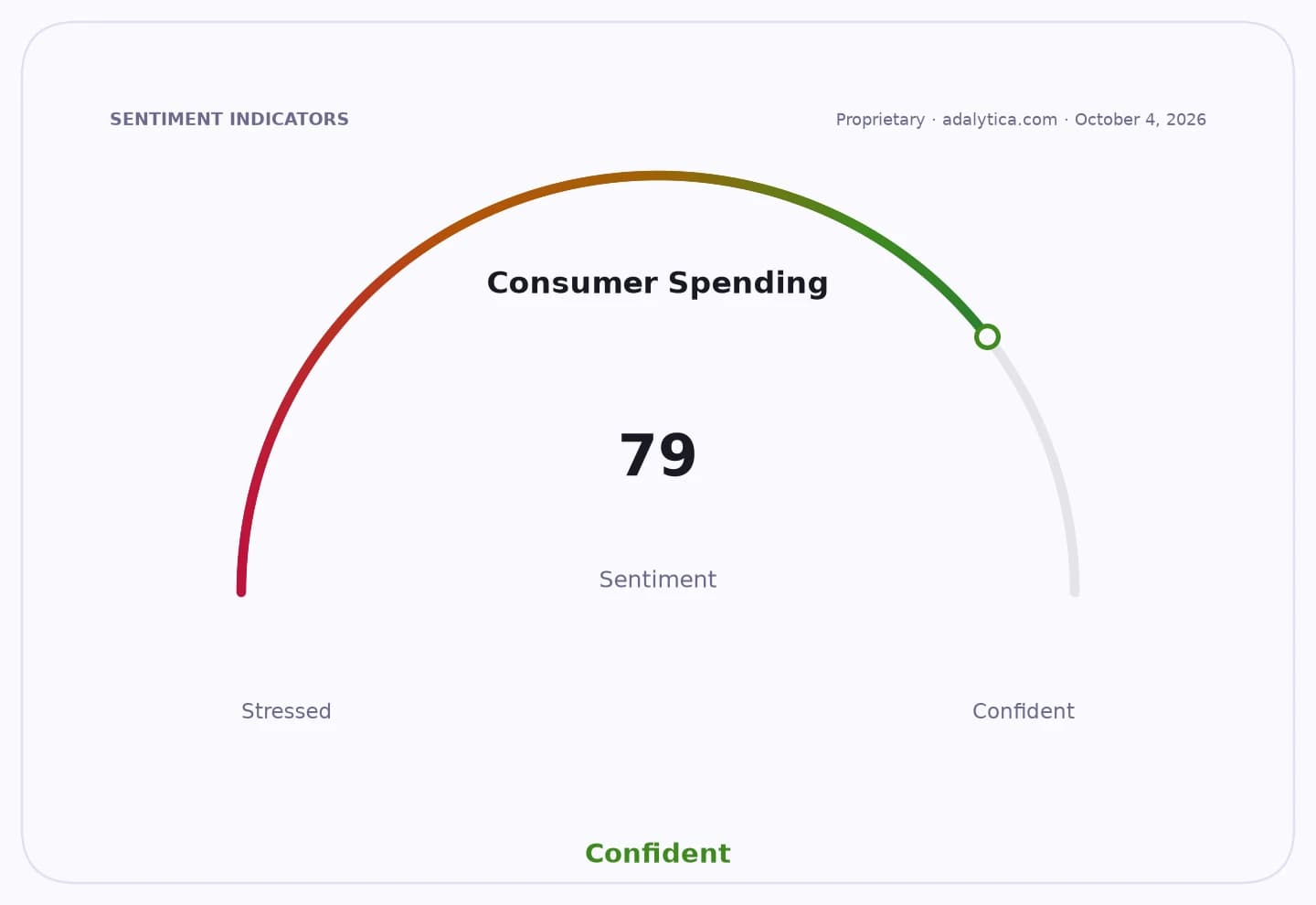
Sentiment IndicatorsⓘProprietary · adalytica.com · October 4, 2026
This is a snapshot — live sentiment, awareness and momentum for 130+ markets update continuously in the dashboard.Open AlphaPulse
The province’s annual inflation rate was lower than the national 3.35%, while month-to-month prices actually fell 0.31% as harvest-season normalization eased pressure on food, energy and transport. Tomatoes, layang fish, kangkung and household fuel were among the biggest drags on prices, offsetting gains from long beans, higher-education costs and sea transport.
For a region like Southeast Sulawesi, that mix matters more than the headline number alone. When food supply is steady, inflation becomes easier to manage, and that helps preserve household spending on everything from groceries to small services. In other words, lower price volatility can be just as important to local economic health as faster growth.
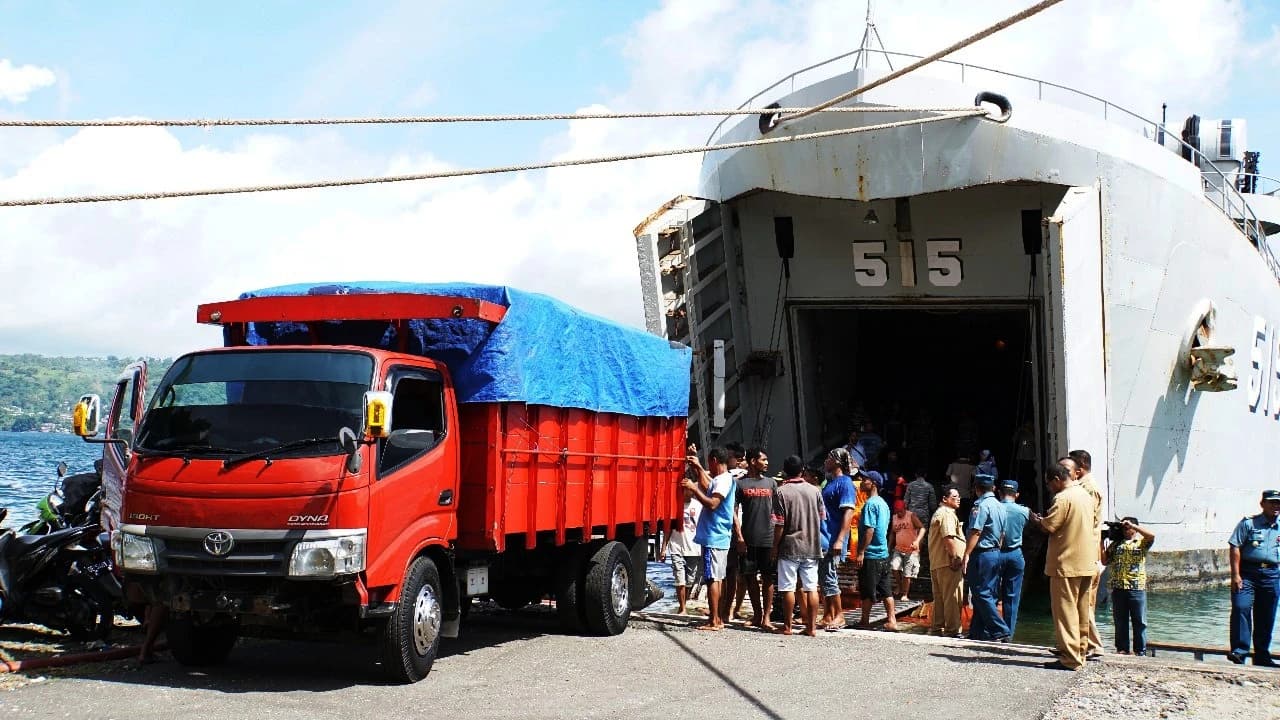
The local government and Bank Indonesia have leaned on the Regional Inflation Control Team, or TPID, to keep supplies moving and prices contained. That coordination appears to be working: several TPID units in Southeast Sulawesi were recognized at a national coordination meeting for strong inflation management, including Kolaka Timur, Bombana, Baubau and the provincial team itself.
For long-term investors, the bigger takeaway is that disciplined inflation management tends to reward economies with more predictable consumer demand and less policy risk. Households spend more confidently when food costs are stable, while businesses face fewer surprises in wages, logistics and inventories.
The challenge is that food inflation is rarely solved permanently. Supply disruptions, weather swings and transport bottlenecks can reverse the picture quickly, especially in an archipelagic province where distribution costs matter. If TPID coordination continues to improve, Southeast Sulawesi could remain one of the more stable inflation stories in Indonesia — and that is the kind of backdrop patient investors should appreciate.
| Entity | Gains | Losses |
|---|---|---|
| Southeast Sulawesi households | ▲steadier food budgets | ▼fewer price spikes |
| Local government and TPID | ▲stronger policy credibility | ▼pressure to keep supplies flowing |
| Consumers and retailers | ▲more predictable spending | ▼less upside from shortage pricing |
| Food importers and transport providers | ▲stable demand environment | ▼weaker pricing power |