Bulog is pushing nearly 4,000 tons of subsidized SPHP rice a day across Indonesia as the government races to stabilize a market where rice prices have stayed elevated and food inflation remains a key risk.
Indonesia Bulog Ships 4,000 Tons of Rice Daily
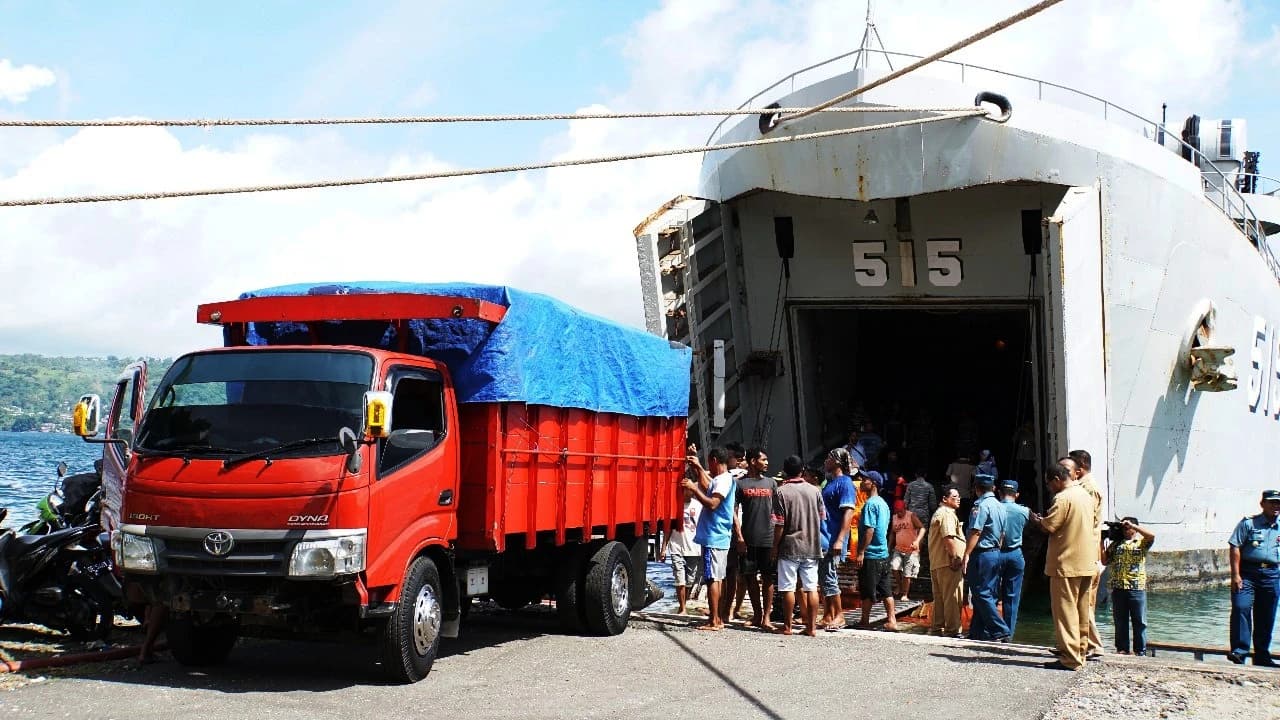
The state logistics agency says the flow, equal to about 120,000 tons a month, is meant to keep supply moving into retail channels and prevent shortages from turning into further price spikes. Bulog chief Ahmad Rizal Ramdhani said the shipments are being sent nationwide and are being supplemented by about 507 tons of premium rice a day, though that still covers only around 10% of national premium demand.
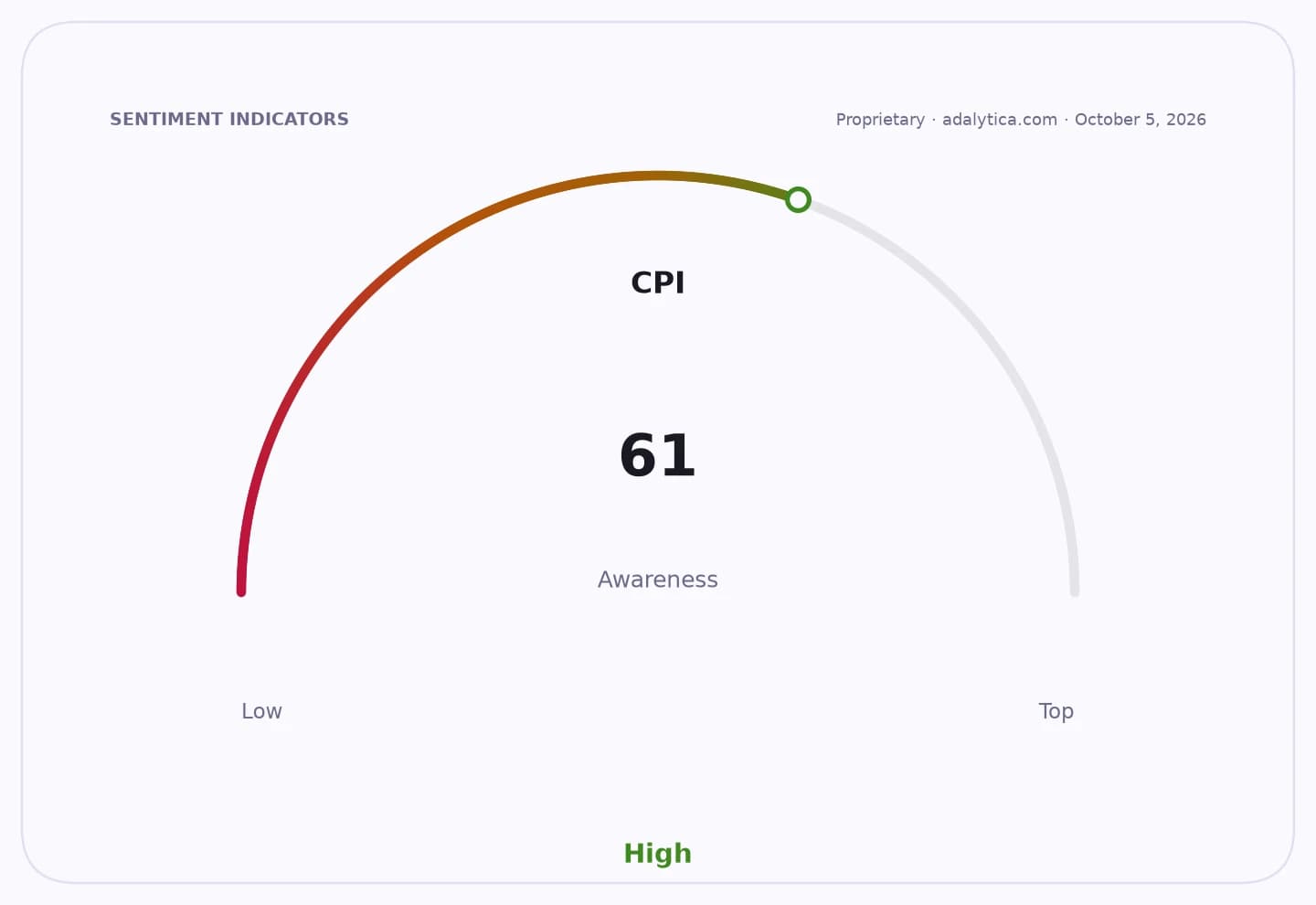
The scale matters because rice is a politically sensitive staple in Southeast Asia’s largest economy, and any sustained mismatch between supply and retail availability can feed directly into household inflation. With Indonesia already dealing with record-high rice prices in some markets, the government is leaning on Bulog to bridge the gap between available stock and consumer access rather than wait for private distribution to normalize on its own.
Rizal said stock at Jakarta’s Cipinang central rice market is sufficient, undercutting earlier claims of widespread scarcity. The issue, he said, is speed: rice needs to move faster from wholesale depots to neighborhood retailers and village outlets before bottlenecks turn into empty shelves or price distortions.
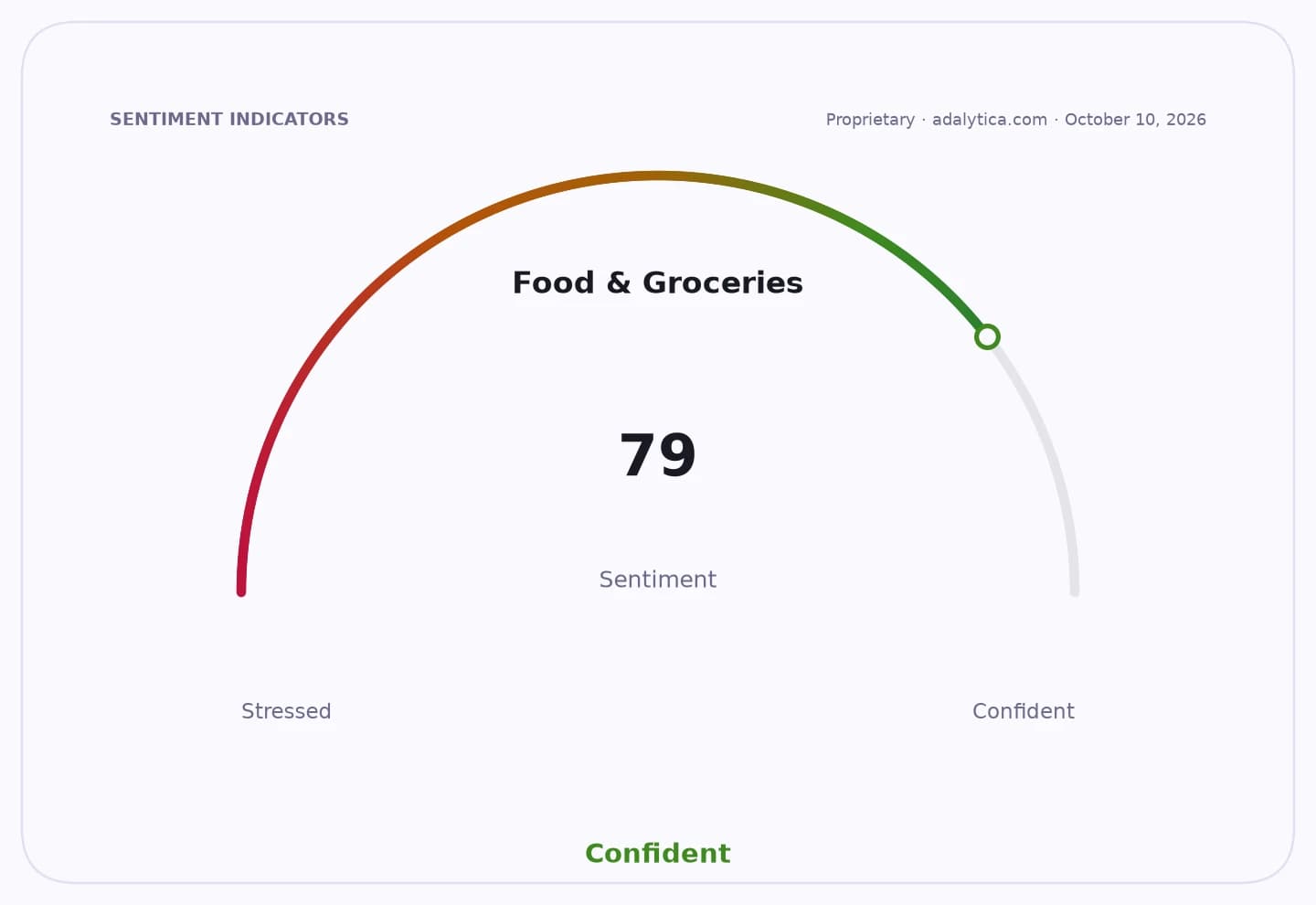
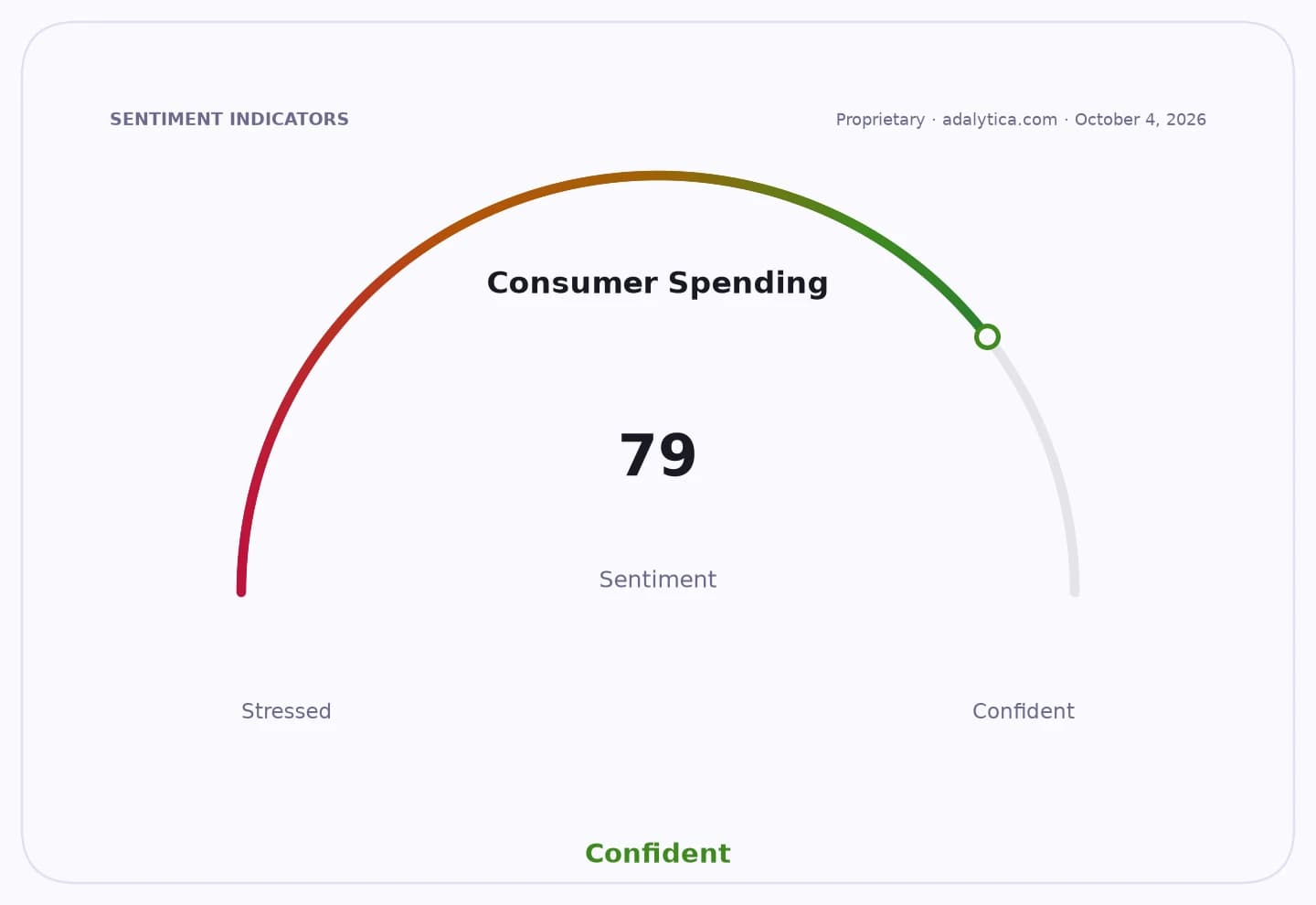
That is also why the government is preparing to widen the distribution network through the Merah Putih village cooperative system, giving Bulog more points of sale for both medium and premium rice. For investors, the immediate read-through is not to listed rice exporters but to the broader food-inflation outlook, which can affect consumer spending, policy settings and the tempo of future intervention in agricultural markets.
The backdrop is a rice market split between abundant supply in some production areas and stubbornly high prices in the retail chain, with domestic fresh rice prices moving out of sync with export trends in Asia. The next catalyst is whether Bulog’s expanded shipments and new village-level channels are enough to cool prices before officials are forced into more aggressive controls.
| Entity | Gains | Losses |
|---|---|---|
| Bulog | ▲Greater market reach | ▼Higher logistics burden |
| Indonesian households | ▲More rice availability | ▼Still elevated prices |
| Private rice traders | ▲Less panic buying | ▼Tighter price pressure |
| Government | ▲Inflation relief | ▼Policy execution risk |