Ghana has secured an $18.8 million African Development Bank grant to expand rice production and processing, in a push to narrow a costly import gap and move the country toward self-sufficiency by 2028.
Ghana Wins $18.8M AfDB Grant for Rice Production
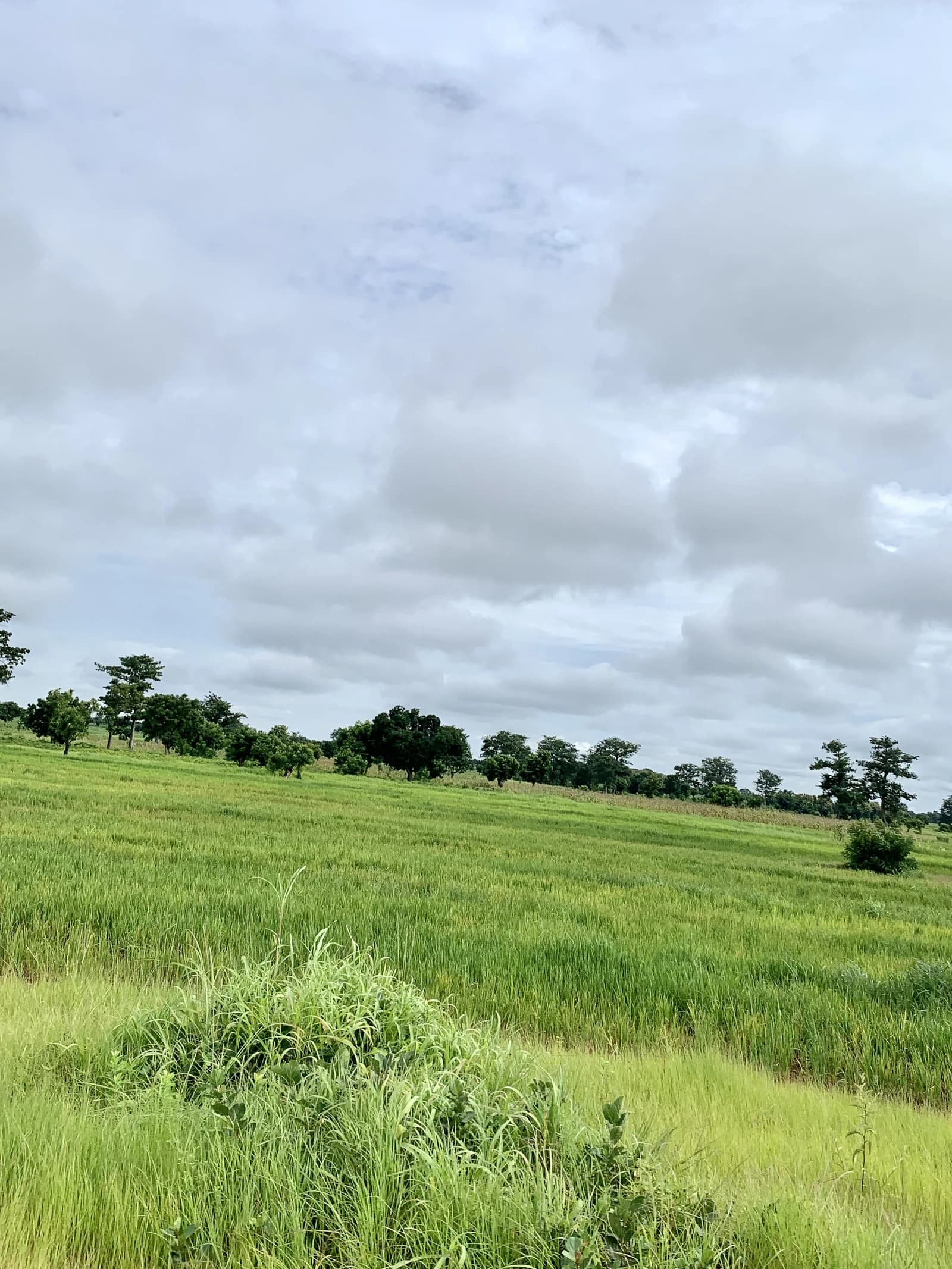
The funding matters because rice is one of Ghana’s biggest food-import drains, with the government saying the country spends about $500 million a year buying rice abroad. By lifting domestic output, the project aims to keep more food spending at home, support rural incomes and reduce exposure to global price swings in a staple that is central to inflation and household budgets.
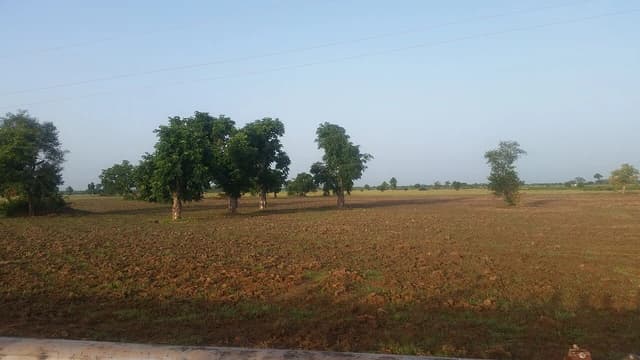
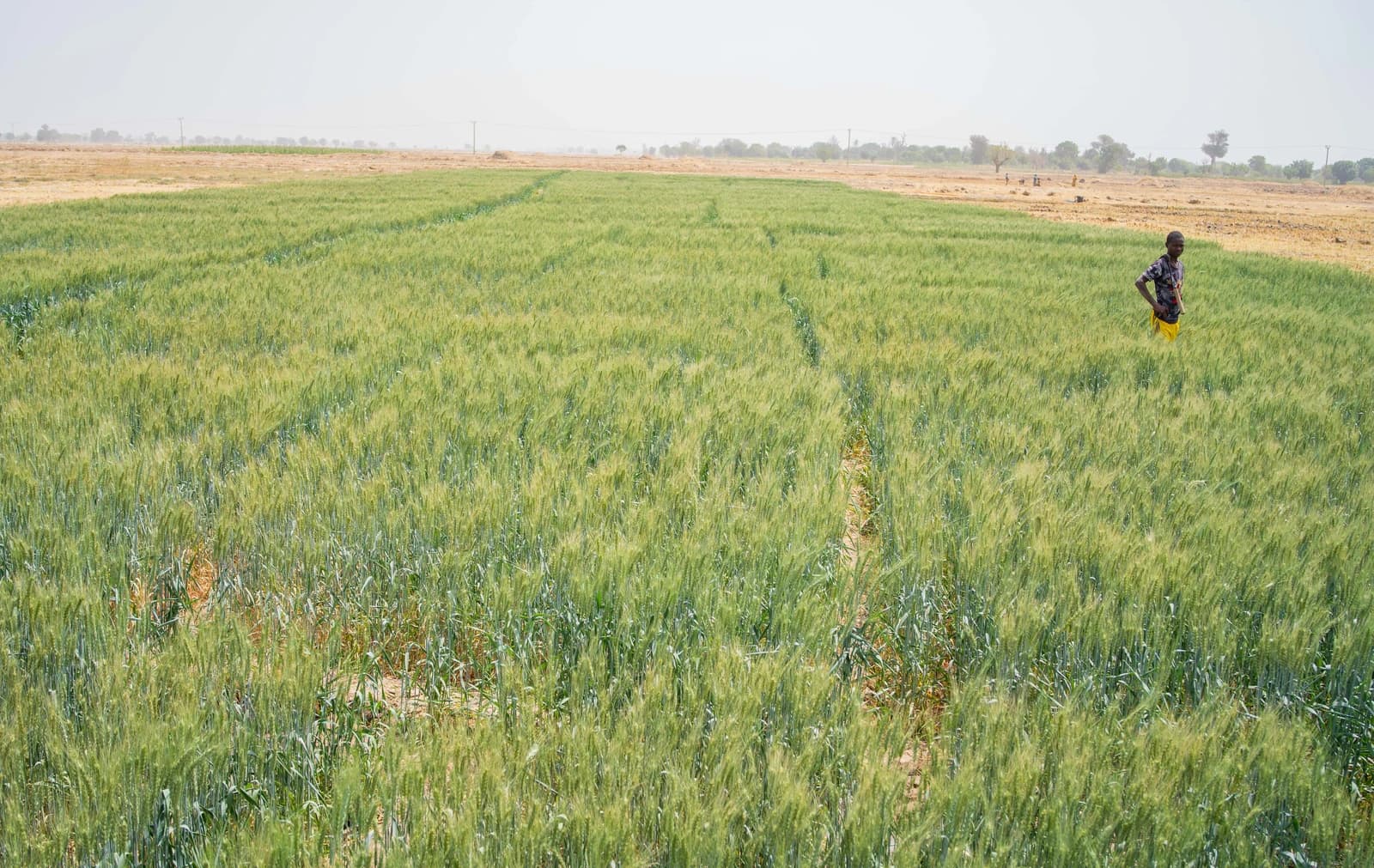
The grant will be channeled through the Ministry of Food and Agriculture under the Regional West Africa Resilient Rice Value Chains project. It will develop 3,200 hectares in Ghana’s Northern Savannah Ecological Zone, support seed centers with cleaning equipment, provide quality seed and mechanization, and raise yields to 4.5 metric tonnes per hectare from 3.5 tonnes.
The project also includes farm machinery such as transplanters, seed drills, rotary tillers, mini combine harvesters and boom sprayers, along with 10 processing centers and hermetic storage to cut post-harvest losses. More than 20,000 smallholder farmers in districts including Tamale, Mion, Savelugu, East Mamprusi, West Gonja, Bole, Wa Municipal, Sissala East and Nandom are expected to benefit directly.
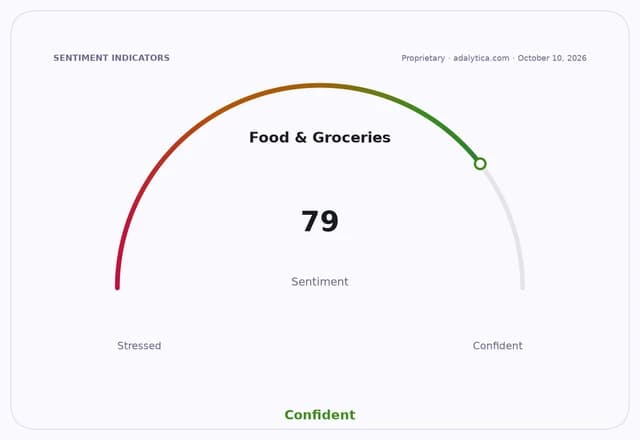
For investors, the story is about supply-chain resilience and food-cost stability rather than a direct market trade. Better local rice availability can ease pressure on imports, improve margins for local processors and traders, and reduce foreign-exchange leakage at a time when many West African economies remain vulnerable to food inflation.
Ghana’s agriculture ministry said milled rice production rose from about 650,000 tonnes in 2024 to 960,000 tonnes in 2025, but local supply still covered only about 56% of demand. The government is targeting 3.31 million metric tonnes of paddy output to hit self-sufficiency, with the REWARD project set for formal launch in November and production preparations beginning for the 2027 season.
Japan has also pledged a separate $2.5 million grant for rice seed-production equipment, highlighting a broader push to upgrade the sector’s input chain. The key risk now is execution: whether the new land, machinery, storage and processing capacity translate into higher yields quickly enough to reduce import dependence before 2028.
| Entity | Gains | Losses |
|---|---|---|
| Ghana farmers | ▲Better seed, machinery, market access | ▼Lower reliance on imports |
| Local rice processors | ▲More domestic supply | ▼Import competition |
| Rice importers | ▲— | ▼Smaller import volumes |
| Consumers / government budget | ▲Potentially lower prices, less FX outflow | ▼Continued exposure until output rises |