Drought in Karnataka is pushing rice prices sharply higher, with retail rates rising Rs 25 to Rs 30 a kilogram over the past three months as sowing falls and traders brace for tighter supplies after harvest begins in November.
Karnataka Rice Prices Rise on Drought Squeeze
The price spike matters because Karnataka is one of India’s major rice-producing states, and a smaller crop in a large producing region can ripple through local markets and, if prolonged, add inflationary pressure to food bills. Wholesale prices for Sona Masuri have climbed to Rs 75-Rs 80 from Rs 50 a kilogram, while Kolam has moved toward Rs 100 from around Rs 75.
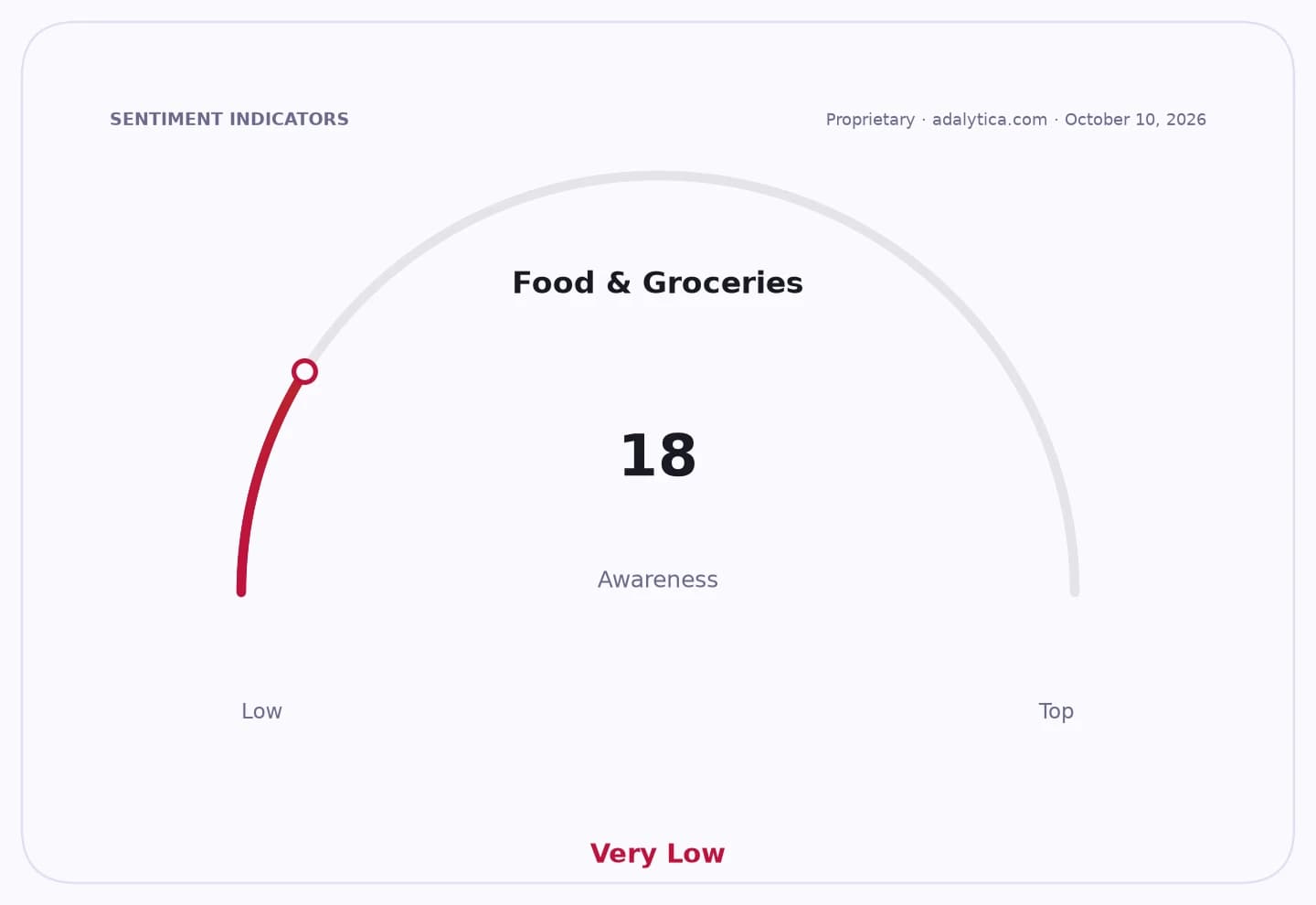
Sentiment IndicatorsⓘProprietary · adalytica.com · October 10, 2026
This is a snapshot — live sentiment, awareness and momentum for 130+ markets update continuously in the dashboard.Open AlphaPulse
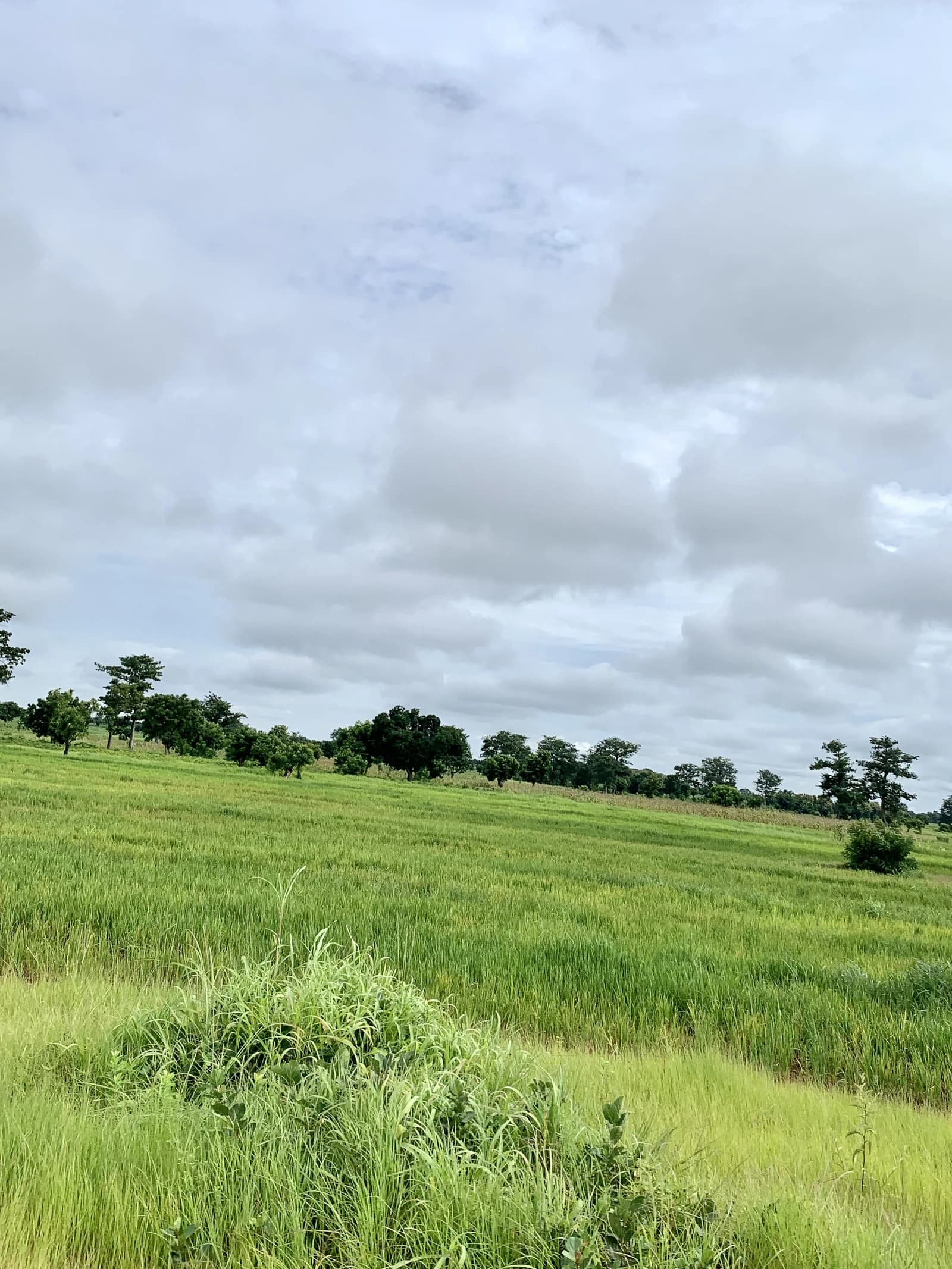
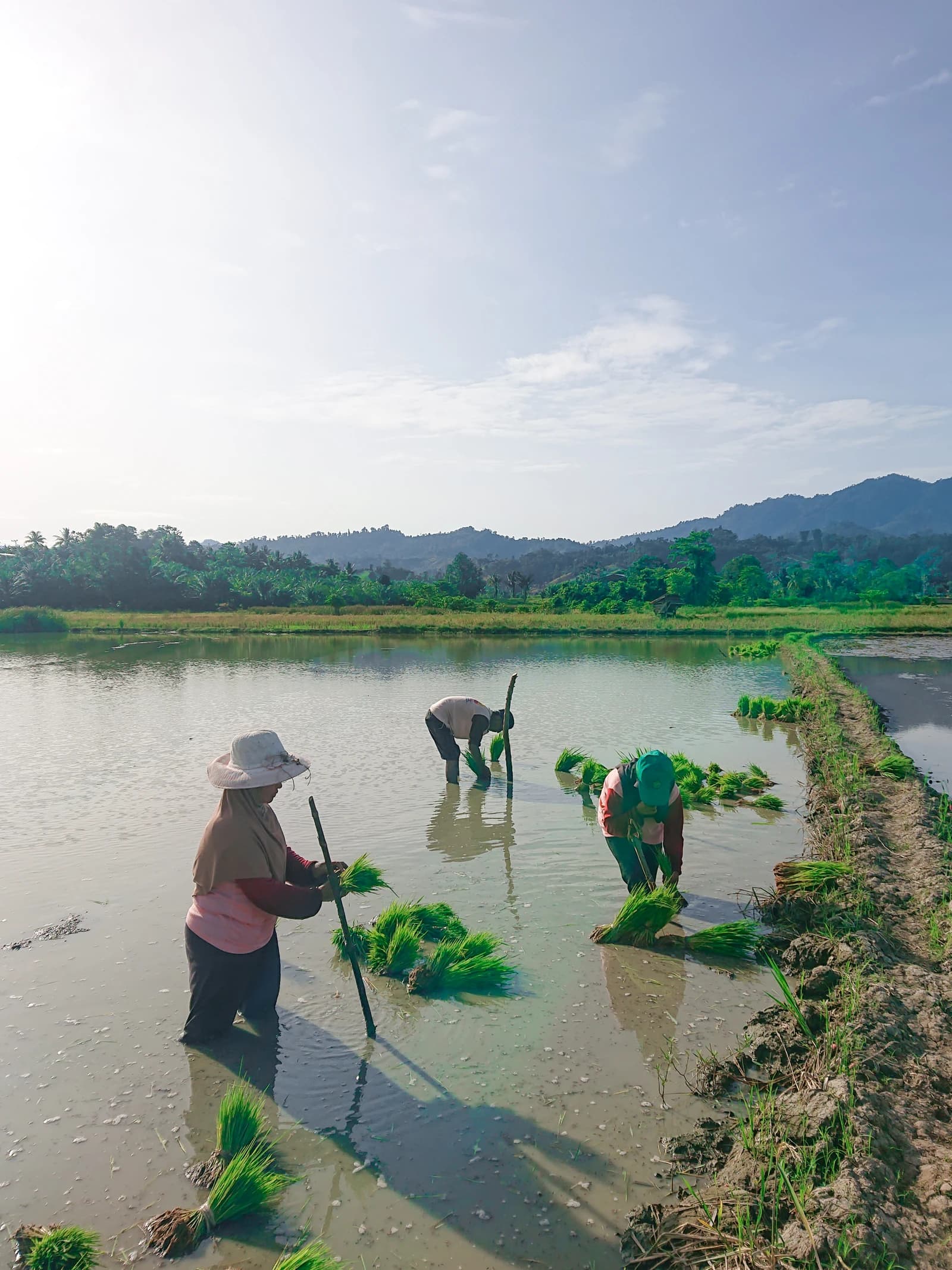
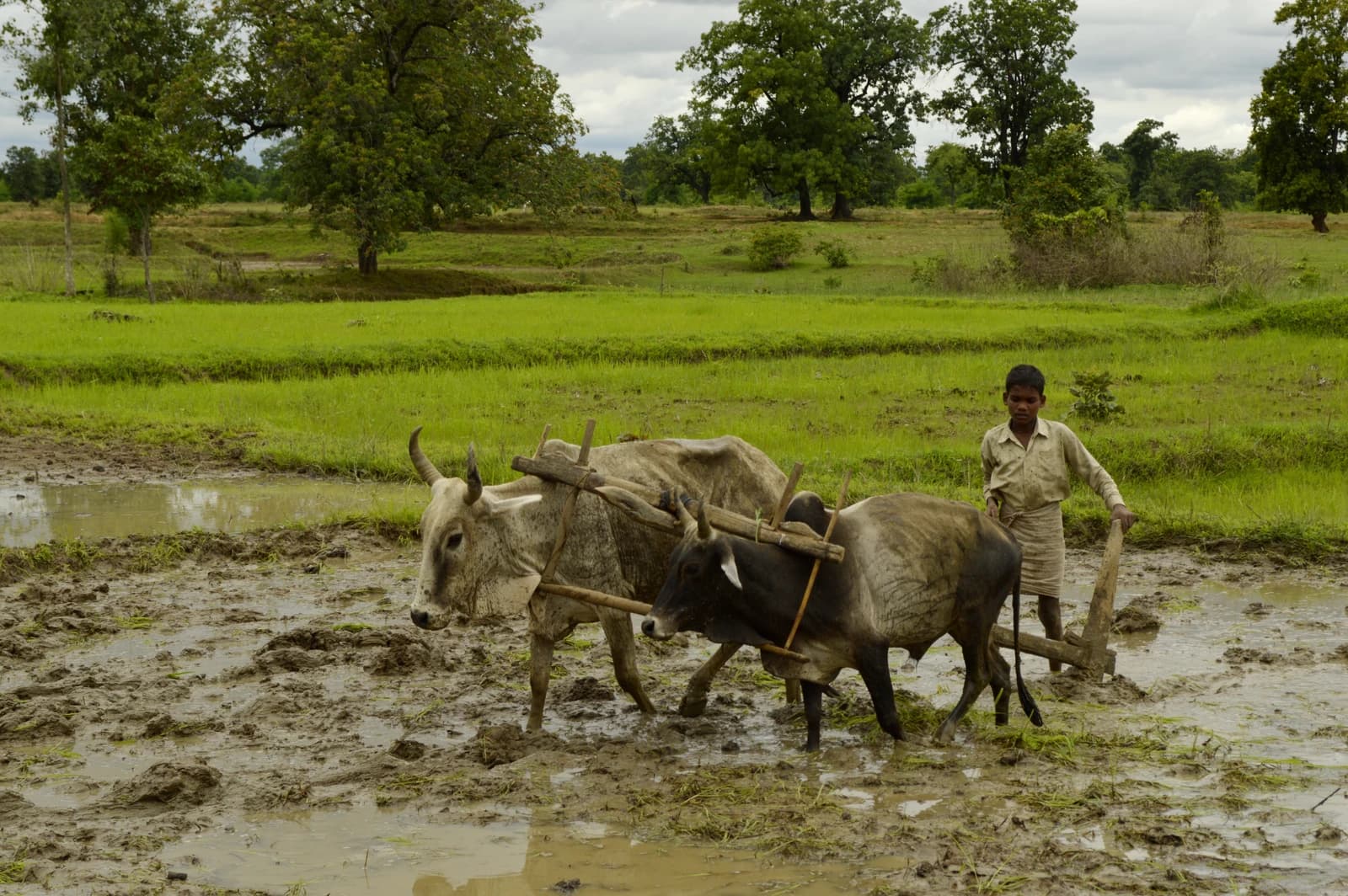
Farmers have cut paddy planting by more than four lakh hectares from a normal annual area of about 13 lakh hectares, according to local industry estimates, as severe drought grips the Tungabhadra and Cauvery river basins. With dams running low and drinking water taking priority in some reservoirs, irrigation releases are limited and tail-end farmers are being pushed away from water-intensive paddy.
That shift matters economically because paddy requires 3,500 to 4,000 litres of water for every kilogram produced, making it one of the most exposed crops in a year of weak monsoon rains. In Raichur and Ballari, farmers say they have not even taken up a single crop this season, compared with the usual two harvests in a normal year.
Millers are already paying up. One local miller said paddy purchases have risen to Rs 4,400 per quintal from Rs 3,000 a few months ago, while the selling price of rice has jumped to Rs 7,500 per quintal from Rs 4,600-Rs 5,300 earlier. That squeeze raises the risk of higher consumer prices spreading beyond Karnataka if supplies stay tight.
Ramesh Chandra Lahoti, an advisor to the agricultural produce market committee, said average rice prices have already risen by Rs 25 to Rs 30 per kg and could add another Rs 10 in the next one to six weeks. For investors, the move reinforces how weather-driven crop losses can feed into food inflation, pressure margins for rice traders and millers, and keep attention on grain-sensitive consumer stocks and agri-linked supply chains.
The immediate catalyst is the November harvest window, when the market will get a clearer read on how much output drought has erased. If rainfall and reservoir levels do not improve, Karnataka’s rice shortage could deepen just as broader Asian rice markets remain volatile.
| Entity | Gains | Losses |
|---|---|---|
| Rice farmers in non-drought areas | ▲Higher farm-gate prices | ▼Lower output volumes |
| Rice millers/traders with inventory | ▲Repricing gains | ▼Higher procurement costs |
| Karnataka consumers | ▲None | ▼Higher retail food bills |
| Paddy growers in drought-hit basins | ▲None | ▼Lower sowing and water shortages |