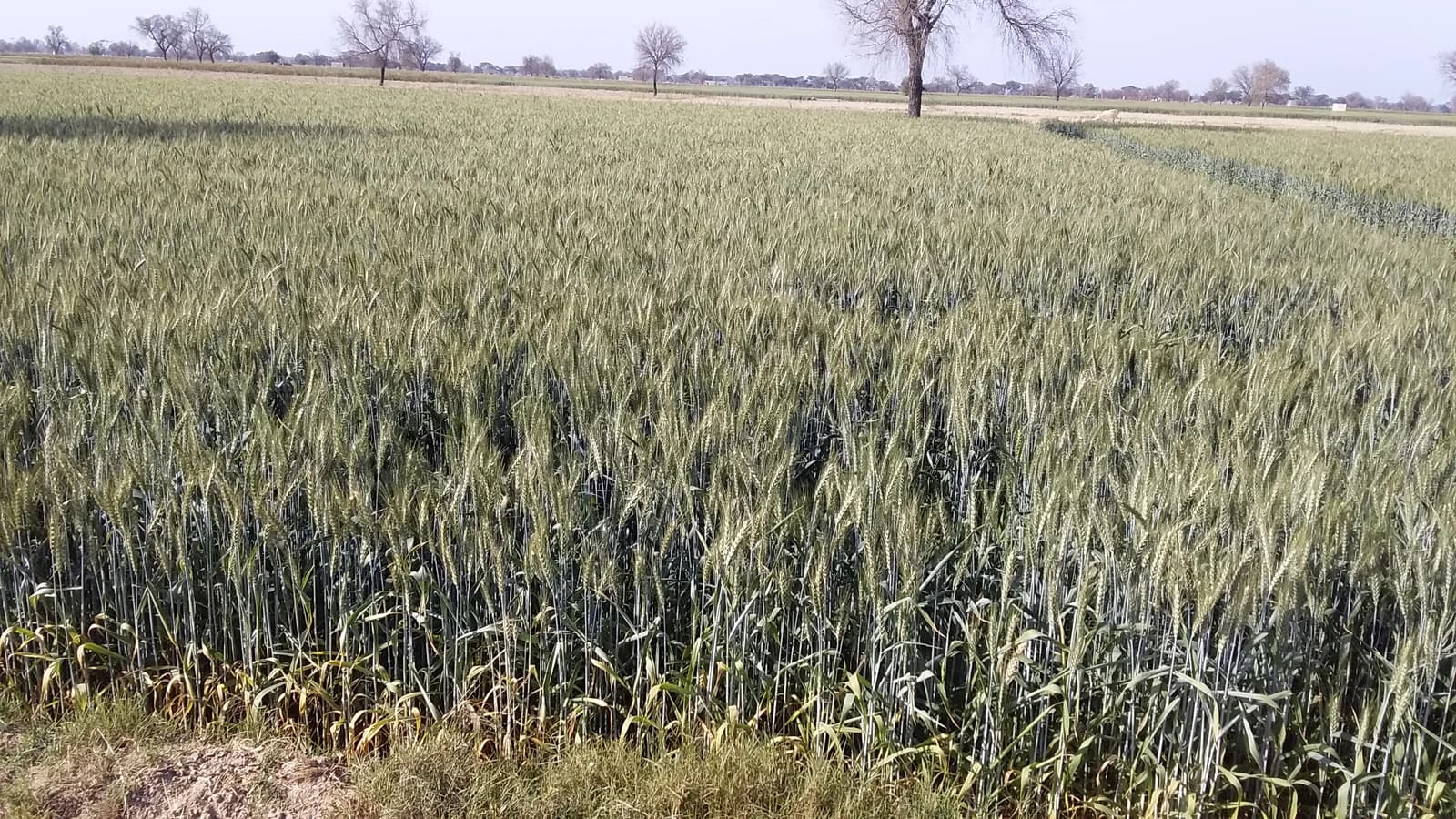
Madhya Pradesh is preparing a ₹2,442 crore five-year push to shift farmers away from water-intensive paddy and wheat and into pulses, a move that could reshape crop economics in India’s top pulse-producing state while easing pressure on groundwater.
Madhya Pradesh Plans ₹2,442 Crore Pulse Shift
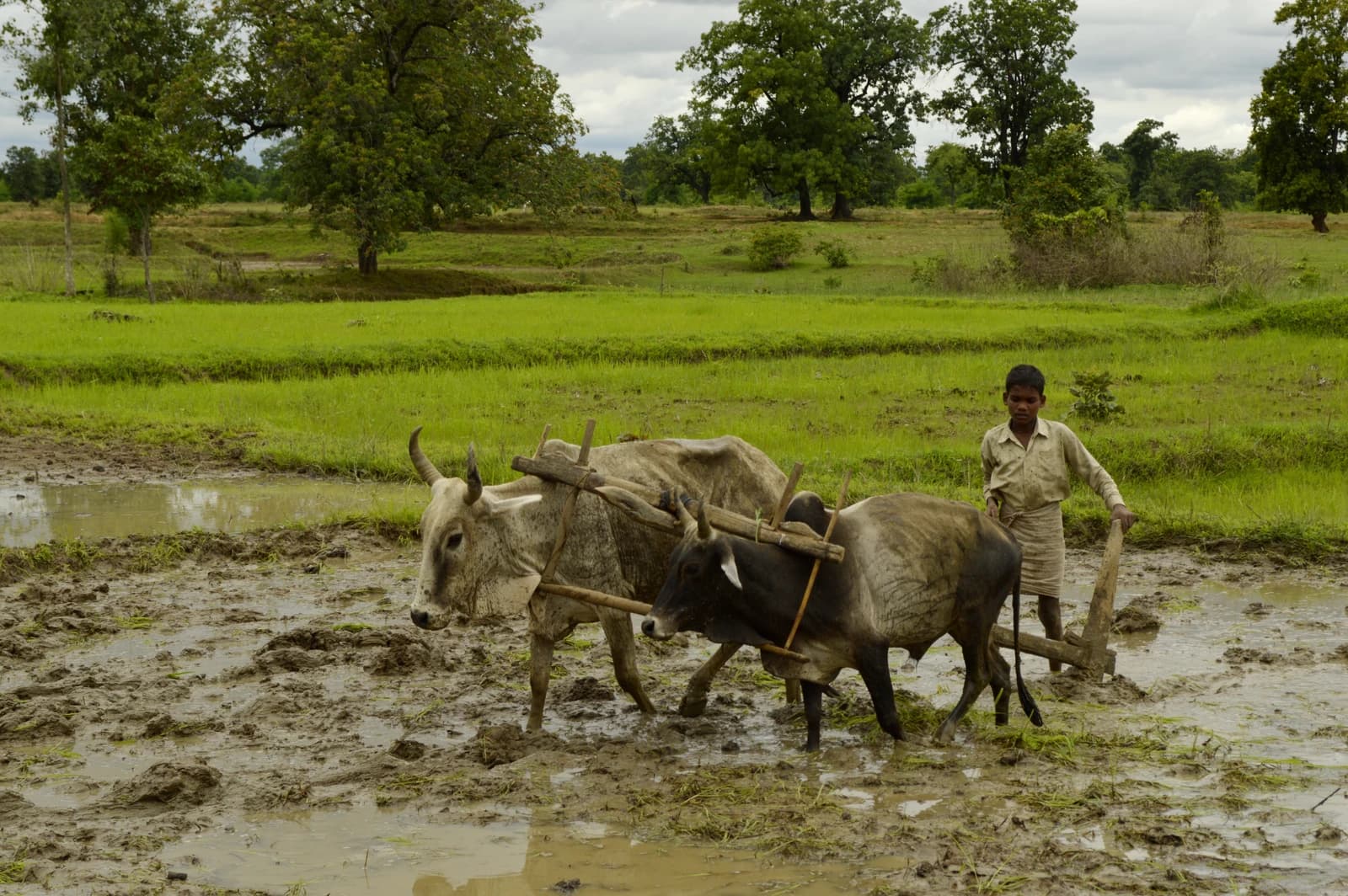
The plan matters because Madhya Pradesh already supplies more than 20% of India’s pulses output and is central to New Delhi’s effort to curb imports of a commodity India still buys heavily from overseas. By steering acreage toward chana, masoor, tur, urad and other low-water crops, the state is betting it can lift farm incomes, conserve water and strengthen domestic supply chains at the same time.
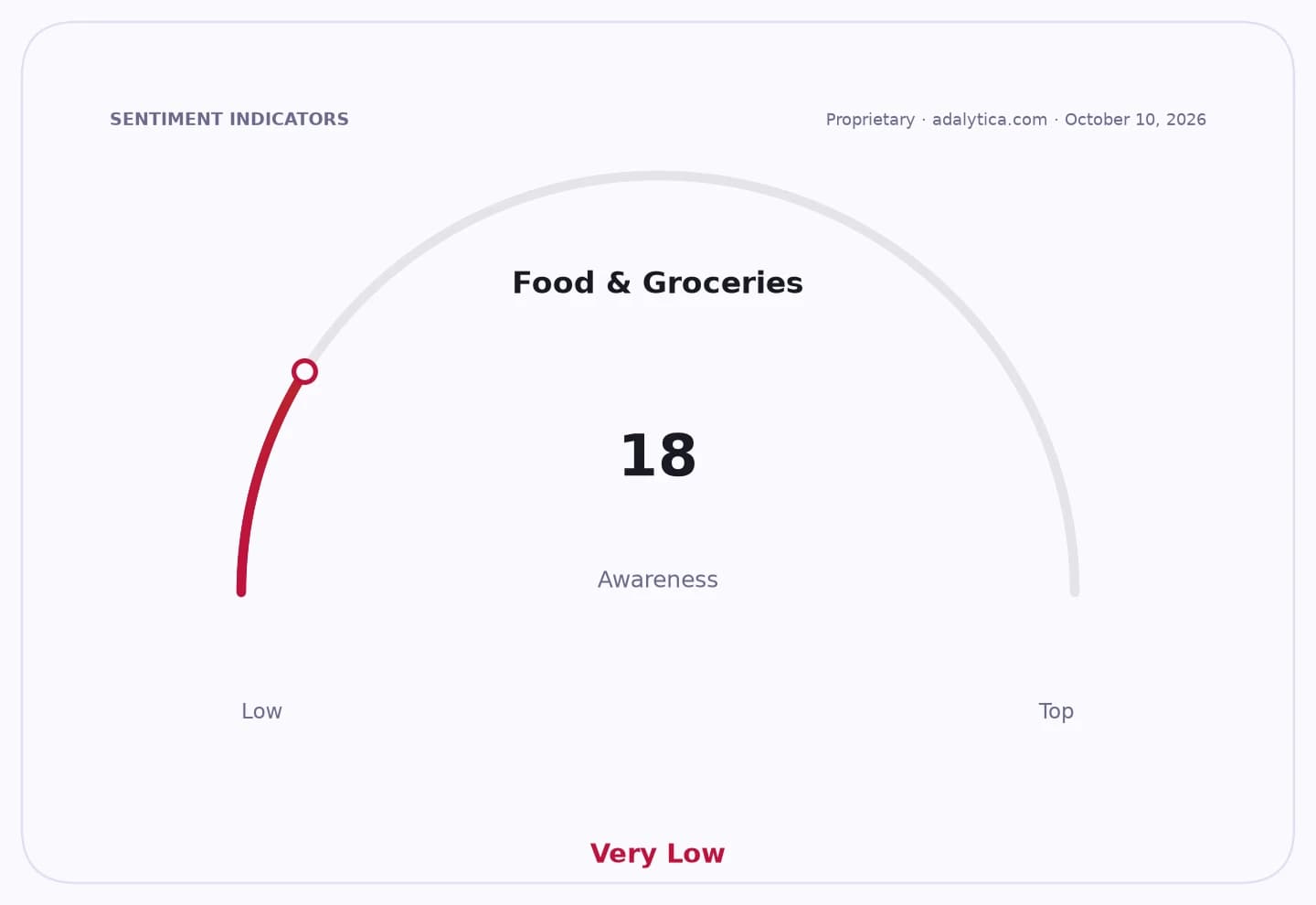
Sentiment IndicatorsⓘProprietary · adalytica.com · October 8, 2026
This is a snapshot — live sentiment, awareness and momentum for 130+ markets update continuously in the dashboard.Open AlphaPulse
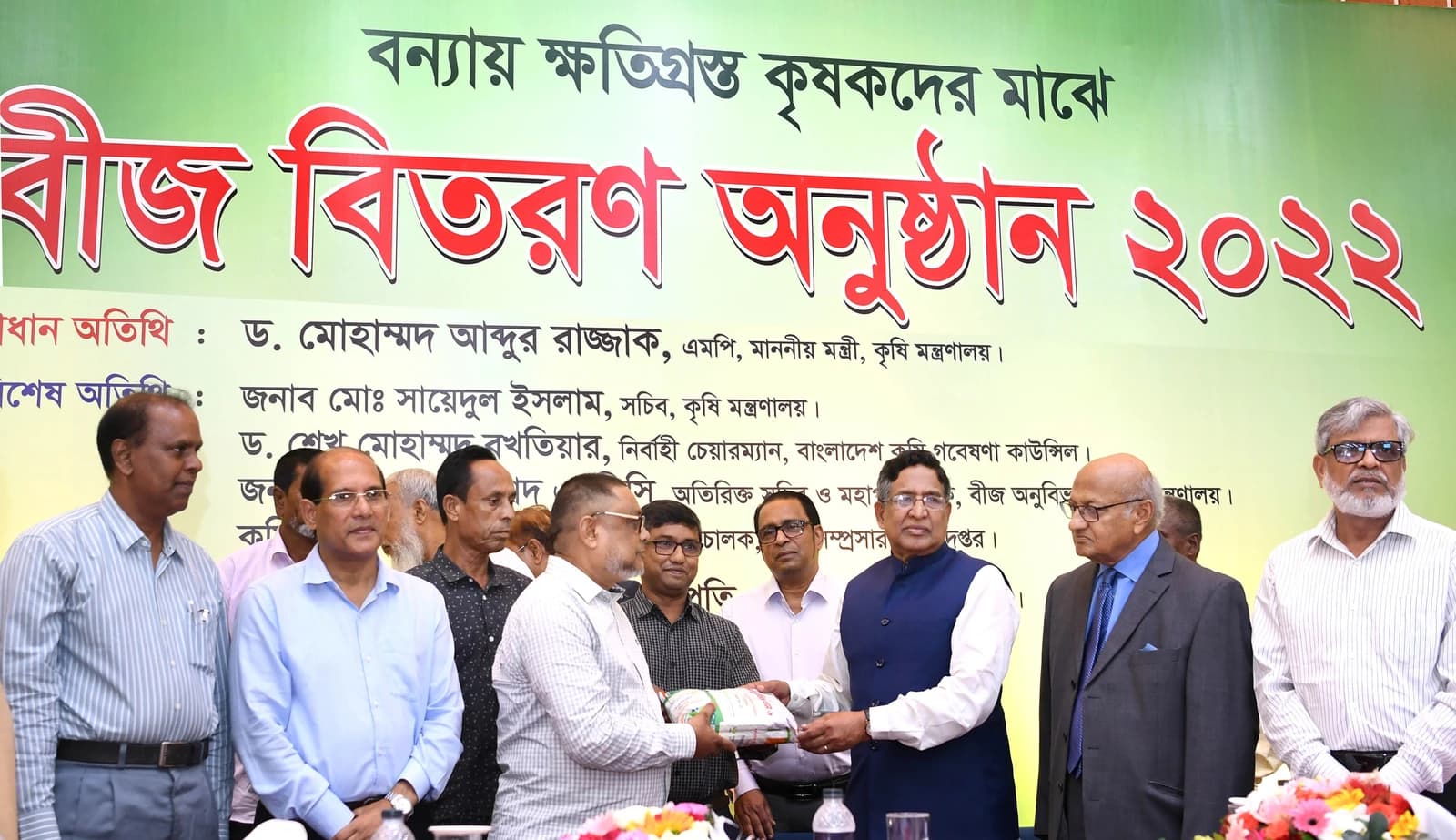
Under the pulse mission, the government plans to add 55 new dal mills and offer subsidies of up to ₹25 lakh for each unit, aiming to build processing capacity closer to production areas. That could improve price realization for farmers, reduce post-harvest losses and create local jobs in cleaning, milling and packaging.
The state also plans to back climate-resilient seeds, storage and technology-led supply management, while procurement will run through NAFED and NCCF under PM-AASHA price support norms for tur, urad and masoor. The buying assurance is critical: low and uncertain returns have long kept growers tied to rice and wheat even in regions where pulses fit better.
For investors, the biggest implication is a longer-term shift in India’s agri-commodity mix. A larger pulse base in Madhya Pradesh could pressure import dependence, support processing companies and cooperative procurement networks, and alter demand patterns for agri-inputs, irrigation-linked services and food-processing capacity.
The policy also lines up with the federal pulse mission of more than ₹11,000 crore, underscoring how crop diversification has become a macro policy priority as India balances food security, water stress and rural incomes. The next test is execution: whether procurement, mill capacity and seed availability arrive fast enough to persuade farmers to switch acreage before the next sowing cycle.
| Entity | Gains | Losses |
|---|---|---|
| Madhya Pradesh pulse farmers | ▲Assured procurement, better margins | ▼Less flexibility to stick with paddy-wheat |
| Dal mill operators | ▲Subsidies and new capacity | ▼Higher competition in processing |
| NAFED/NCCF | ▲Larger domestic supply pool | ▼More procurement burden |
| Rice/wheat growers and irrigation-heavy crops | ▲— | ▼Potential acreage loss |