Pakistan has moved to evaluate the use of rice planters to raise output and lower production costs in a sector that is central to farm incomes and export earnings, with officials saying the machinery could increase yields by as much as 15%.
Pakistan Evaluates Rice Planters to Lift Yields
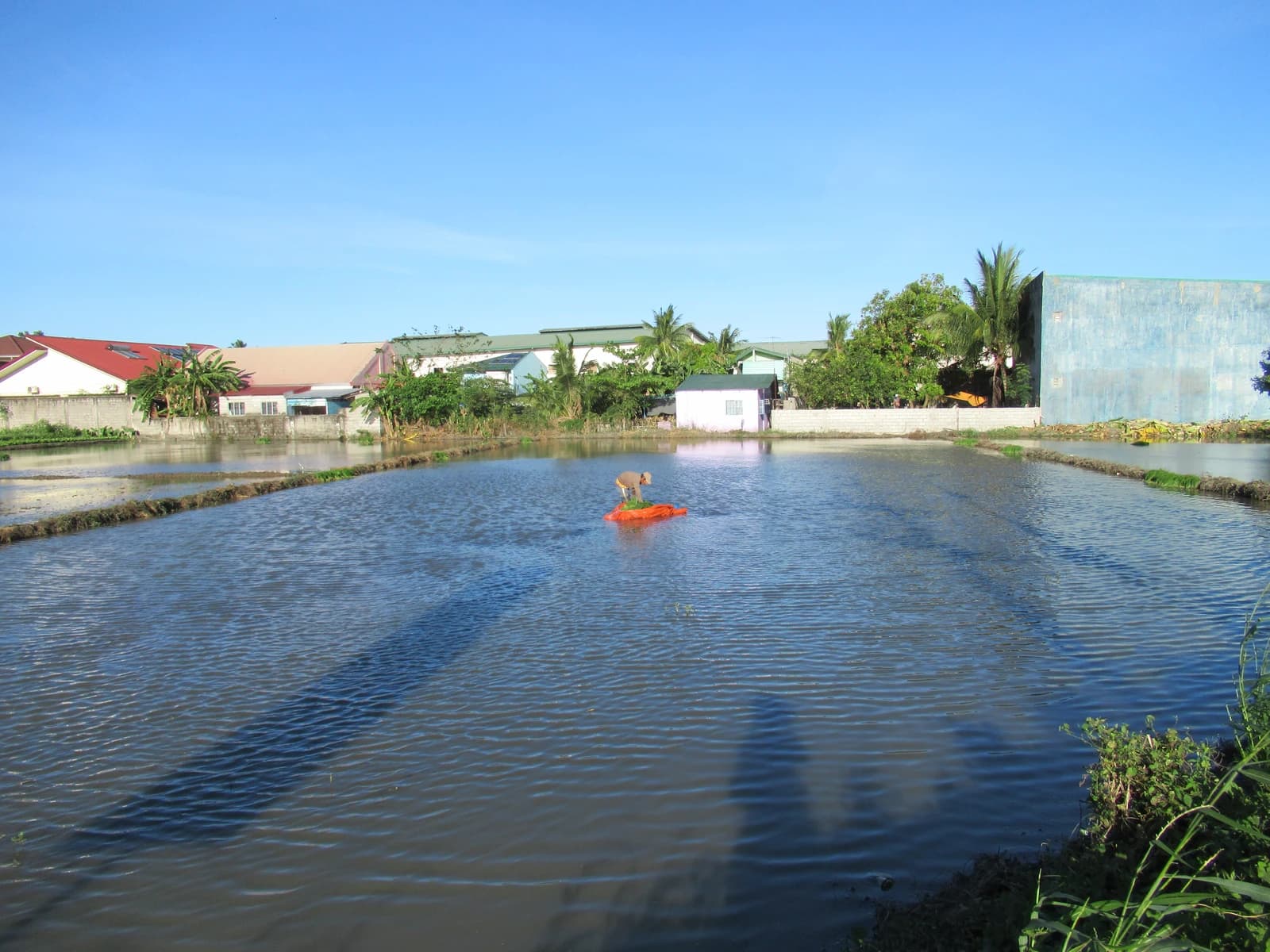
The decision matters because rice is one of Pakistan’s most important agricultural exports, and even modest efficiency gains can have an outsized effect on rural incomes, foreign-exchange receipts and the competitiveness of the country’s exporters. If the plan proves viable, it could help Pakistan protect market share in a rice trade increasingly shaped by tighter margins, higher input costs and competition from other Asian suppliers.
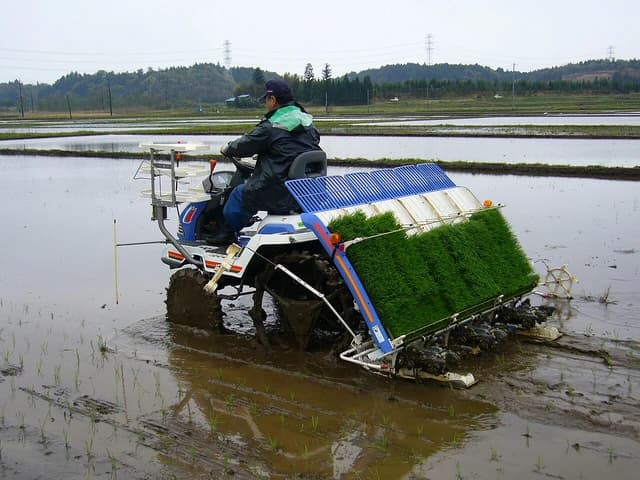
At a meeting chaired by Economic Affairs Minister Ahsan Iqbal, officials were told the use of rice planters could also reduce the cost of producing each kilogram of rice. The government has ordered a detailed feasibility study that will assess the economics of the project and its potential impact on exports, while also proposing a cost-sharing model between the federal and provincial governments and farmers.
That cost-sharing question is important. Mechanised transplanting requires upfront capital, maintenance and technical support, which means adoption will likely depend on whether the state can lower the entry barrier for smallholders. Pakistan’s rice sector is still dominated by fragmented farm structures, so the difference between a pilot programme and a national rollout will come down to financing, training and access to equipment.
The feasibility study is also expected to look at distribution of the planters among farmers, and the government plans to consult provincial authorities, rice exporters, the Engineering Development Board, private firms and other stakeholders. Officials said a technology-transfer programme should be included to train farmers, maintain machinery and provide technical support — an indication that policymakers see the issue not just as an equipment purchase, but as an effort to modernise production methods.
For investors and agri-equipment makers, the signal is broader than Pakistan alone. A successful mechanisation push would support demand for planting equipment, spare parts and servicing, while potentially improving the economics of export-oriented agriculture. Deere and AGCO, whose shares have been trading around their long-term averages after a period of volatility, stand to benefit indirectly if similar mechanisation trends spread across emerging-market rice producers, though adoption would likely be uneven and dependent on local subsidy structures.
The bull case is straightforward: better yields, lower per-unit costs and stronger export competitiveness. The bear case is equally clear: weak implementation, financing constraints and inadequate farmer training could leave the programme on paper while adding little to actual output. The next catalyst is the feasibility study, which will determine whether Pakistan treats rice planters as a pilot reform or a broader industrial policy for agriculture.
| Entity | Gains | Losses |
|---|---|---|
| Pakistani rice farmers | ▲Higher yields, lower costs | ▼Upfront adoption burden |
| Rice exporters | ▲Better competitiveness | ▼Margin pressure if rollout stalls |
| Equipment suppliers | ▲New machinery demand | ▼Slow procurement cycles |
| Smaller traditional operators | ▲Potential access to modern tools | ▼Disruption from mechanisation |