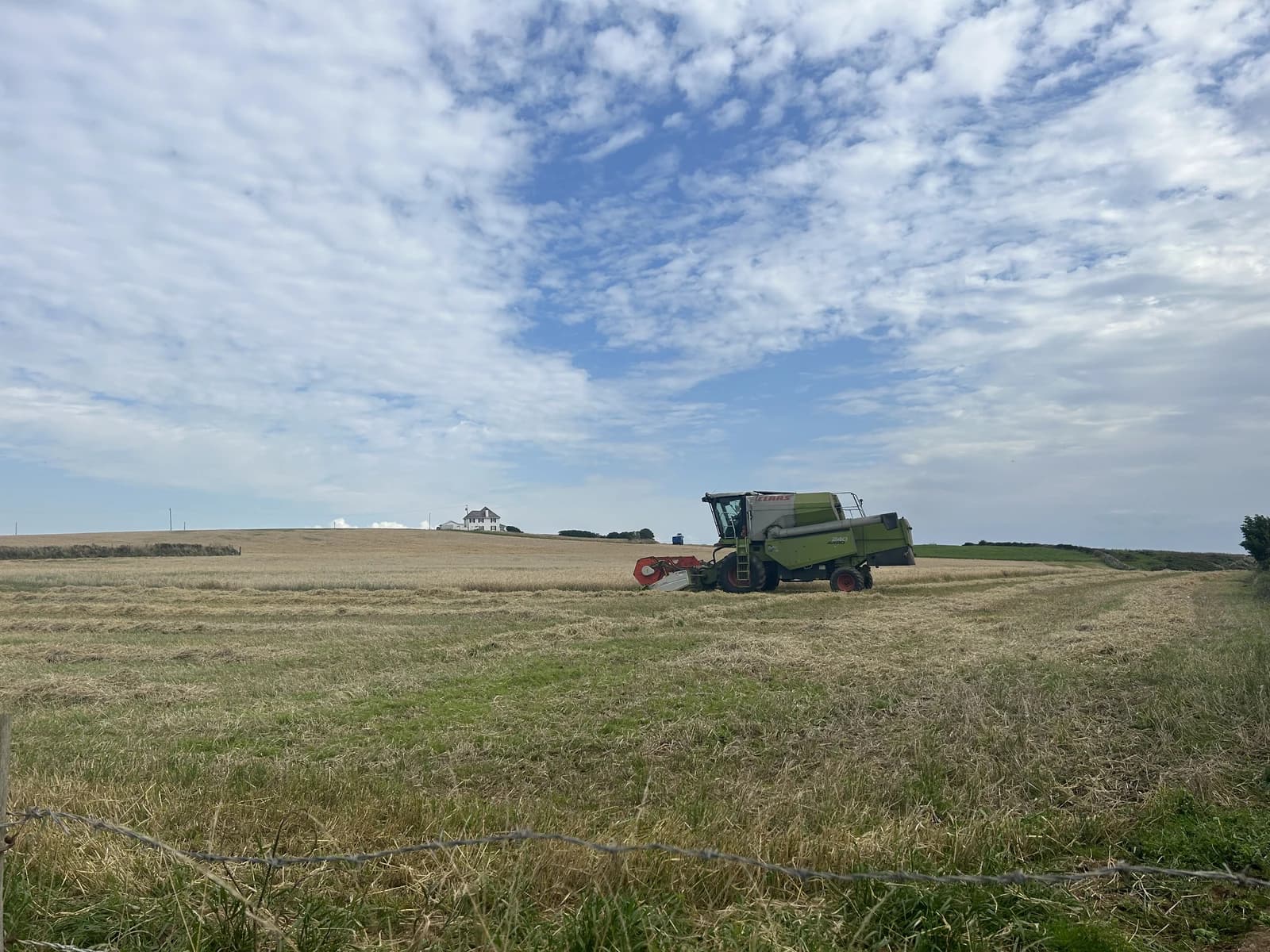
Punjab’s agriculture department has told farmers in rain-fed areas to sow wheat between Oct. 15 and Nov. 15, a timing that matters because the next planting window will help determine yields, household incomes and local grain supply in a year when food prices and farm input costs remain under pressure.
Punjab wheat sowing window set for rain-fed farmers
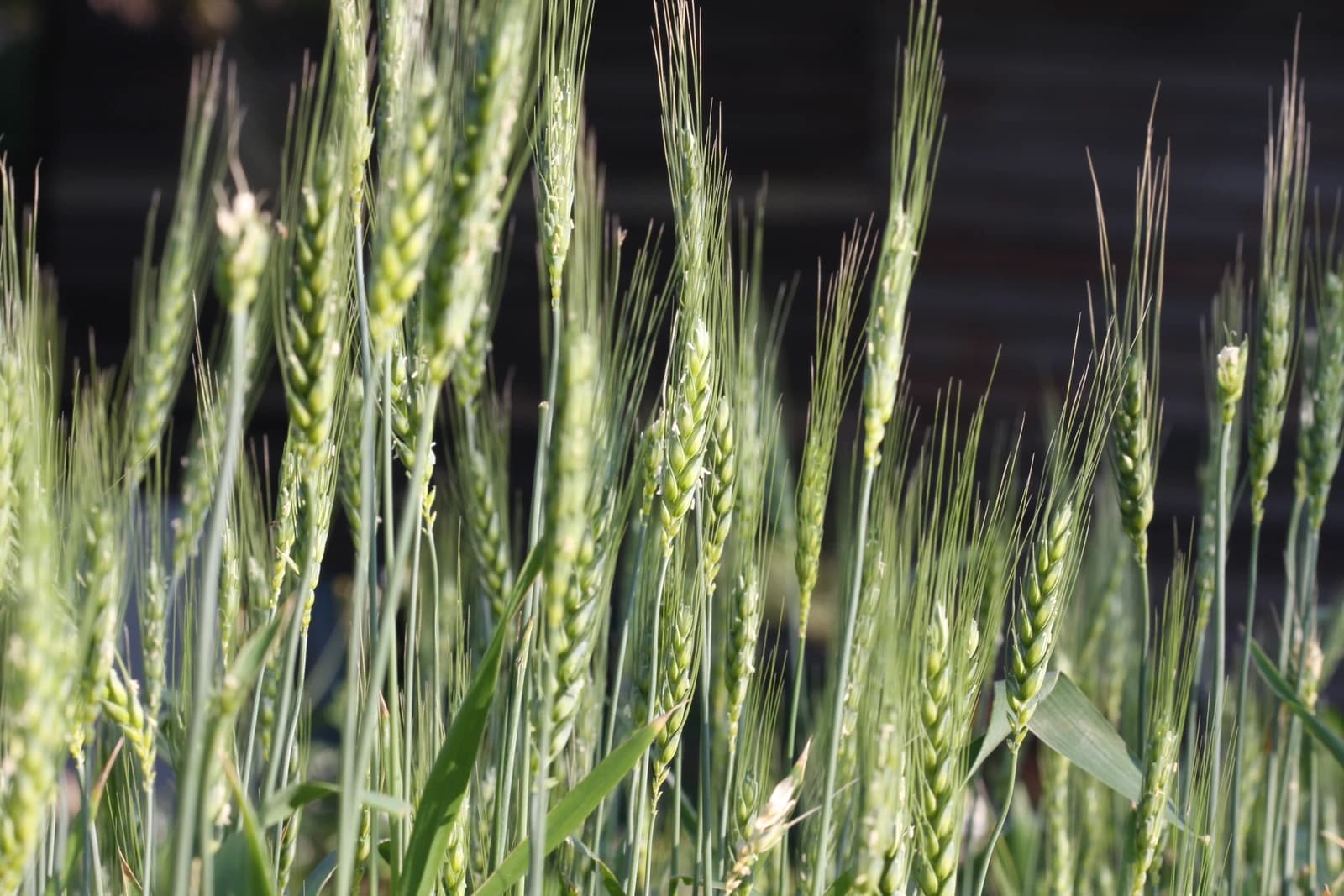
The guidance is straightforward, but economically important: wheat is Pakistan’s staple crop, and in barani areas, getting the sowing date right can be the difference between an average crop and a weak one. The department is urging growers to use certified seed from approved varieties including Shiraz-23, Urooj-22, Nishan-21, MA-21, Markaz-19, Barani-17, Fateh Jang-16 and Pakistan-13, and to plant 40 to 50 kilograms per acre with germination of at least 85%.
For farmers, that advice is about more than agronomy. Better seed and proper timing can lift per-acre output, reduce the risk of crop failure and improve cash flow for growers already facing tighter margins. For the broader economy, stronger wheat yields help support food security and can limit pressure on government procurement and imports if domestic supply comes in short. In a country where wheat remains politically sensitive, even a modest lift in production has ripple effects for inflation and rural incomes.
The timing also matters because wheat planting is being set against a backdrop of volatile global agricultural markets and stubborn inflation. International crude has swung sharply this year, feeding into fertilizer, transport and irrigation costs, while consumer prices remain well above levels that would ease strain on households. That makes efficiency in the wheat belt even more valuable: every incremental gain in output lowers the risk that Pakistan will need to lean more heavily on imported grain later.
The department’s reminder to treat seed with recommended pesticide before sowing also highlights a second-order issue investors and policymakers should not miss: crop protection and certified-input demand can rise when farmers are pushed to protect margins. That supports seed suppliers, agrochemical distributors and agricultural service providers tied to the wheat cycle, while leaving growers using uncertified seed or poor timing exposed to lower yields and higher losses.
The bigger narrative is that the wheat season is not just a farming calendar item; it is a policy-sensitive inflation and food-supply event. If rain-fed growers follow the recommended window and input guidance, Pakistan improves its odds of a steadier harvest and less price pressure into next year. If they miss the window, the cost will show up not just on farms, but in grocery bills and government budgets.
| Entity | Gains | Losses |
|---|---|---|
| Punjab farmers using certified seed | ▲Higher yields | ▼Lower crop risk |
| Seed and agrochemical suppliers | ▲Stronger input demand | ▼N/A |
| Consumers | ▲Better wheat supply | ▼Price pressure eases less |
| Farmers sowing late or with poor seed | ▲N/A | ▼Lower output |