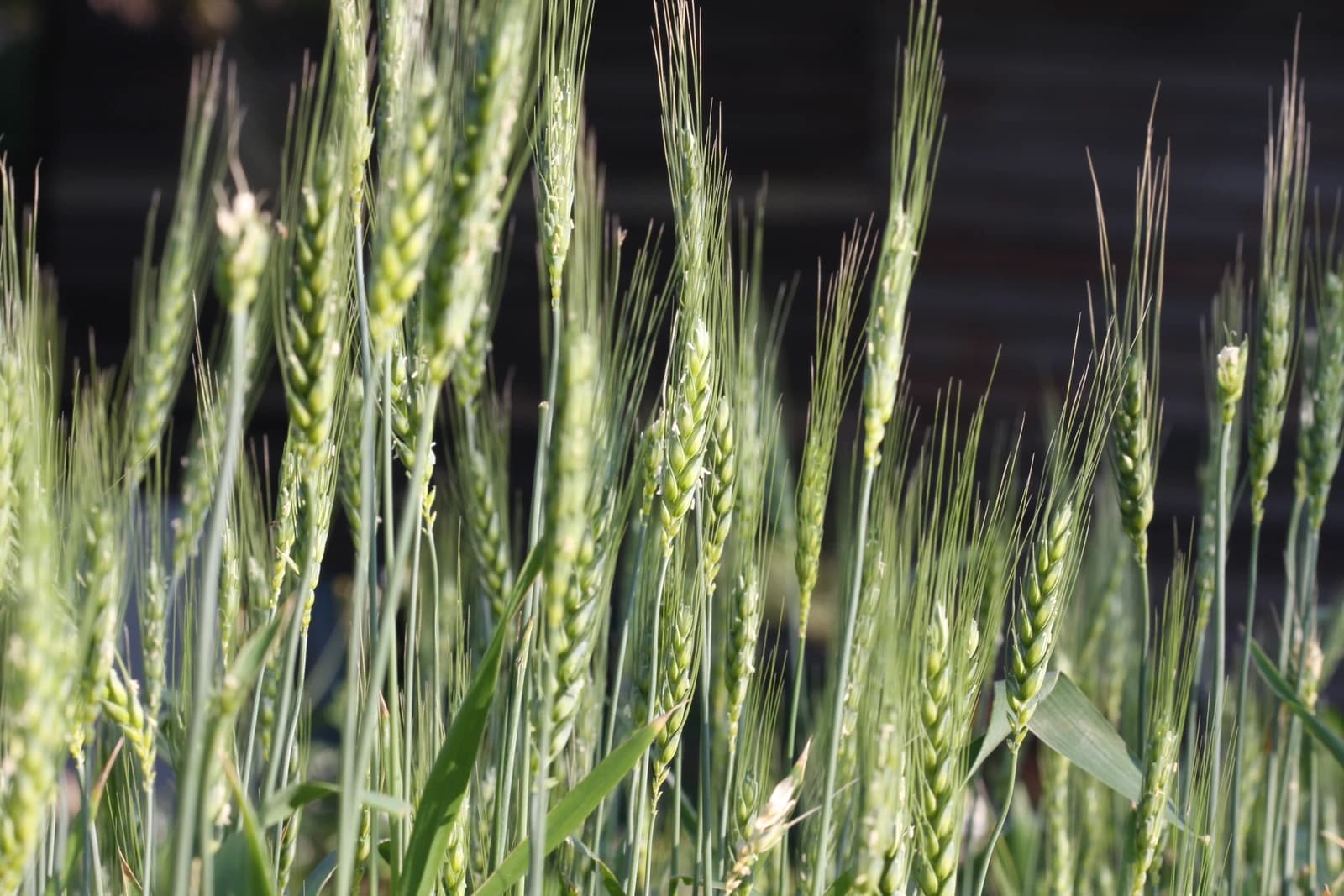
Wheat seed production will move into villages across Gopalganj this rabi season, with the district agriculture department planning to cover farmers in 1,559 of the 1,566 villages under a scheme designed to lift local seed availability and support winter crop planting.
Gopalganj to expand wheat seed production in villages
The programme matters because seed is the first bottleneck in the wheat cycle: if farmers get timely access to quality base seed at a steep subsidy, the odds improve that acreage is planted on time and yields hold up. For a district that relies heavily on smallholders, the move also reduces dependence on outside seed suppliers and lowers the upfront cash burden just as the state and central governments are trying to sustain wheat output.
Under the plan, two farmers will be selected from each village and trained by the agriculture department to produce wheat seed locally. The selected growers will receive base seed at a 90% subsidy, while the department will distribute 623 quintals of seed for production. Officials are also preparing a parallel push to produce chickpea, lentil and pea seeds in villages, extending the same subsidy model beyond wheat.
The timing fits a broader policy backdrop in which India is leaning on procurement support and input subsidies to protect farm incomes and stabilize grain supplies. The central government has already raised the minimum support price for wheat by ₹25 per quintal, a modest increase in absolute terms but one that reinforces the incentive to plant. At the same time, international wheat markets have been reacting to tighter export expectations and logistics bottlenecks in some regions, keeping attention on supply reliability rather than just price.
For farmers in Gopalganj, the immediate benefit is lower input cost and better access to certified seed. For the state, the upside is a more distributed seed network that can improve resilience in future seasons. The risk is execution: the programme will only matter if training, quality control and distribution happen on time and at scale. If that works, the scheme could become a useful model for other eastern districts looking to raise self-sufficiency in wheat and other rabi crops.
| Entity | Gains | Losses |
|---|---|---|
| Gopalganj farmers | ▲Subsidised seed, training | ▼Less dependence on market seed |
| Agriculture department | ▲Wider seed network | ▼Higher subsidy outlay |
| Seed suppliers | ▲Higher rural demand for inputs | ▼Some displacement by local production |
| Wheat consumers/policy makers | ▲Better supply stability | ▼Execution risk if rollout slips |