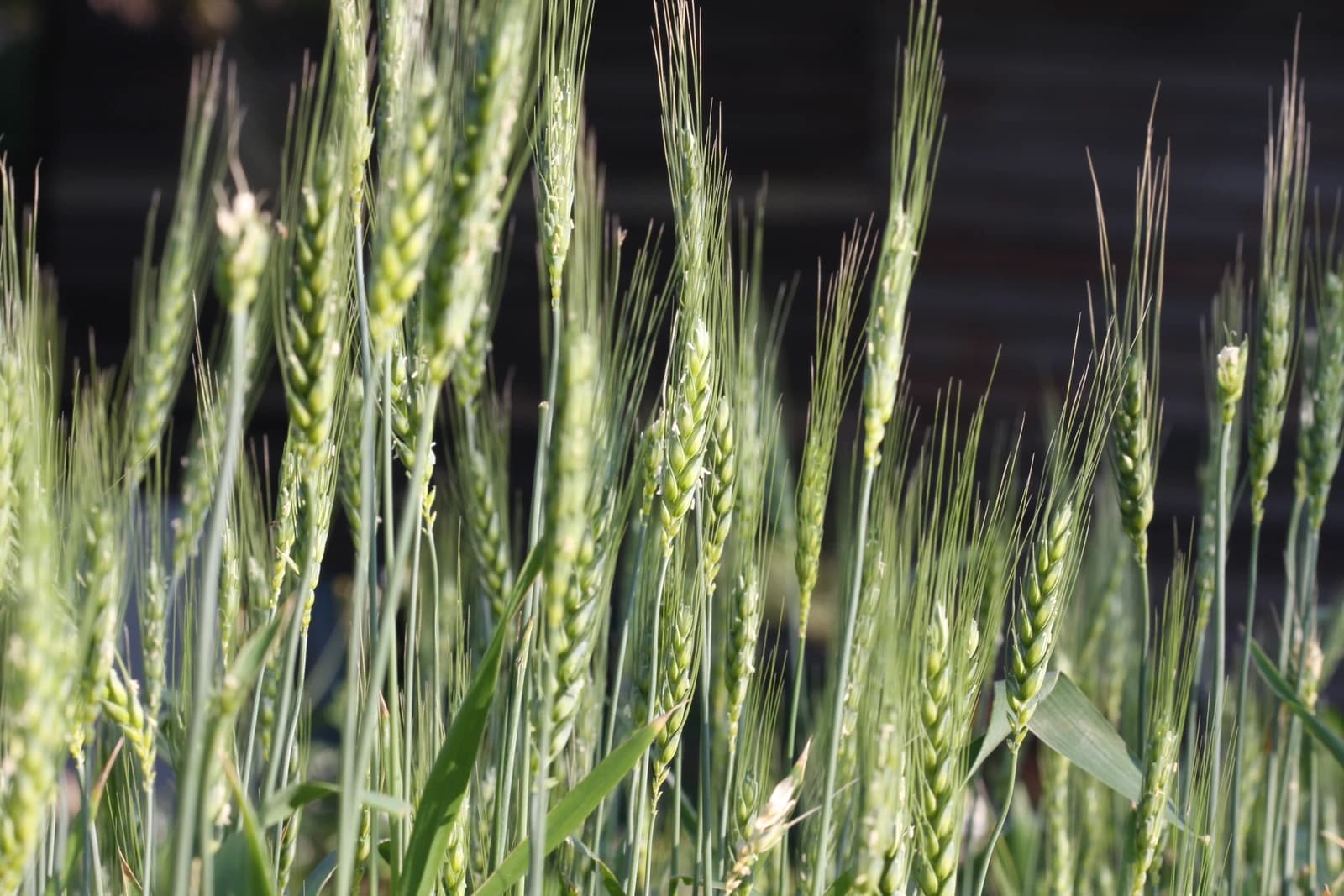
A young farmer in Telangana’s Adilabad district is turning to turmeric instead of the region’s usual cotton and soybean, a small but telling sign of how crop diversification is becoming an economic hedge as volatile weather and input costs squeeze farm incomes.
Telangana farmer shifts from cotton to turmeric
For Bharat, from Pitgaon village in Bela mandal, the choice is practical as much as experimental. Cotton and soybean dominate local acreage, but they also expose farmers to price swings, pest attacks, and the kind of weather shocks that have been hitting western and central India’s rain-fed belts. Turmeric offers a different risk profile: it requires more careful agronomy, but it can give growers an alternative revenue stream and reduce dependence on a single kharif crop.
That matters economically because monoculture has left many farmers vulnerable to a narrow set of outcomes. When rainfall is erratic or pests hit, the downside is amplified if the entire holding is tied to one crop. A shift toward turmeric, horticulture and other alternatives can improve resilience, particularly in districts where cotton and soybean have become default choices more by habit than by profitability.
The broader context is worsening for soybean growers in neighboring Maharashtra, where drought in Marathwada is threatening the kharif crop and raising the risk of significant losses. That makes Bharat’s move more than a personal experiment: it reflects a wider rethinking among farmers facing climate stress, higher fertilizer and labor costs, and uneven market realization for staple cash crops.
Investor relevance is indirect but real. Agricultural commodity demand, seed companies, agri-input suppliers, storage and processing firms, and rural lenders all benefit or suffer depending on whether farmers concentrate in a few vulnerable crops or spread risk across alternatives. A rise in diversification can support turmeric supply chains and related processing capacity, while reducing exposure to cotton and soybean price shocks.
The bull case is that better crop mix decisions can lift farm incomes and lower credit stress over time. The bear case is that switching crops without assured local agronomy, water access and market linkage can simply replace one risk with another. For now, Bharat’s field is a reminder that in drought-prone farm belts, the smartest investment may be the one that breaks from what everyone else is planting.
| Entity | Gains | Losses |
|---|---|---|
| Bharat and similar early adopters | ▲Lower crop-concentration risk | ▼Upfront agronomy uncertainty |
| Turmeric value chain | ▲More planting interest | ▼Supply-chain strain if adoption jumps |
| Cotton and soybean growers | ▲Diversification awareness | ▼Less acreage if shift broadens |
| Input lenders and advisers | ▲Demand for crop planning | ▼Exposure to weather-hit monocultures |