Egypt’s agriculture ministry has moved to maximum readiness for the winter planting season, securing certified wheat seeds and other inputs early in a bid to protect food supplies and support farmers as global grain markets stay tight.
Egypt Agriculture Ministry Prepares Winter Wheat Planting
The push matters because wheat remains Egypt’s most strategically important crop, and timely access to seed, fertilizer and advisory support can determine how much land gets planted and how much grain the country ultimately imports. Any improvement in local output can ease pressure on foreign-exchange reserves and blunt the impact of volatile global wheat prices.
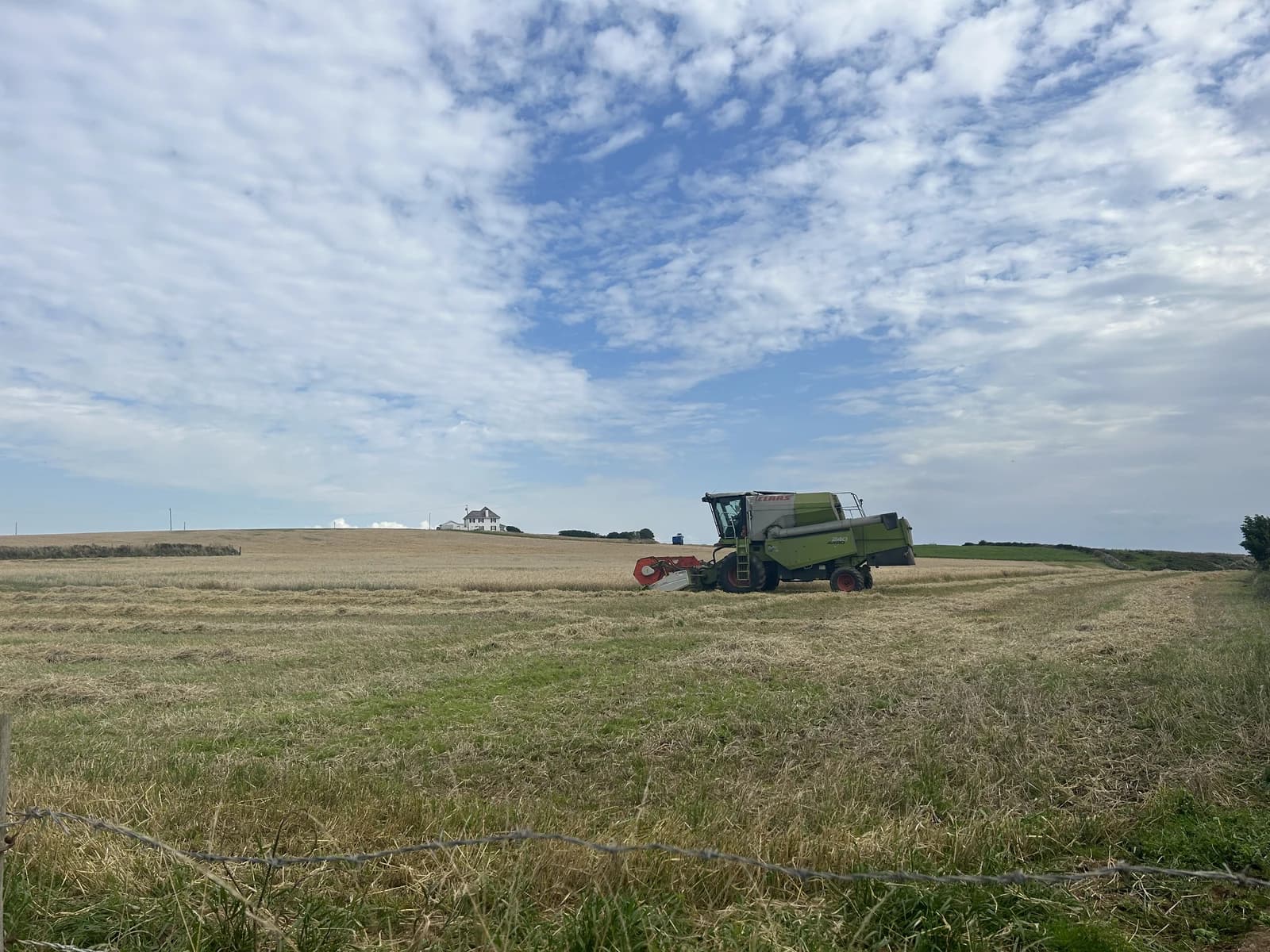
Agriculture Minister Alaa Farouk said the ministry has started its field plan for the new winter season and is deploying certified, high-yield seeds that are more resilient to climate change through approved outlets and agricultural associations. Officials are also directing farmers to follow the crop map for each governorate, aimed at lifting per-feddan yields and matching varieties to soil and weather conditions.
The ministry said fertilizer deliveries will be managed through the digital “Fad al-Falah” system, with tighter inspections on warehouses and associations to curb leakage and illegal diversion of subsidized inputs. It also said research and extension teams will go directly into the fields to promote laser leveling and planting on ridges, techniques intended to cut irrigation use and lower production costs.
The timing is notable as wheat prices in Europe have extended gains on improved export prospects and supply disruptions in the Black Sea region, while market watchers keep a close eye on weather and export flows. That backdrop gives Egypt more reason to lock in planting inputs early, especially with winter sowing approaching and import markets still sensitive to geopolitical risk.
The ministry is also expanding contract farming for several winter crops, offering guaranteed prices to encourage larger planted areas, while maintaining restrictions on encroachment on farmland and cutting off support to illegally converted plots. For investors, the story underscores continued demand for seeds, fertilizers, irrigation efficiency tools and agricultural services across the region, while keeping wheat traders focused on planting decisions and supply conditions into the season.
| Entity | Gains | Losses |
|---|---|---|
| Egyptian farmers | ▲Certified seeds; fertilizer access | ▼Input delays; higher costs |
| Egypt’s agriculture ministry | ▲Better planting compliance | ▼Execution risk if logistics slip |
| Seed and fertilizer suppliers | ▲Higher seasonal demand | ▼Scrutiny on distribution margins |
| Wheat importers and traders | ▲Clearer planting outlook | ▼Further supply tightness if output lags |