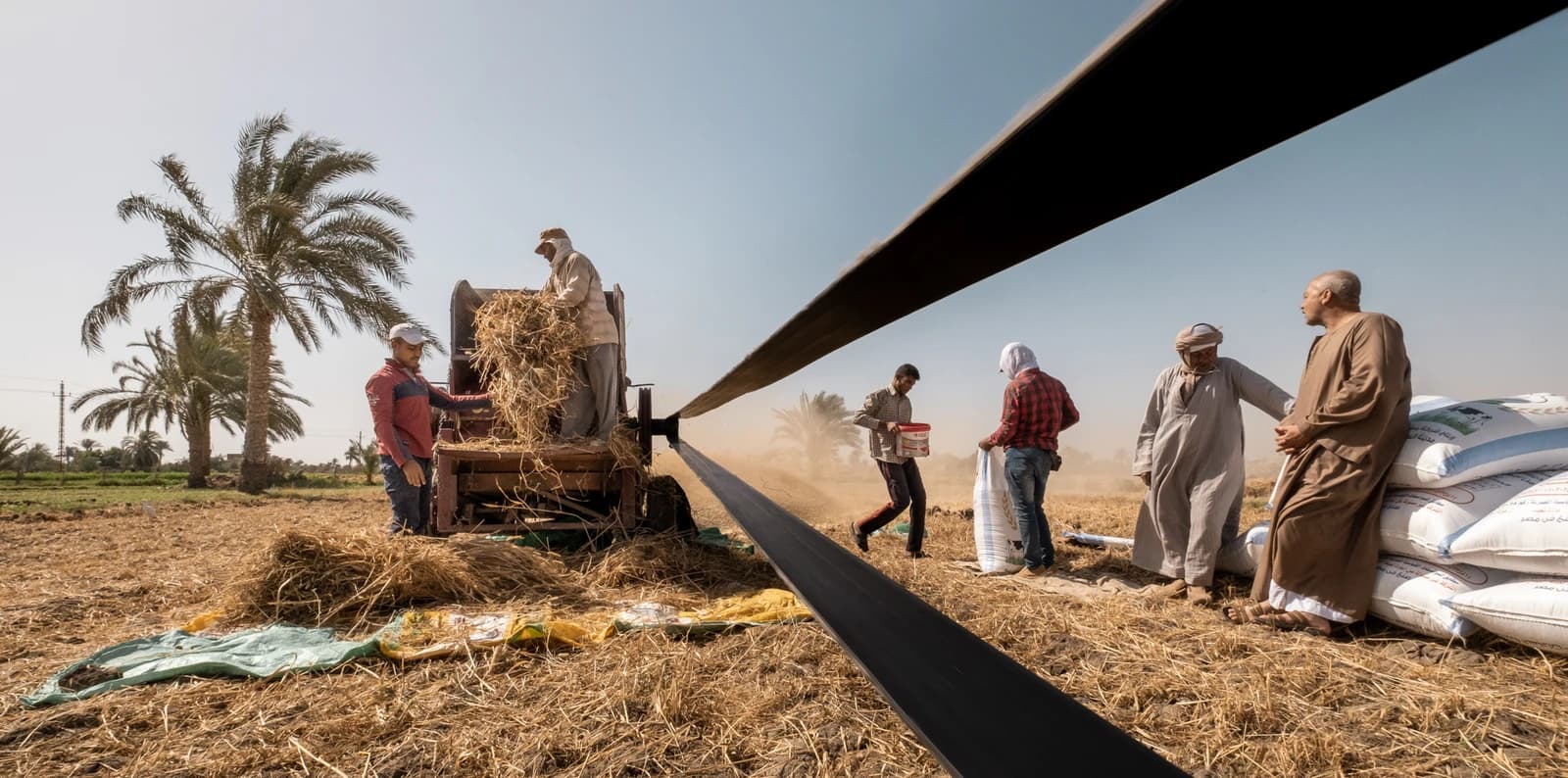
South Africa is set to buy more wheat from abroad this year as domestic production falls short of demand, making the country more dependent on global supply just as wheat markets remain sensitive to weather, prices and trade flows.
South Africa to import more wheat amid shortfall
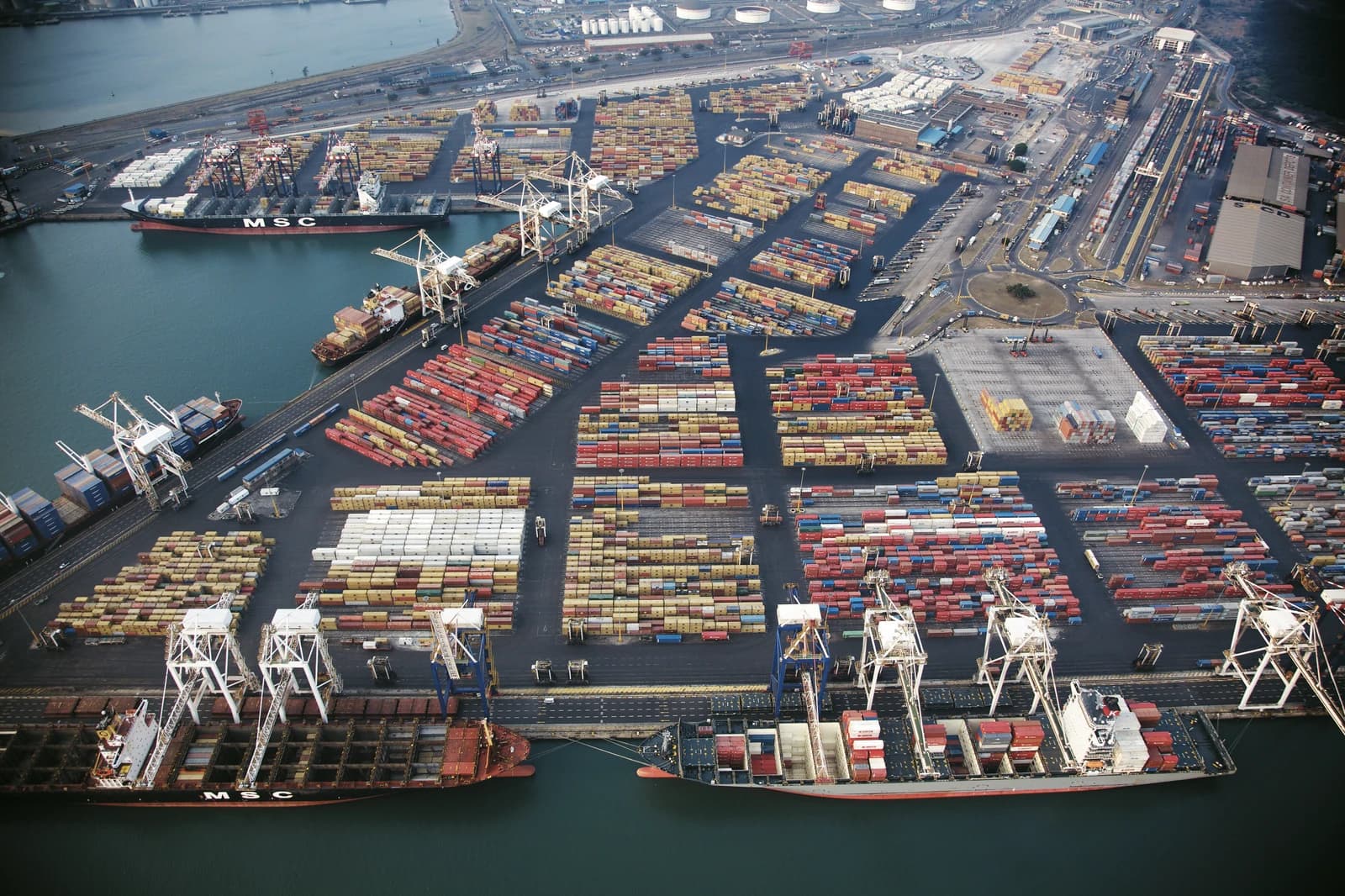
That matters because wheat is a staple input for South Africa’s food chain, and a larger import bill can feed through to flour costs, bread prices and broader food inflation. For a country that already imports a significant share of its wheat, any additional shortfall widens exposure to freight costs, exchange-rate moves and volatility in export markets.
Sentiment IndicatorsⓘProprietary · adalytica.com · October 7, 2026
This is a snapshot — live sentiment, awareness and momentum for 130+ markets update continuously in the dashboard.Open AlphaPulse
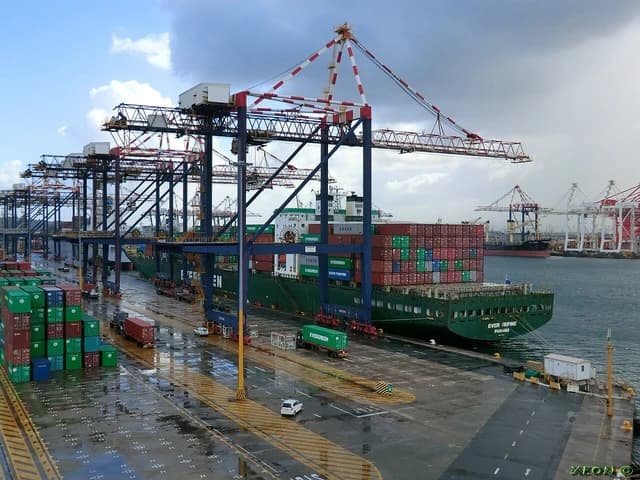
The shift comes as the global wheat market is trying to stabilize, with export prospects improving in parts of Europe even as other producers face quality and weather-related challenges. That uneven backdrop leaves importers competing for supply at a time when regional demand is also changing, including expectations that Egypt will trim its wheat imports by about 23% in the 2026-27 season on stronger local production.
For investors, the story is less about one cargo and more about what it says on food inflation risk across emerging markets. South Africa’s need for extra wheat imports raises the odds of higher local grain procurement costs and keeps pressure on consumer staples margins, while also strengthening the case for trading in wheat-linked assets when supply tightens. The Teucrium Wheat Fund, which tracks wheat prices, has been trading above both its 50-day and 200-day moving averages in recent sessions, though momentum has eased from earlier highs.
Broader commodity signals are mixed. Brent-like crude benchmarks have swung sharply, and U.S. inflation expectations remain elevated, which can keep pressure on shipping, fertilizer and processing costs across the food chain. Adalytica’s Food and Grocery Spending Sentiment is at an “Extreme Greed” reading, suggesting consumers are still absorbing higher food costs, but that may leave less room for retailers and millers to offset imported grain inflation.
The key test now is whether South African buyers can secure enough wheat at manageable prices before tighter local stocks filter into retail food inflation later this year.
| Entity | Gains | Losses |
|---|---|---|
| Global wheat exporters | ▲Higher demand from South Africa | ▼Inventory pressure if supply tightens |
| South African importers | ▲Access to needed supply | ▼Higher procurement and freight costs |
| Food retailers and millers | ▲Volume protection | ▼Margin squeeze from pricier wheat |
| Consumers in South Africa | ▲Steady bread/flour availability | ▼Higher food inflation |