September’s record wheat exports show how quickly the world’s grain trade is re-pricing around the Black Sea, and that shift matters for farmers, traders and food costs far beyond Argentina.
Argentina Wheat Exports Hit Record in September

Argentina shipped more than 1.05 million metric tons of wheat in September, the highest level ever for that time of year, according to a Rosario grains exchange report based on NABSA data. That pushed cumulative shipments to more than 16.2 million tons, also a record, with the 2025/26 marketing year already more than 90% sold against an 18 million-ton export estimate.
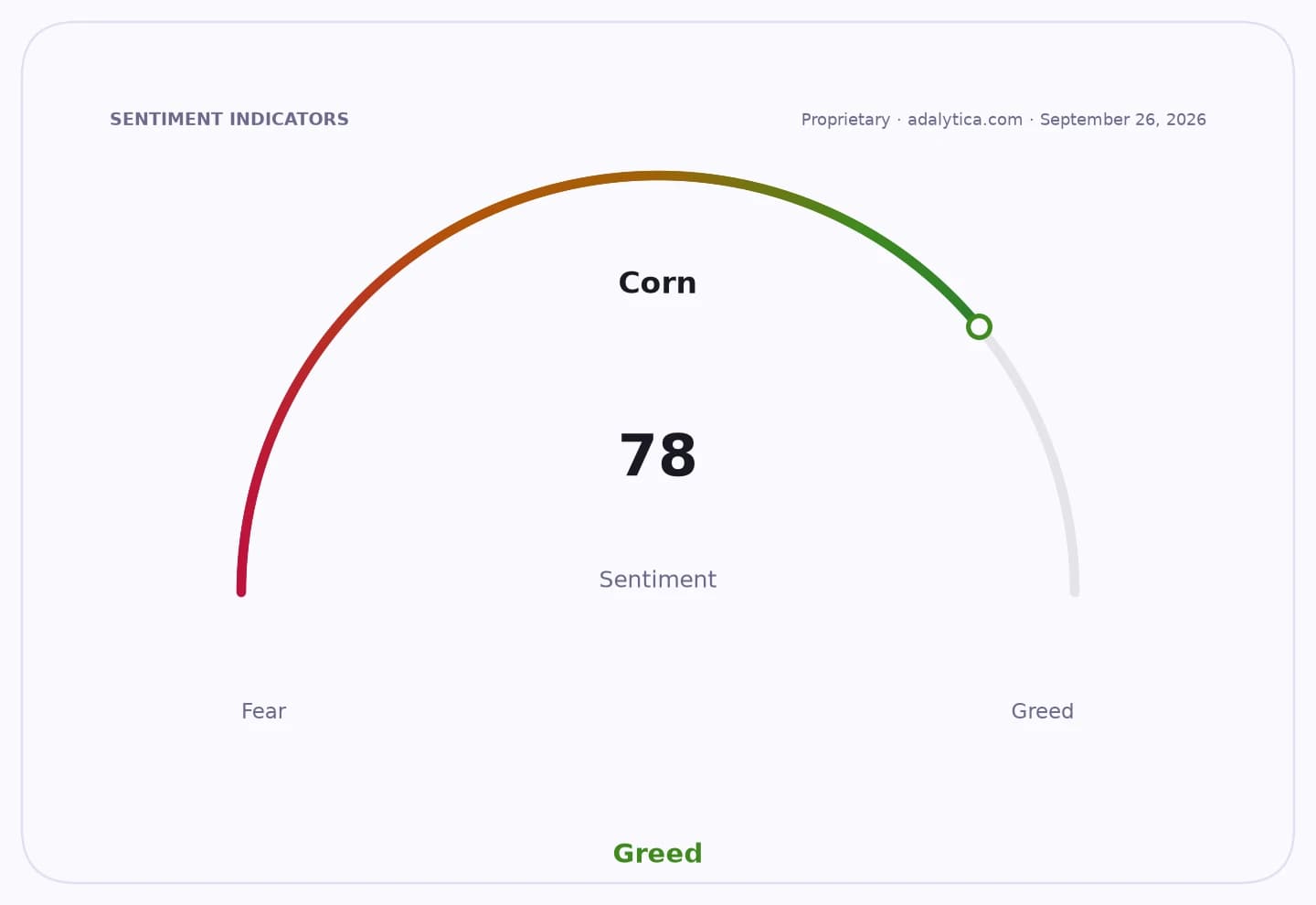
Sentiment IndicatorsⓘProprietary · adalytica.com · October 7, 2026
This is a snapshot — live sentiment, awareness and momentum for 130+ markets update continuously in the dashboard.Open AlphaPulse
The economic significance is bigger than one strong month. Argentina is stepping into a supply gap just as Russia and Ukraine, two of the world’s most important exporters, are sending far less wheat than usual because of the war and renewed shipping disruptions in the Black Sea. September exports from those origins were about 80% below their typical seasonal pace, while attacks on vessels and logistical bottlenecks are adding fresh uncertainty to global supply routes.
That matters because wheat is not just another soft commodity; it is a benchmark for food inflation and a direct input for millers, bakers and importers across emerging markets. When the market loses confidence in Black Sea flows, buyers pay up for alternative origins, and that premium is now flowing toward Argentina. The Rosario report said 43% of September shipments went to Asia, much of it to Indonesia, underscoring how Southeast Asian buyers are diversifying supply as they lock in coverage.
For investors, the setup is a reminder that grain prices are being driven less by normal seasonal patterns and more by geopolitics and logistics. European wheat prices have already been climbing on Black Sea concerns, and the Argentine export surge reinforces the case for persistent strength in global wheat benchmarks and freight-sensitive agriculture names. It also supports the broader thesis that the winners in this market are the exporters with available supply and the infrastructure to move it, not the regions caught in conflict or export disruption.
The forward curve in Argentina shows the same story. The market has flipped from a rare positive carry structure to a negative spread between spot and deferred prices, with the gap moving from 28% in mid-July to -14% now as nearby supply tightened and deferred contracts weakened with international prices. That is classic late-cycle export pressure, and it tells us the remaining 1.8 million tons of Argentine wheat still to be sold is likely to find a ready market if Black Sea uncertainty persists into year-end.
The message for investors is straightforward: the market is underestimating how durable this rerouting of wheat trade could be. That creates an opportunity in global grain exporters, shipping and agricultural logistics, while keeping pressure on import-dependent food buyers and countries exposed to higher staple costs.
| Entity | Gains | Losses |
|---|---|---|
| Argentina wheat exporters | ▲Record sales volumes | ▼Limited leftover crop to market |
| Asian millers/importers | ▲Alternative supply source | ▼Higher procurement costs |
| Black Sea exporters | ▲— | ▼Lost market share, disrupted flows |
| Global wheat bulls | ▲Firmer prices, tighter supply | ▼— |