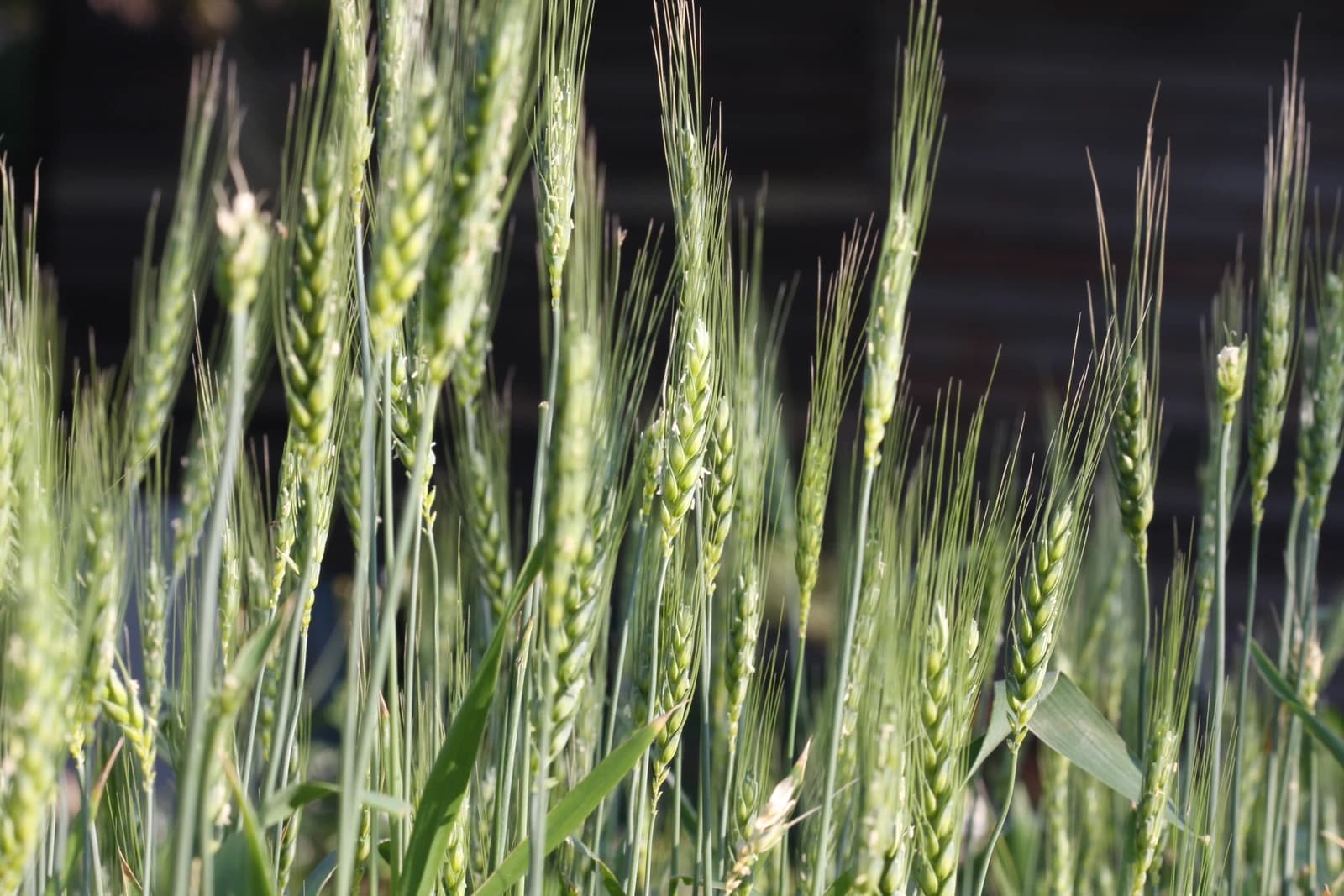
India’s decision to lift the minimum support price for wheat to ₹2,610 per quintal is the most important development for the grain market, because it sets a firmer floor under farm incomes just as buyers in places like Surat are still paying up for quality wheat at around ₹15 a kilogram.
India raises wheat MSP to ₹2,610 per quintal
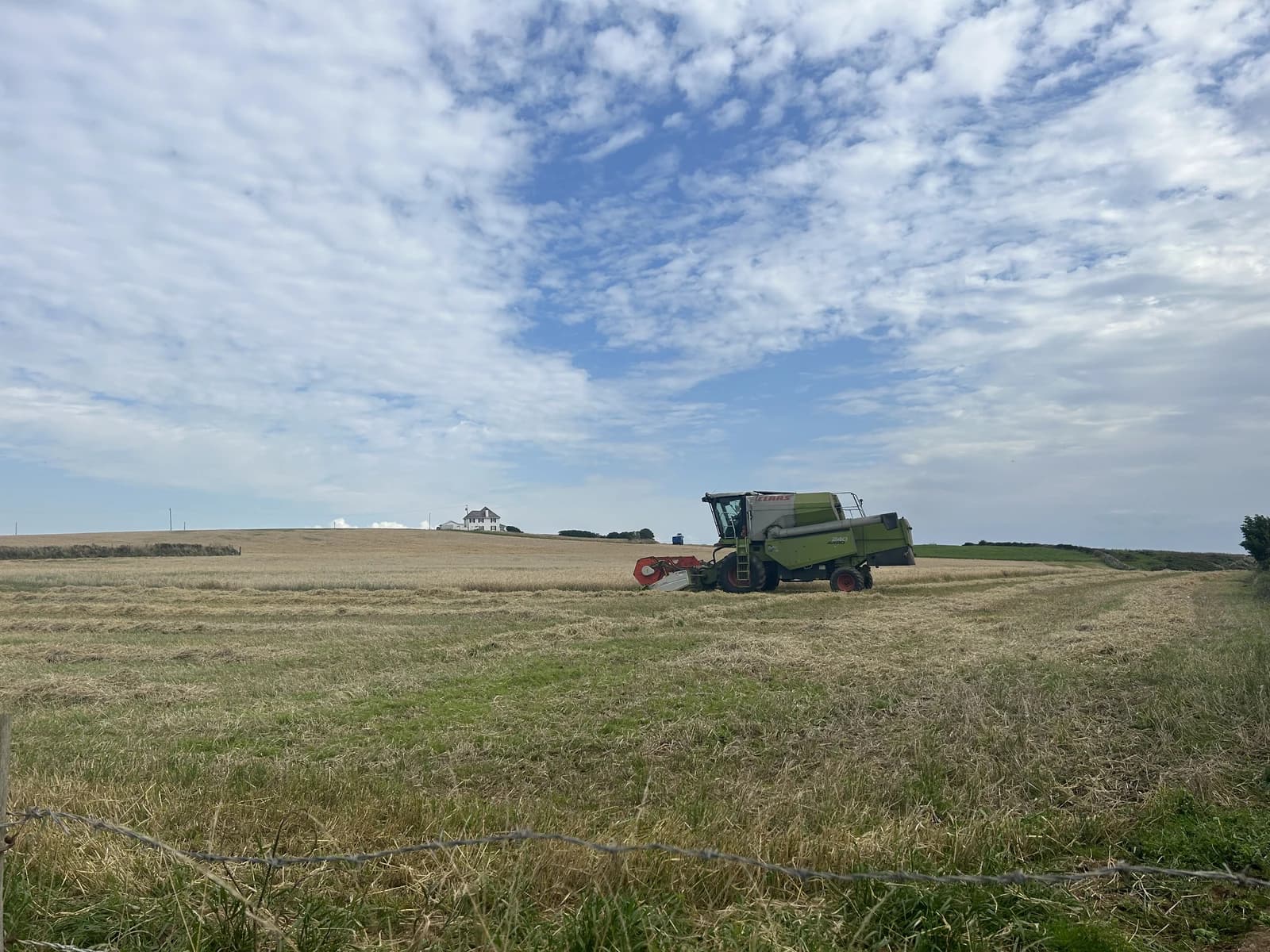
That matters economically because wheat is not just another crop; it is a staple with direct links to food inflation, rural cash flow and the government’s broader effort to keep supply stable without squeezing farmers. A ₹25-per-quintal increase may look small on paper, but it signals that New Delhi is still willing to support growers at a time when pricing has been under strain. For producers, every incremental gain helps offset input costs and uncertainty. For consumers and millers, it suggests the market for good-quality grain remains tight enough that buyers are willing to pay above the policy floor.
The Surat reference is useful because it captures what happens after policy meets reality. Local demand for C-grade wheat at ₹15 a kilogram shows that procurement support does not fully define the market; quality still commands a premium when buyers need dependable supply. That dynamic is important for investors looking at agricultural commodities, food processors and even companies exposed to packaged staples. When the government nudges MSP higher, it can support farm sentiment and planting decisions, but it can also keep a floor under domestic grain prices if private demand stays firm.
The broader wheat backdrop is mixed. Global wheat markets remain uneven, with weaker import demand in some places and export challenges in others, while the Indian move points in the opposite direction: authorities want to protect farmers and maintain domestic stability. For investors, that combination matters because it helps explain why agricultural commodities rarely move on one headline alone. Policy, weather, procurement, and local cash market demand all interact.
For long-term investors, the takeaway is simple: wheat is still a supply-and-demand story, but it is also a policy story. Higher support prices can be constructive for farm incomes and rural spending, while persistent demand for better-grade wheat can keep pricing resilient. The best move here is not to chase every short-term swing, but to watch how the MSP hike filters through procurement, planting, and food inflation in the months ahead.
| Entity | Gains | Losses |
|---|---|---|
| Wheat farmers | ▲Higher price floor | ▼None immediately |
| Quality wheat sellers in Surat | ▲Better local pricing | ▼Buyers paying more |
| Food processors and millers | ▲Steadier supply signals | ▼Higher input costs |
| Consumers | ▲Potentially stable availability | ▼Mild upward price pressure |