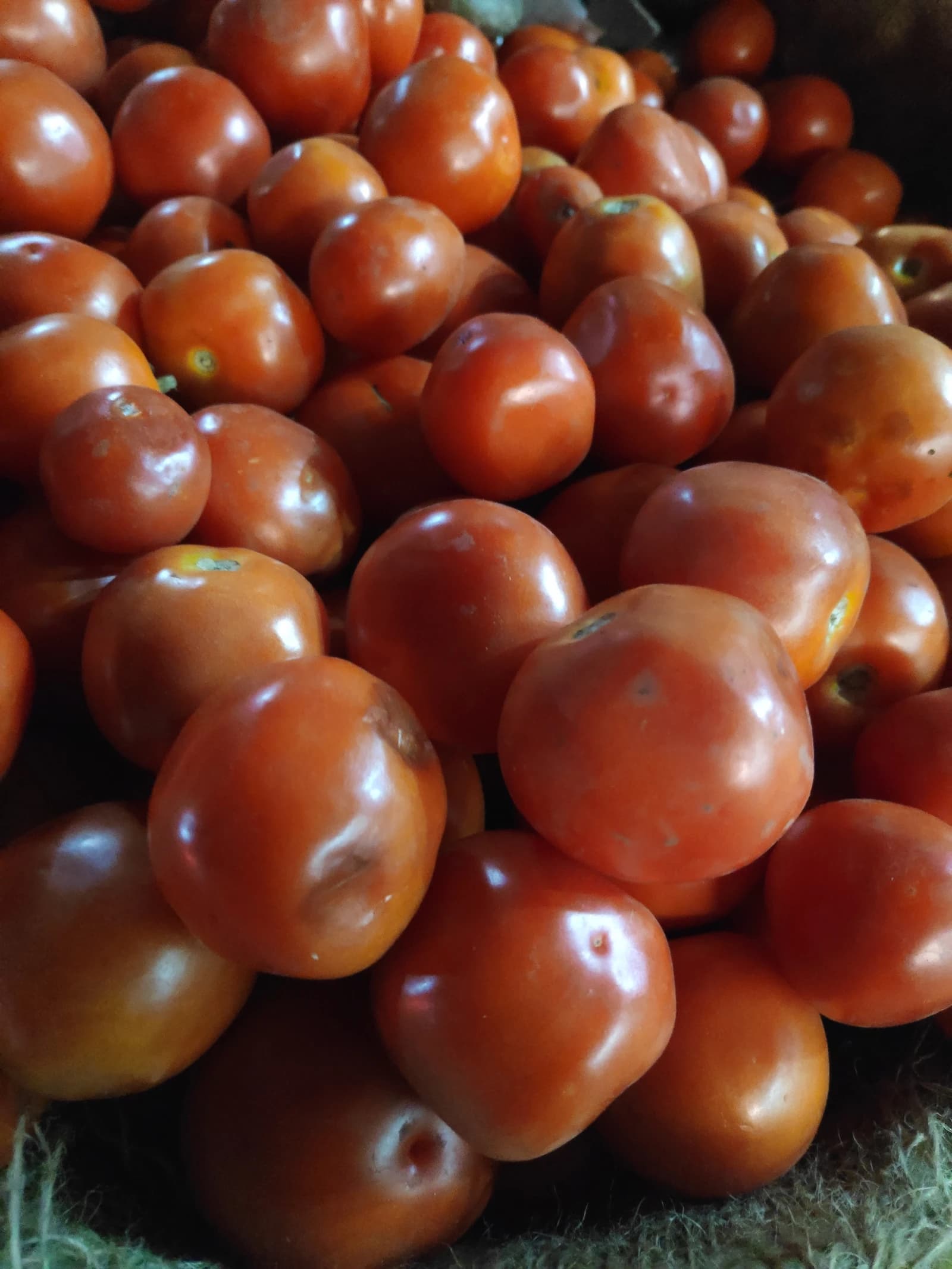
A fresh tomato buying season has opened at the Khoriphata sub-market in Nashik’s Dindori taluka with an initial auction price of ₹1,251 per crate, giving farmers an early read on demand and traders a benchmark for the crop’s next leg.
Nashik Tomato Auction Opens at ₹1,251 a Crate
The launch matters because tomatoes are one of the most price-sensitive staples in India’s food chain. When auction prices move, the impact can ripple quickly from farm gate to wholesale markets and, ultimately, to household budgets. For growers in and around Dindori, a strong opening bid can mean better returns after a year of weather, transport and pest-related uncertainty. For traders and buyers who supply markets beyond Maharashtra — including other states and export-linked channels — the opening auction helps set the tone for procurement costs.
Eleven farmers placed one crate each in the ceremonial auction, and trader Vikas Ghuge secured the lot at the same ₹1,251-a-crate rate. Officials said the district’s tomato quality has been strong enough to attract buyers from within Maharashtra as well as from other states and overseas markets, underscoring how even a local market opening can carry wider commercial significance.
That broader relevance is why tomato pricing draws attention well beyond the village level. India’s vegetable markets often swing sharply with supply, and tomatoes can move from abundance to scarcity faster than many other crops. Early-season pricing therefore matters not just to growers hoping for fair realization, but to wholesalers, retailers and food processors trying to manage margins. If arrivals stay healthy and quality remains firm, buyers may see steadier supplies; if weather or logistics interrupt the crop, prices can tighten quickly.
For investors and market watchers, the key takeaway is that agricultural price discovery is still highly local, but its effects are national. Better farm-gate realization supports rural incomes and spending, while sharp spikes can feed food inflation and pressure consumer demand. That makes the tomato market an important gauge of both crop conditions and broader price stability.
The next few weeks of arrivals will show whether this opening price is the start of a firm season or just a ceremonial first trade. For now, Khoriphata’s ₹1,251 crate price suggests traders are willing to pay up for quality — a constructive sign for growers, and worth watching for anyone tracking India’s food inflation cycle.
| Entity | Gains | Losses |
|---|---|---|
| Farmers | ▲Better opening realization | ▼Lower prices if arrivals rise |
| Traders/buyers | ▲Quality supply access | ▼Higher procurement costs |
| Consumers | ▲Stable supply if crop holds | ▼Higher retail tomato prices |
| Local market economy | ▲Stronger farm incomes | ▼Inflation pressure if shortages emerge |