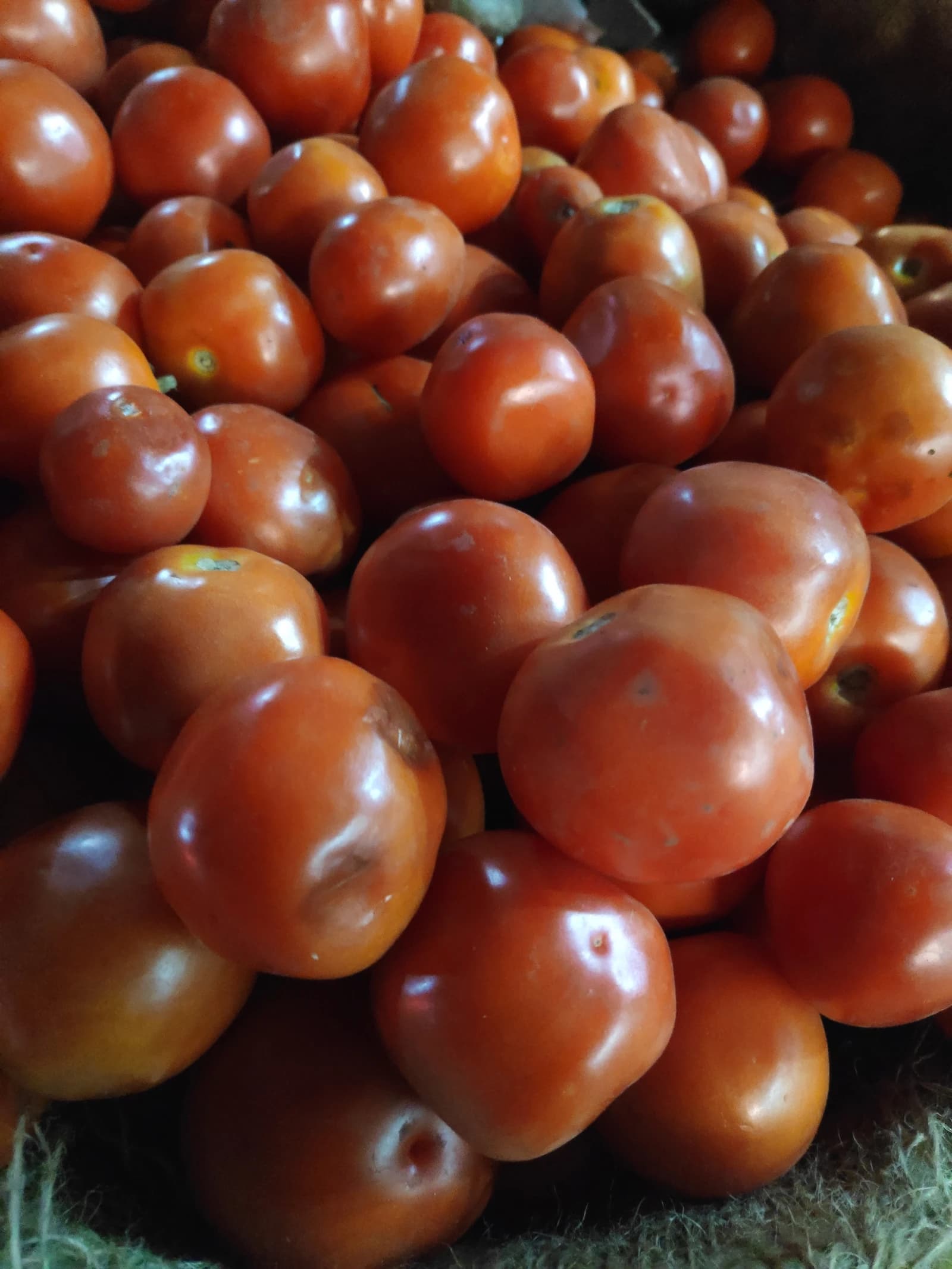
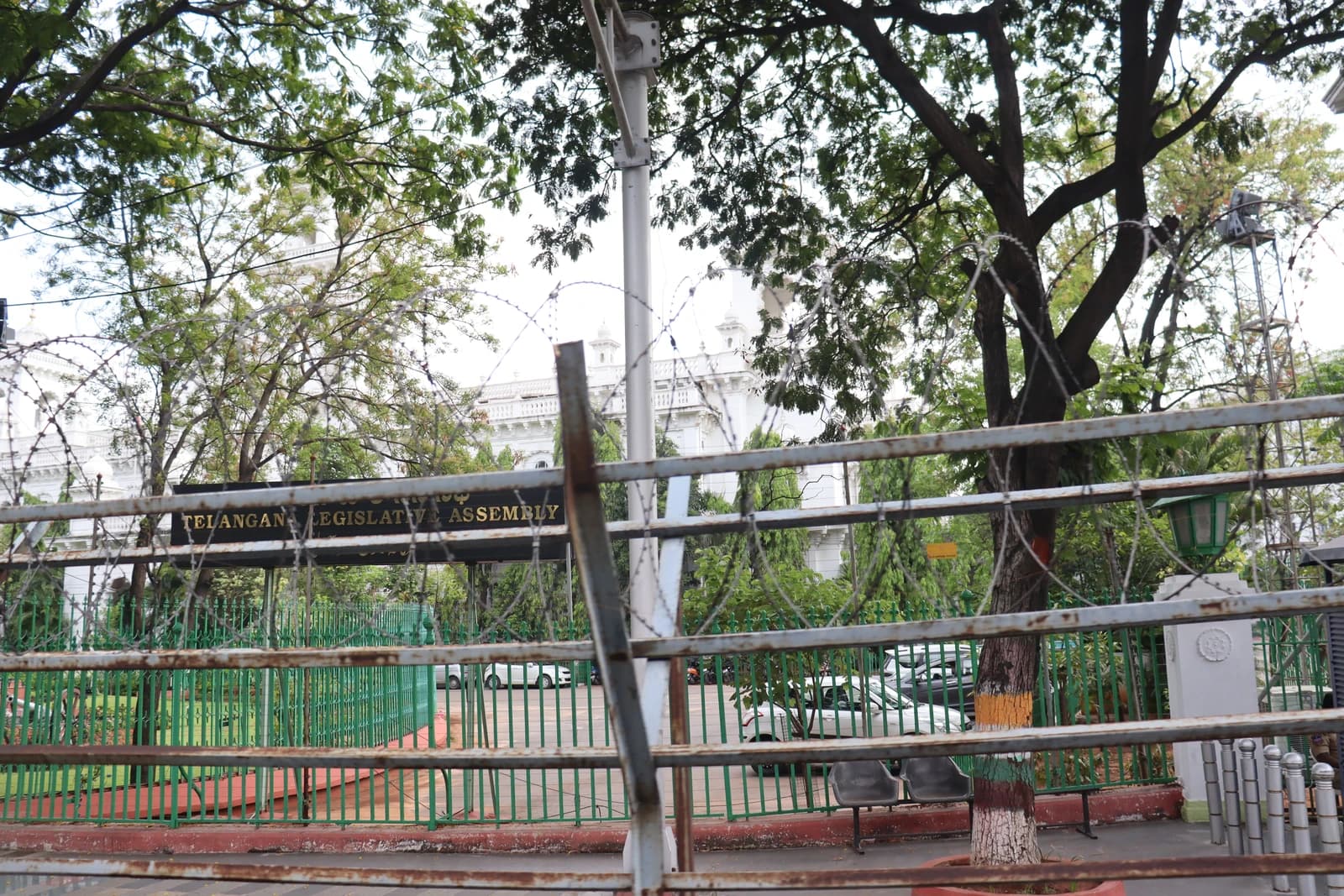
Rice prices in Telangana have become a political flashpoint as BRS leader T. Harish Rao pressed the state government to review soaring costs of fine rice and other essentials, arguing that inflation is eroding household budgets even as officials tout strong agricultural output.
Telangana rice prices rise 25% in four months
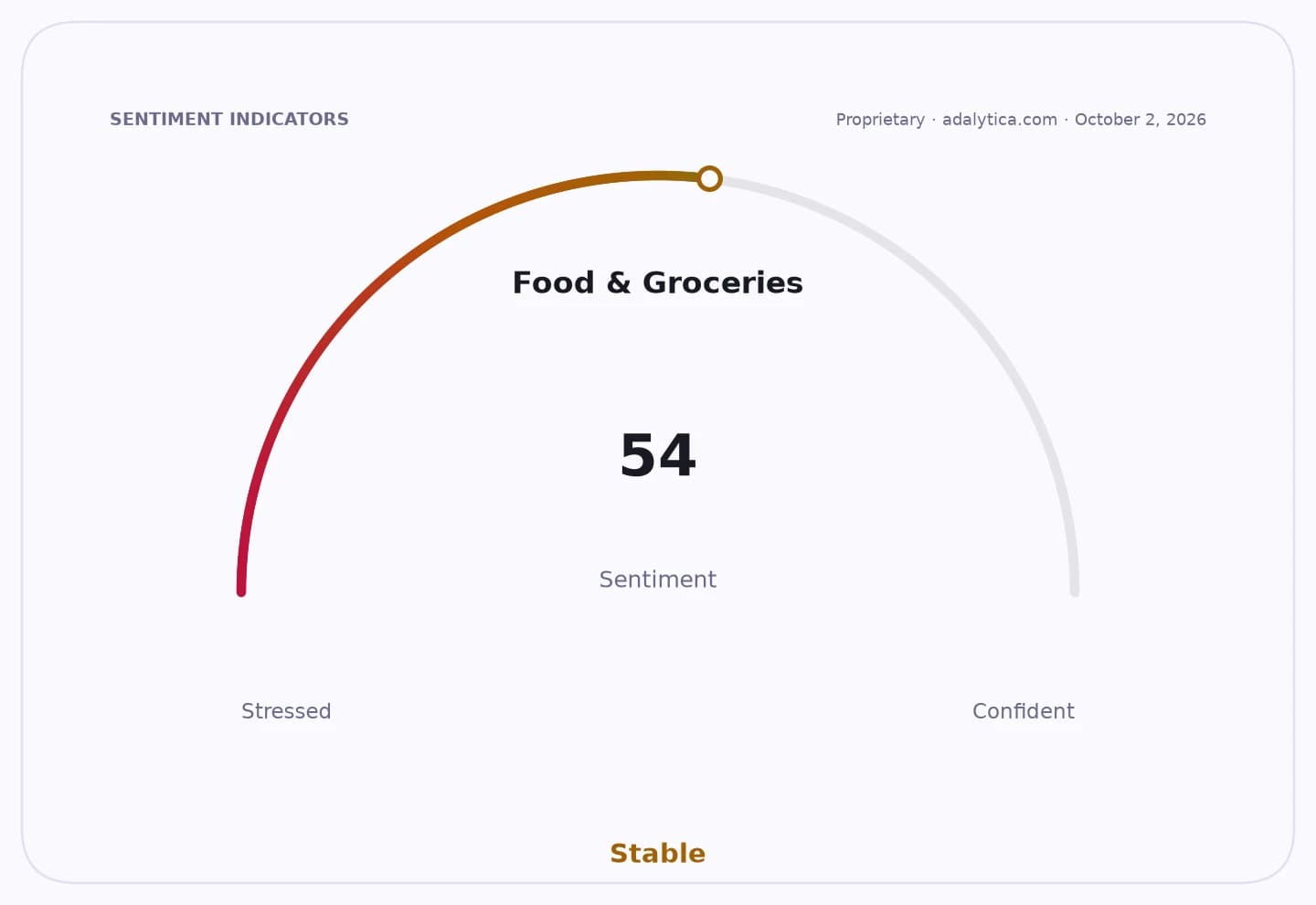
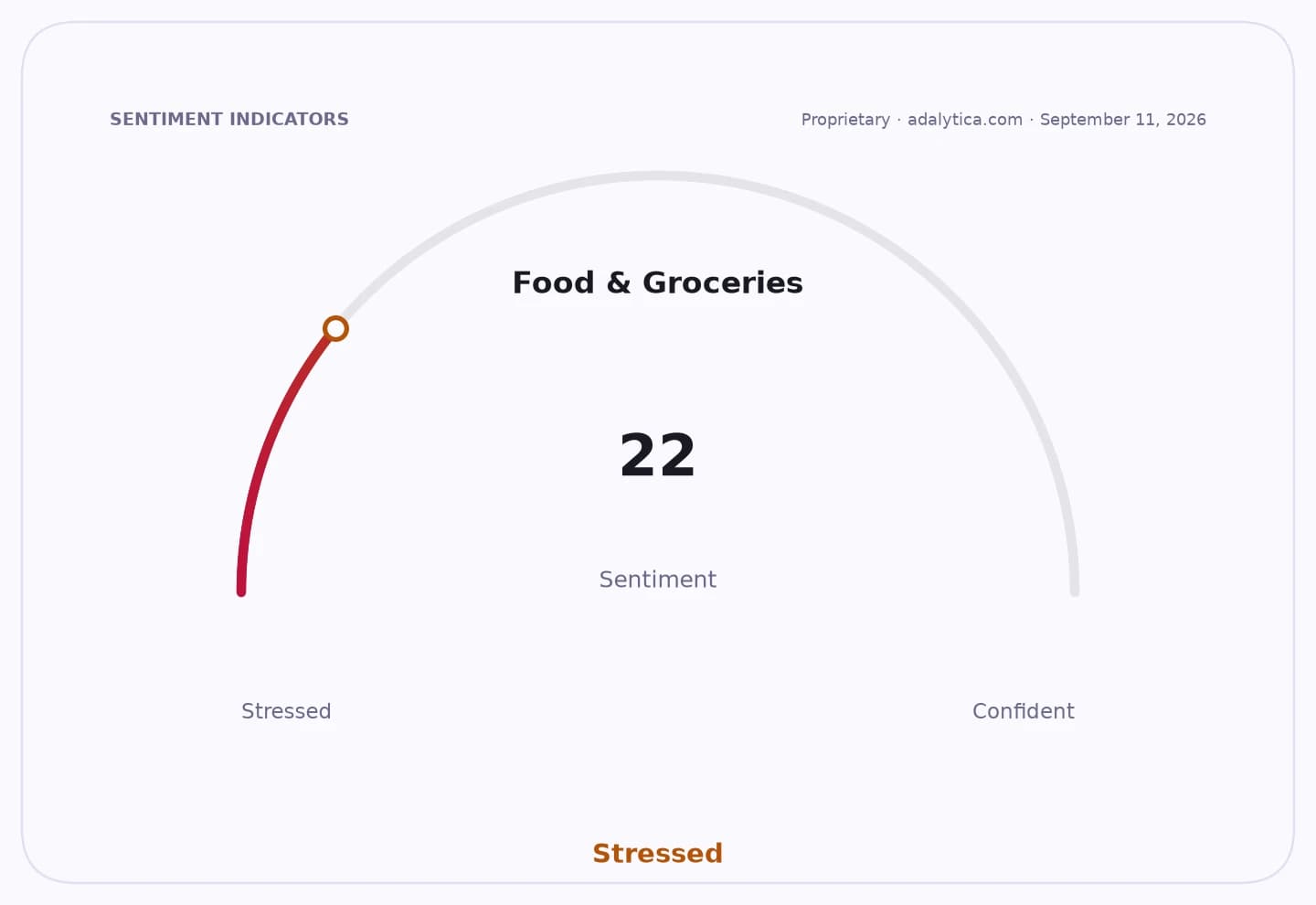
The demand matters because rice remains a staple for millions of consumers and a key transmission channel for food inflation. Harish Rao said fine rice prices have climbed nearly 25% in the past four months, a pace that would be felt immediately in monthly spending for lower- and middle-income families. He also cited sharp increases in onions, garlic, edible oil and pulses, turning what might otherwise be a commodity-price dispute into a broader cost-of-living critique of the Congress-led government.
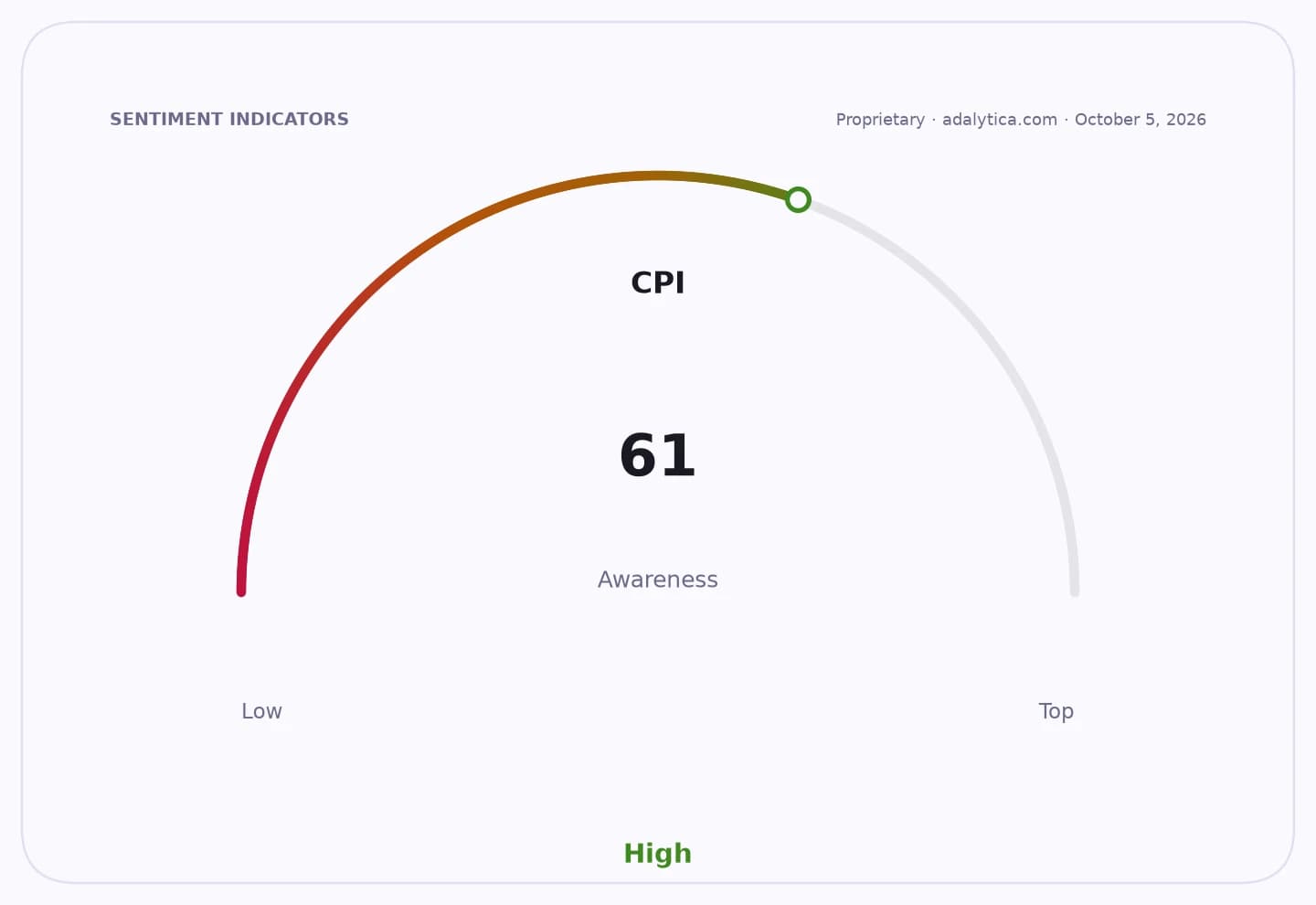
Sentiment IndicatorsⓘProprietary · adalytica.com · October 5, 2026
This is a snapshot — live sentiment, awareness and momentum for 130+ markets update continuously in the dashboard.Open AlphaPulse
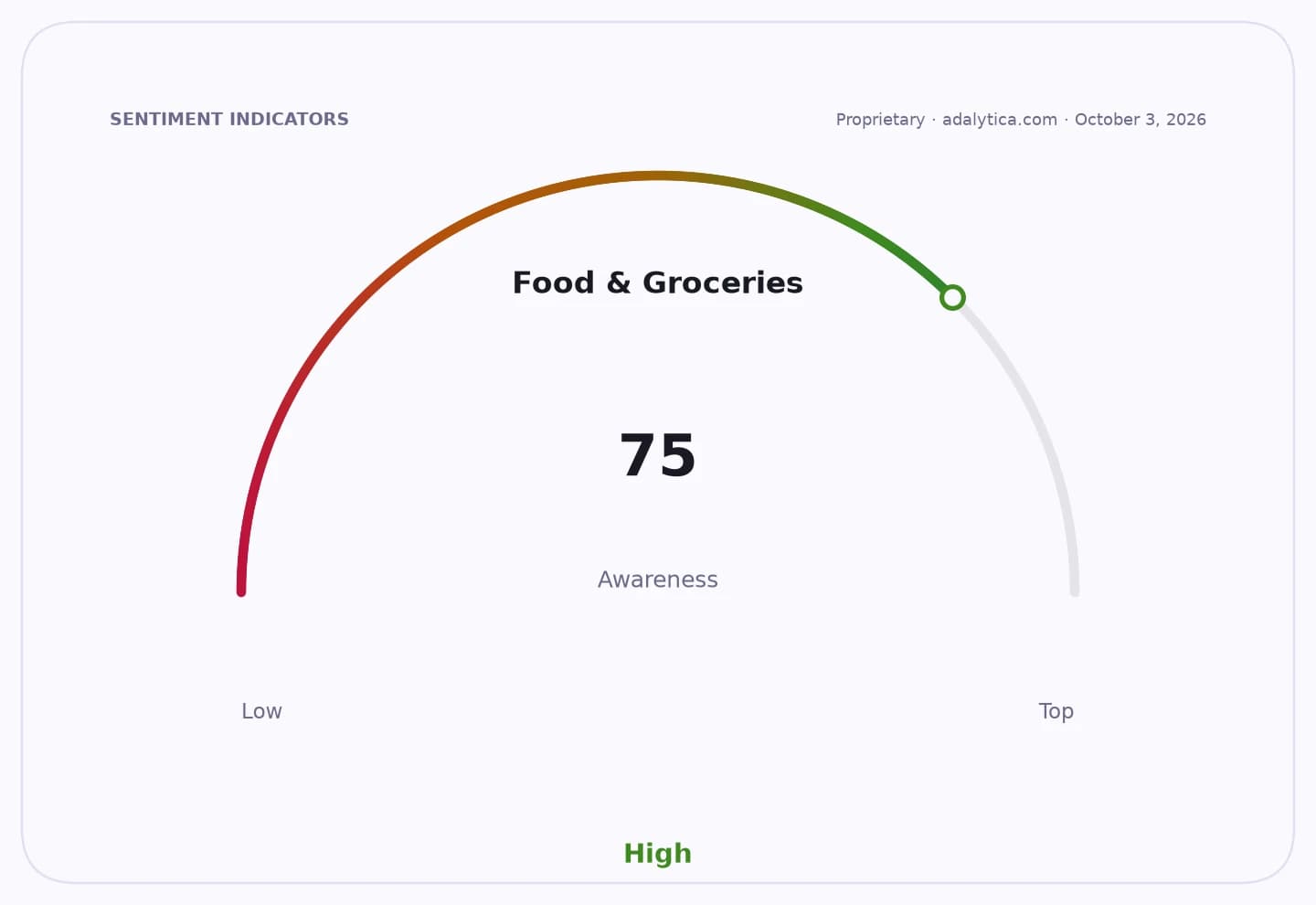
The economic question behind the political attack is whether higher farm output is failing to translate into cheaper retail prices. Harish Rao argued that if production is strong, consumers should be seeing relief, not higher bills. That points to possible distortions in the supply chain, including inventory bottlenecks, hoarding, market power among intermediaries or uneven distribution under the state’s fine-rice scheme. If those frictions are real, they suggest the benefits of bumper harvests are not reaching either farmers or consumers efficiently.
For investors, the story is less about Telangana alone than about how persistent food inflation can shape policy and margins across India’s consumer economy. Households under pressure tend to trade down, delay discretionary spending and remain sensitive to pricing in staples, which matters for packaged-food makers, retailers and consumer-goods firms with exposure to edible oils, grains and pulses. Elevated food prices can also complicate the broader inflation outlook, keeping pressure on policymakers even when headline inflation elsewhere looks contained.
The argument also underscores a familiar split in India’s food economy: farmers often say they do not get remunerative prices, while consumers complain of unaffordable staples. Harish Rao’s criticism of middlemen benefiting at both ends of the chain taps into that tension. His call for action against black marketing, illegal hoarding and artificial shortages suggests the issue is not just harvest size but market structure and enforcement.
That leaves the state government facing a narrower but consequential test: whether it can stabilize essential food prices before the problem becomes a larger political and economic drag. If prices remain elevated, the pressure will build for intervention in procurement, distribution and market oversight. If the government can show the spike is temporary or localized, the episode may fade. For now, the rise in rice prices has become a live measure of both consumer stress and administrative credibility.
| Entity | Gains | Losses |
|---|---|---|
| Consumers | ▲Potential relief from intervention | ▼Higher food bills |
| Farmers | ▲Better procurement scrutiny | ▼Weak MSP realization |
| Middlemen/Traders | ▲Less if enforcement tightens | ▼Profits under scrutiny |
| Telangana govt | ▲Can win credibility if prices ease | ▼Political pressure over inflation |