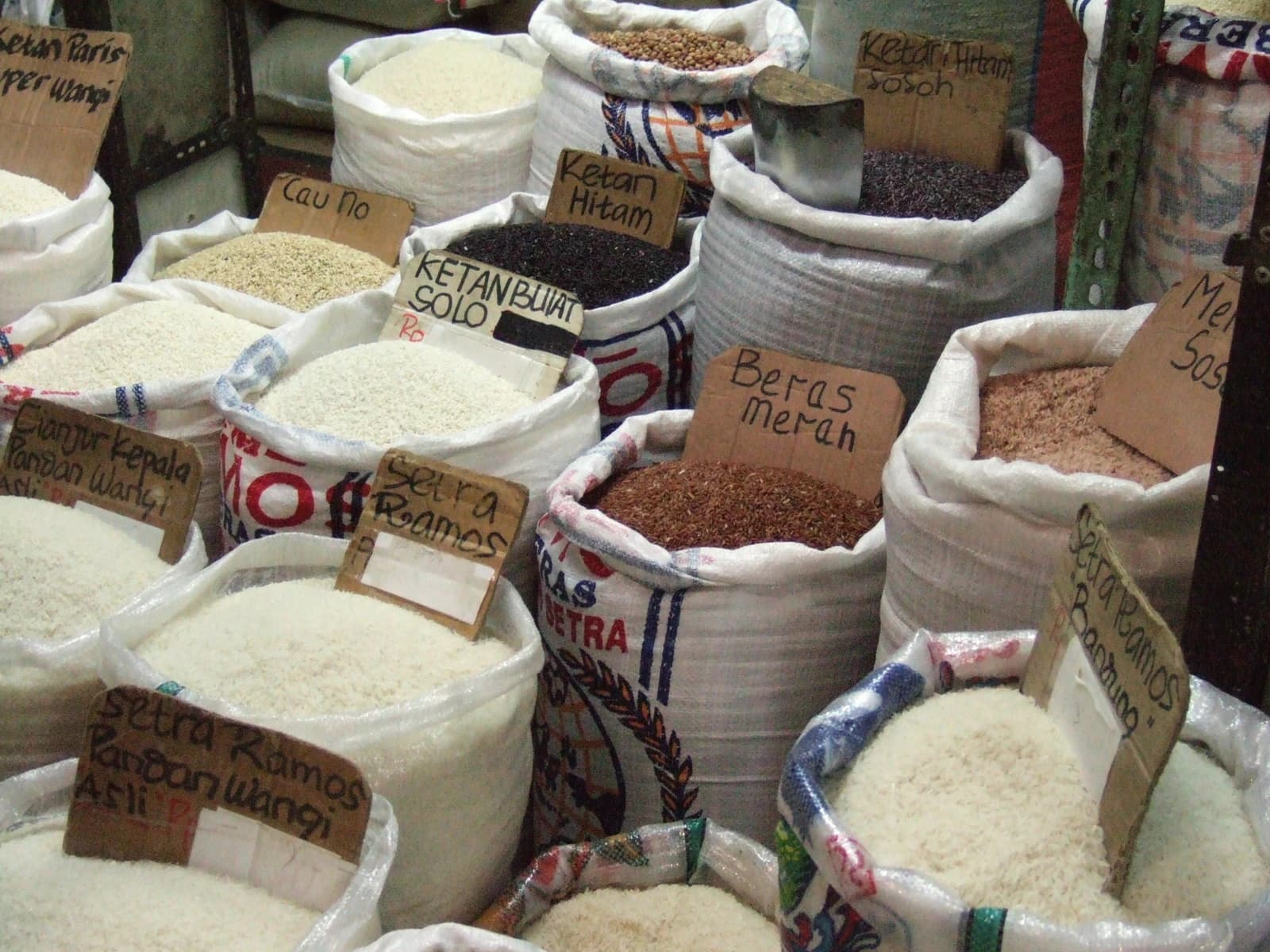
National Rice’s plan to build a new factory in Australia is getting a $14.5 million federal lifeline, giving the project the backing it needs to move from expansion idea to industrial policy test case.
National Rice gets $14.5 million Australia factory grant
The funding matters because it points to more than a single company investment. Australia is trying to shore up domestic food processing capacity, reduce reliance on imported staples and capture more value from agricultural production at home. For rice, a crop exposed to weather swings, water constraints and shifting global prices, new processing infrastructure can improve efficiency and help keep more of the margin inside the country.
For investors, the immediate significance is that the project now has a clearer path to execution, lowering financing risk and improving the odds that National Rice can scale throughput and supply contracts. A new factory can also strengthen bargaining power with growers and retailers if it lifts consistency and lowers unit costs. The flip side is that public support raises the stakes on delivery: construction delays, cost overruns or weak utilisation would quickly erode the economic case.
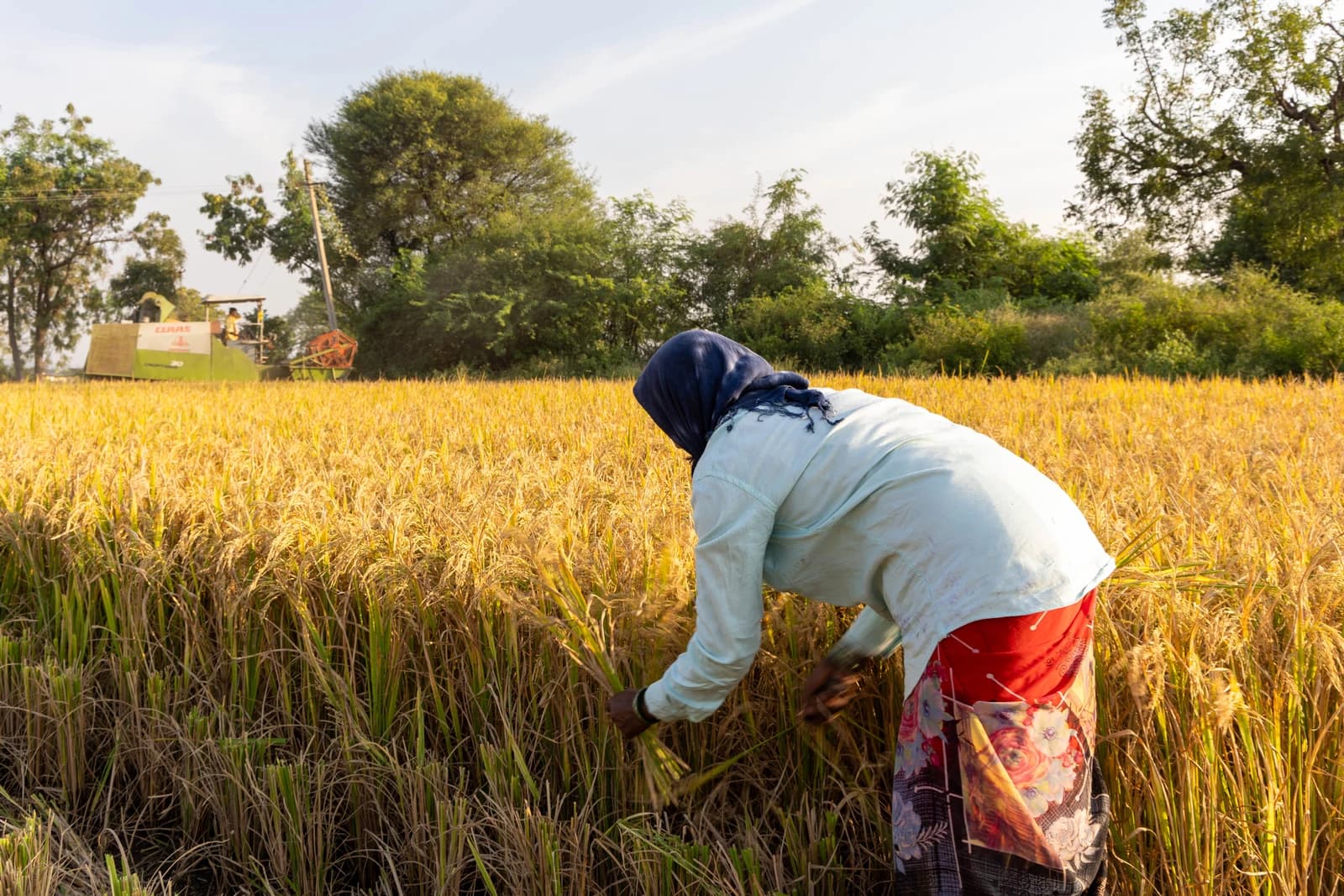
The timing is notable. Broader rice industry conditions remain shaped by climate volatility and mechanisation efforts aimed at boosting yields, while consumer and grocery demand for staple foods remains resilient. That combination makes processing capacity strategically valuable, especially if domestic supply chains face periodic stress from heat, water availability or transport bottlenecks.
National Rice therefore sits at the intersection of farm economics and food security policy. If the factory is completed on budget and fills its capacity, the beneficiary list is broad: growers gain a steadier outlet, processors gain scale and policymakers get a visible example of subsidy-led industrial development. If execution slips, taxpayers and shareholders bear the cost.
For now, the federal backing improves the odds that the project gets built. What matters next is whether National Rice can turn the grant into a durable cost advantage rather than just a one-off boost.
| Entity | Gains | Losses |
|---|---|---|
| National Rice | ▲Lower funding risk | ▼Higher delivery scrutiny |
| Australian rice growers | ▲More stable demand | ▼Less pricing leverage |
| Federal government | ▲Local industry support | ▼Budget exposure |
| Import competitors | ▲None | ▼Tougher domestic competition |