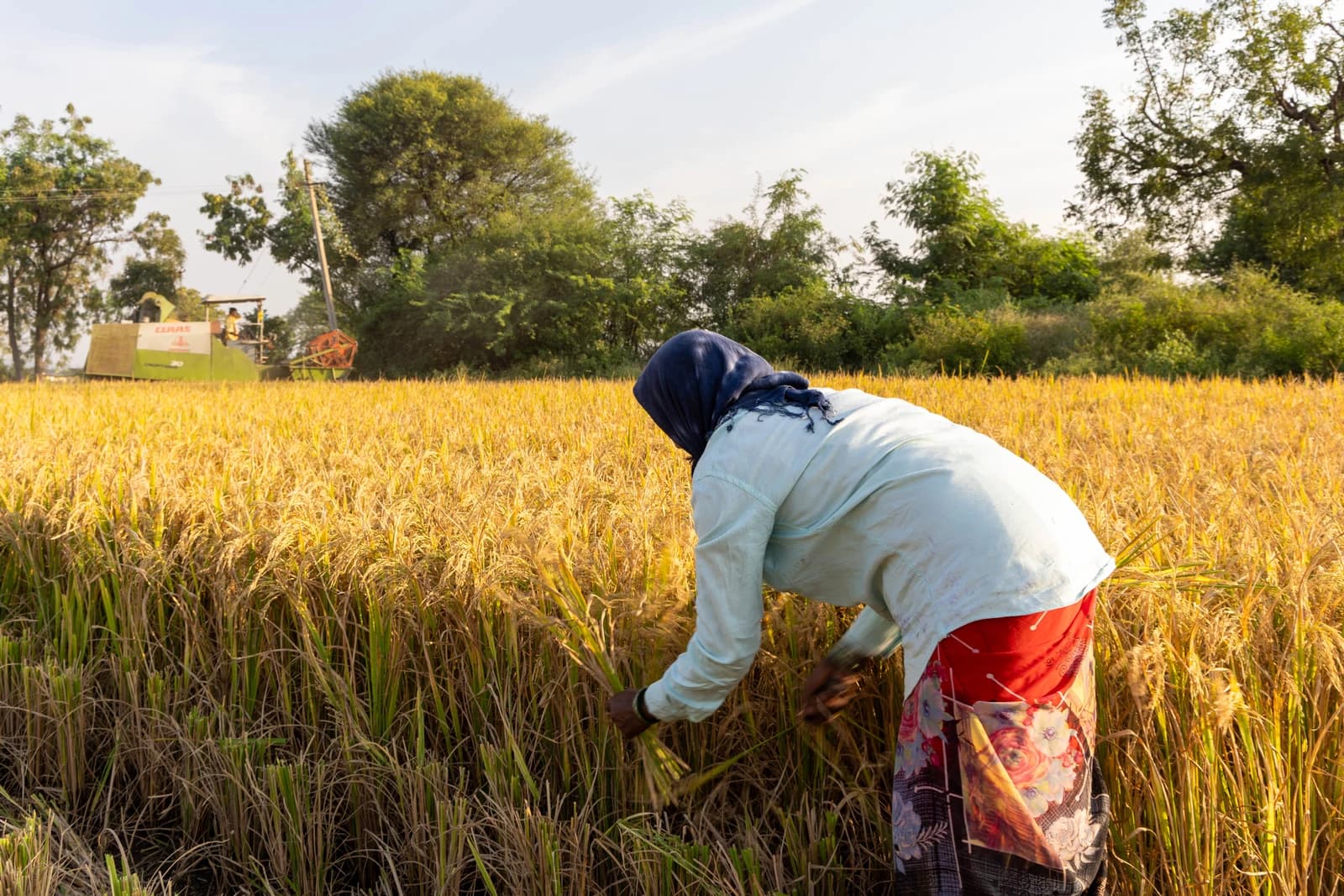
The start of the Konuralp rice harvest in Turkey’s Düzce province underscores how local, labor-intensive farming is becoming part of a wider scramble to protect rice supply as weather shocks, water stress and export competition keep pressure on grain markets.
Turkey Konuralp rice harvest begins in Duzce
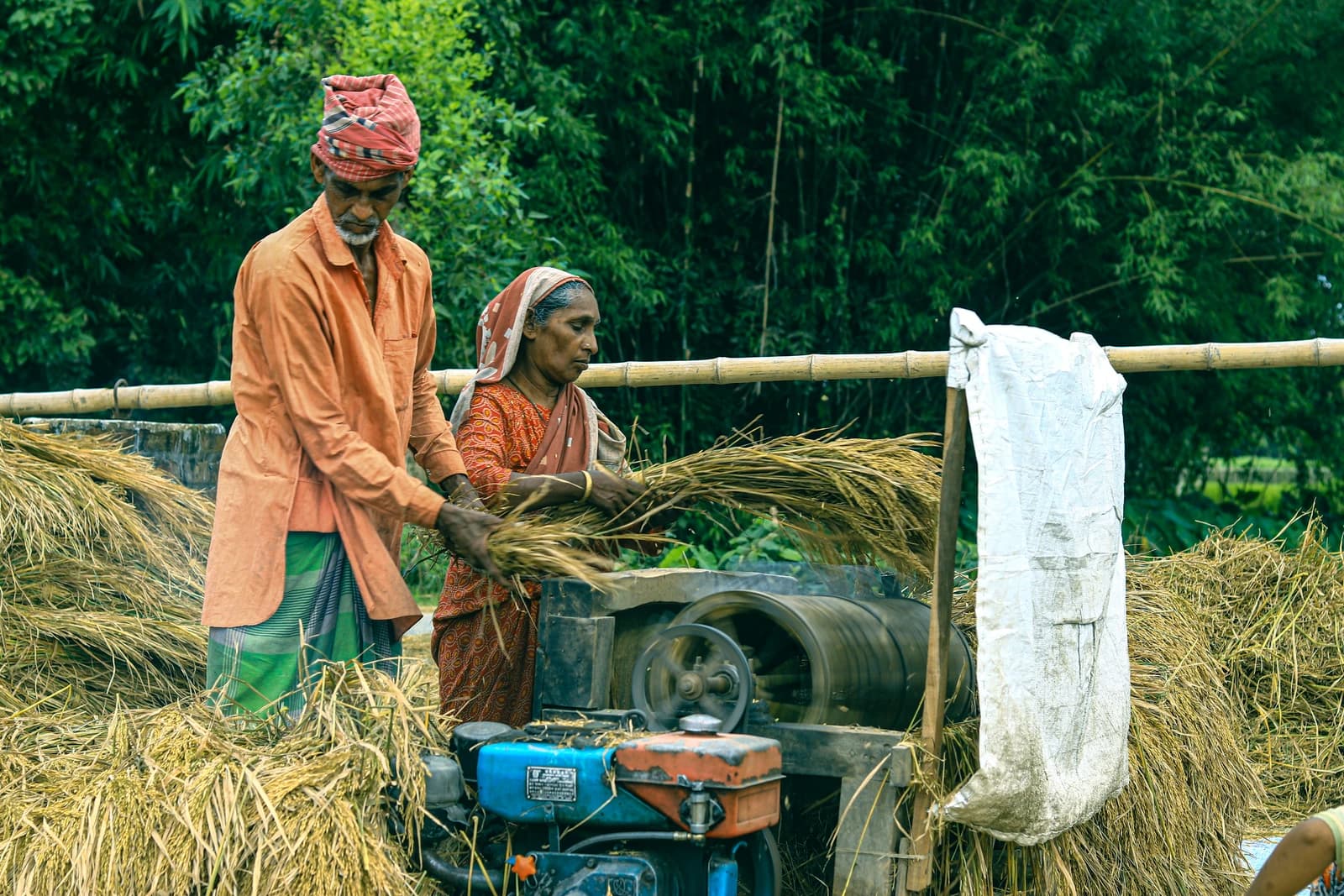
Farmers began cutting the geographically indicated Konuralp rice by hand with sickles before threshing the crop mechanically, a reminder that even in a modernized food system, harvest timing and field conditions still determine how much supply actually makes it to market. The 2,250-decare planted area is modest, but the crop carries outsized significance because specialty rice production depends on quality, branding and consistency rather than sheer scale.

That matters economically because rice remains one of the most politically sensitive staples in global agriculture. When production is disrupted by flooding, drought or infrastructure constraints, governments often respond by tightening export rules or boosting domestic support, which can ripple through regional prices and food inflation. The news from Düzce comes against a backdrop of broader fragility in grain supply chains, from flood-hit fields in Ca Mau province to irrigation and groundwater initiatives elsewhere aimed at protecting output.
For investors, the immediate read-through is less about Turkey’s rice market alone than about the persistence of supply-side risk across the agricultural complex. Benchmark grain funds and producers tied to staples can react quickly when weather or logistics threaten crops, and rice tends to command a premium when buyers worry about availability. The recent strength and volatility in grain-linked exchange-traded funds such as CORN, WEAT and DBA show how quickly food markets can reprice when supply narratives tighten, even if the drivers differ by crop.
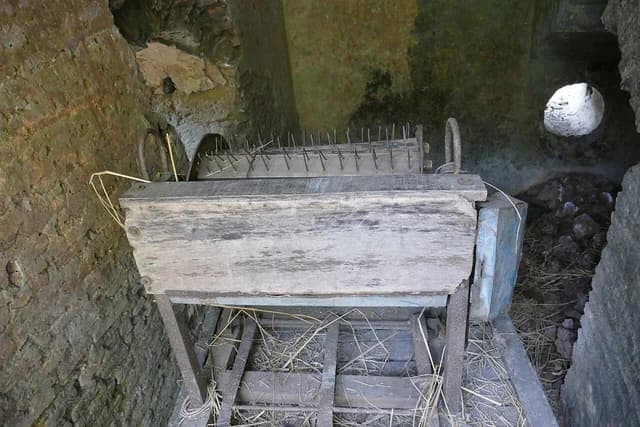
The hand harvest in Düzce also speaks to a broader agricultural theme: resilience is becoming more expensive. Traditional varieties such as Konuralp rice can support regional food identity and rural incomes, but they also depend on labor availability, mechanization at the right stages and stable water conditions. That leaves producers exposed to margin pressure if climate variability raises costs faster than prices.
The near-term focus will be on yield, milling quality and whether the harvest can be completed without further weather disruption. If the crop comes in cleanly, it supports local supply and preserves a niche premium market. If flooding, heat or logistics problems intensify, the episode adds one more signal that rice markets remain vulnerable to shocks that investors can no longer treat as isolated.
| Entity | Gains | Losses |
|---|---|---|
| Konuralp rice growers | ▲Harvest proceeds, local premium value | ▼Higher labor and weather risk |
| Turkish consumers | ▲Potential supply stability | ▼Any crop shortfall or price pressure |
| Grain traders | ▲Volatility and trading opportunities | ▼Bearish positions in staples |
| Flood-affected rice farmers in Asia | ▲Relief efforts draw attention | ▼Direct crop losses |