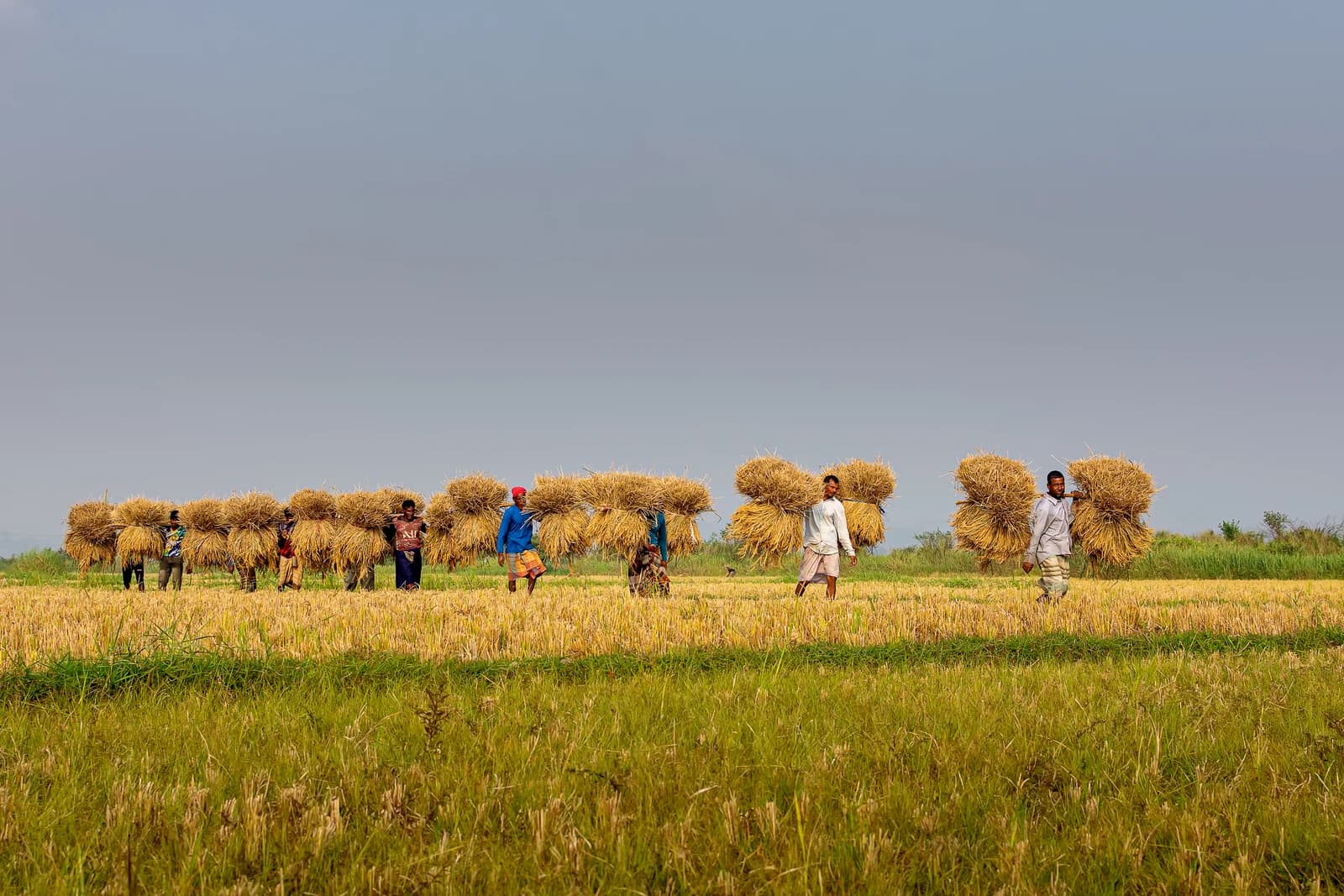
India’s rice heritage is moving beyond regional pride and into export markets, with Kalaburagi GI-tagged paddy shipped abroad for the first time. The one-metric-ton consignment to the Maldives is a small shipment in commercial terms, but it is an important proof point: a GI label can help turn a local crop into a premium, traceable product with international demand.
Kalaburagi GI Rice Exports Reach Maldives
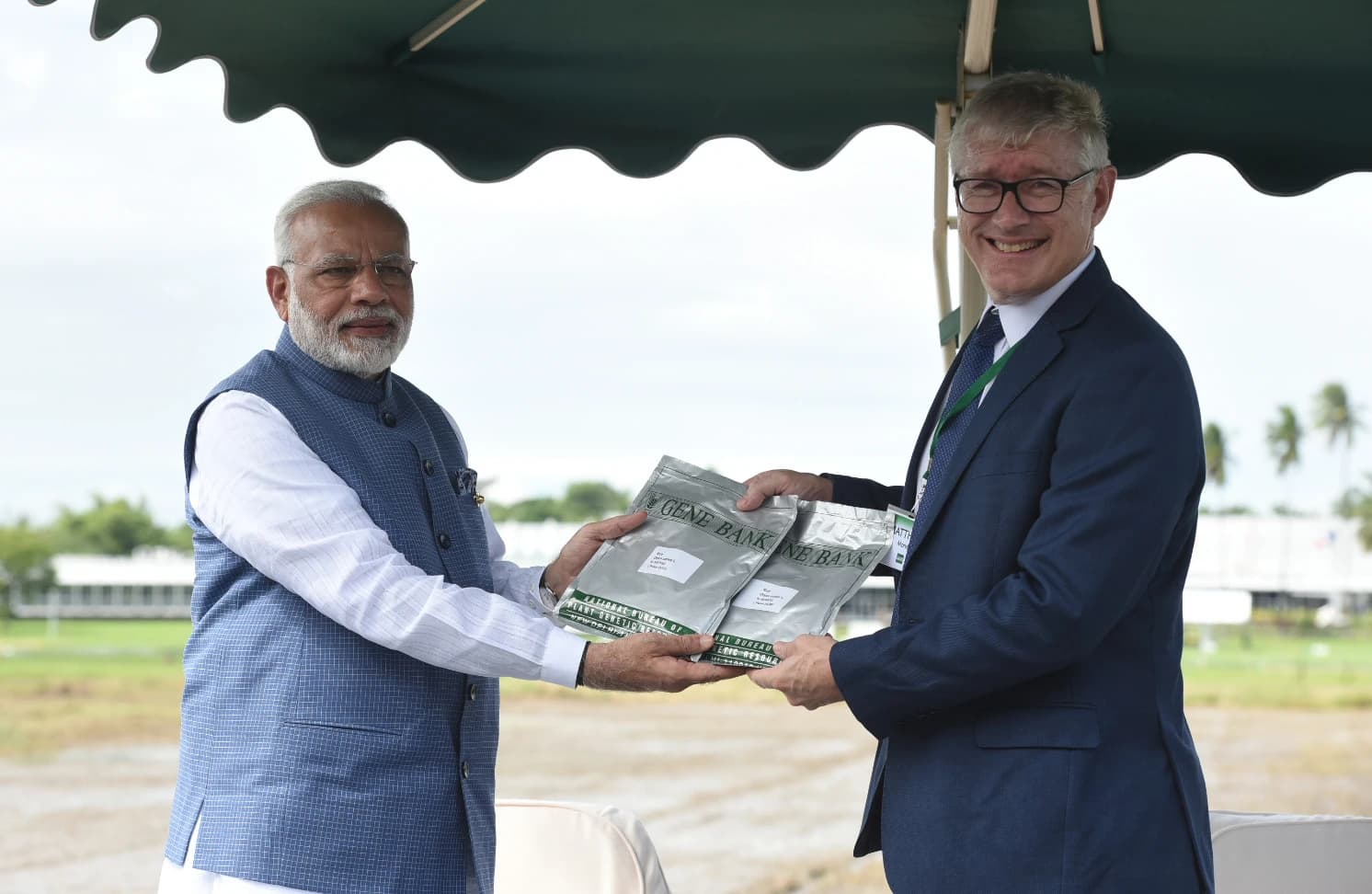
That matters because geographical indication tags are designed to protect names, preserve authenticity and, in the best cases, lift farm incomes by distinguishing a product from ordinary commodity rice. For investors and agribusiness players, the significance is less about the size of this first shipment than about the model it represents. If GI rice varieties can build recognition overseas, they can support higher realizations for growers, stronger branding for exporters and a more durable niche in a market dominated by bulk grain trade.
The development also puts a spotlight on the broader universe of India’s GI-tagged rice varieties. Kerala stands out with several registered names, including Navara Rice, Palakkadan Matta Rice, Pokkali Rice, Wayanad Jeerakasala Rice, Wayanad Gandhakasala Rice and Kaipad Rice. Uttar Pradesh has Kalanamak Rice and Adamchini Chawal, while GI-listed rice also comes from Assam, Bihar, Maharashtra, West Bengal, Odisha, Tripura, Arunachal Pradesh and the Andaman and Nicobar Islands.
For long-term investors, the economic takeaway is that authenticity is becoming a commercial asset. As consumers in India and overseas become more willing to pay for origin, quality and traceability, GI products can create small but valuable pricing power in agriculture, food processing and export channels. That does not make these varieties a mass-market trade overnight, but it does make them more interesting for companies with packaging, branding, procurement or distribution exposure to premium food products.
The wider story is about India using its agricultural diversity as a competitive advantage. A first export to the Maldives will not transform the rice market on its own, but it shows the direction of travel: from undifferentiated grain toward value-added, place-based food exports. If the infrastructure, certification and marketing follow, GI rice could become a steadier source of income for farmers and a modest growth opportunity for exporters over the next several years.
| Entity | Gains | Losses |
|---|---|---|
| GI rice growers | ▲Better branding, potential premium prices | ▼Higher compliance burden |
| Exporters | ▲Niche product to market abroad | ▼Limited initial volumes |
| Indian regional rice varieties | ▲Greater visibility, legal protection | ▼Commodity-style pricing pressure |
| Bulk rice buyers | ▲More choice in premium supply | ▼Less access to undifferentiated supply |