Consumer demand for Tokachi-produced spelt wheat is widening beyond a niche baking audience, and a three-party effort in Shimizu is trying to turn that interest into a broader commercial market.
Tokachi Spelt Wheat Push Expands in Shimizu
The immediate significance is less about a single farm’s harvest than about whether an alternative grain can graduate from specialty bakeries into a scalable regional food brand. If that happens, it opens a higher-value outlet for Hokkaido growers, gives millers and processors a differentiated domestic ingredient, and taps into consumers’ growing appetite for artisanal and “ancient grain” products.
Spelt wheat, an old variety related to common wheat, has been gaining attention among bread makers and hobby bakers looking for distinctive flavor and texture. In Tokachi, Sawayama Farm in Shimizu has joined with local partners to promote the grain nationally, aiming to translate curiosity into repeat demand rather than one-off purchases. The strategy matters because specialty agriculture often lives or dies on branding and distribution, not just production.
For farmers, the attraction is pricing power. Commodity wheat is exposed to global supply swings, import competition and thin margins, while a branded niche grain can command a premium if buyers perceive quality, provenance and health appeal. That makes spelt wheat potentially more resilient for small producers willing to invest in cultivation and marketing.
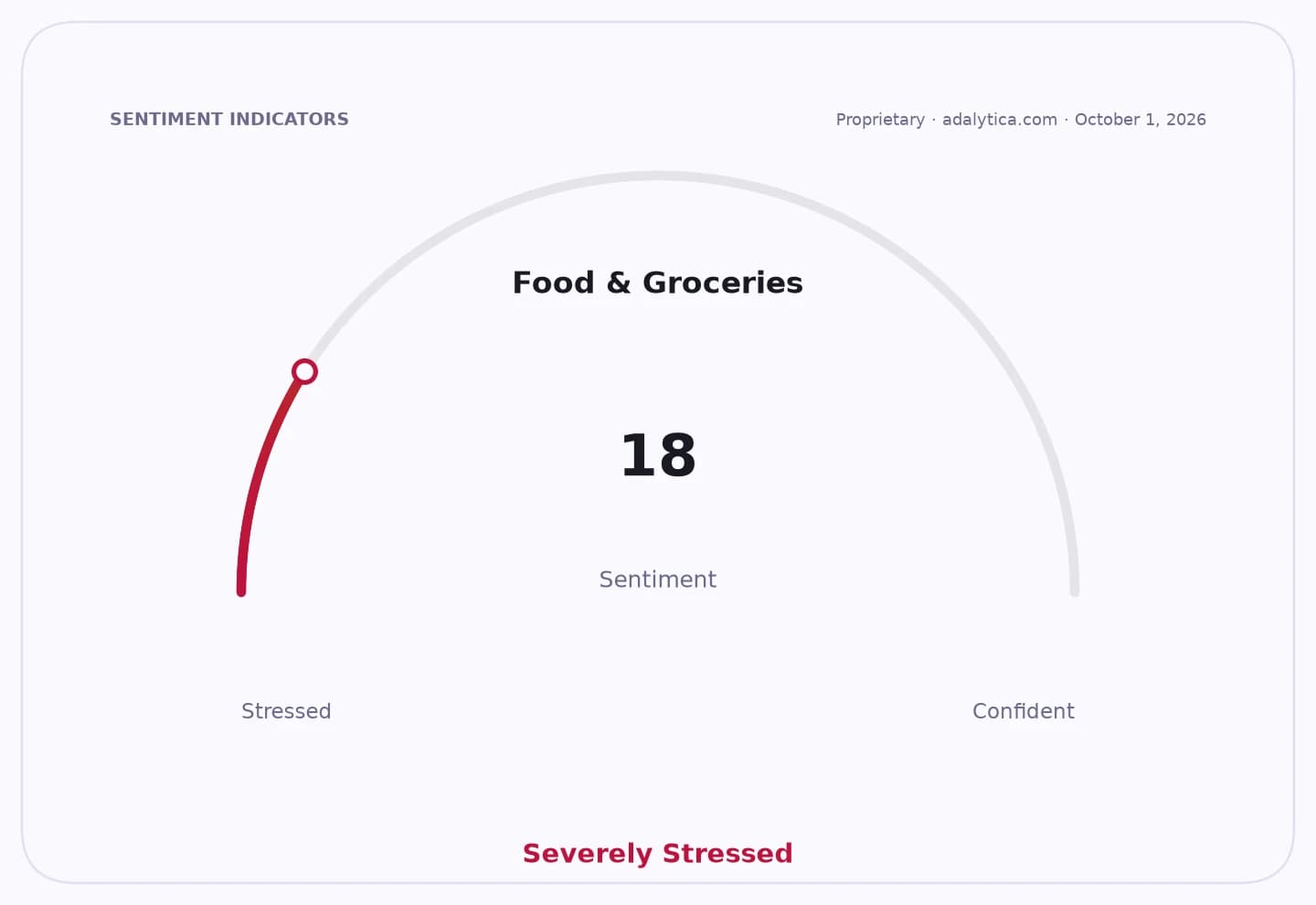
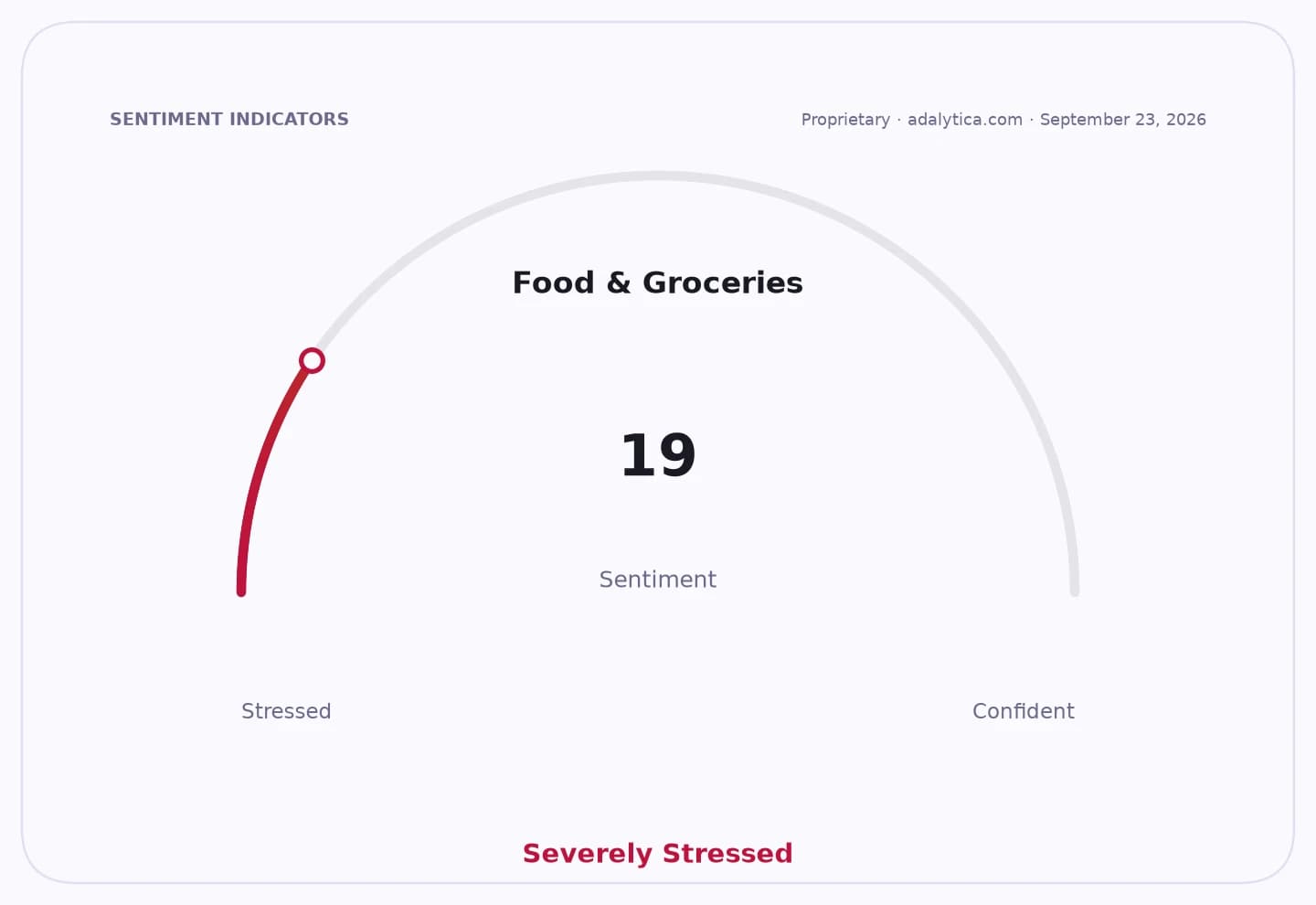
For processors and retailers, the opportunity is to offer a differentiated product at a time when consumers are still willing to spend on premium foods even as broader grocery sentiment remains elevated. Adalytica’s Food and Grocery Spending Sentiment gauge is at 93, classified as “Extreme Greed,” suggesting appetite for food-related purchases remains strong enough to support specialty items with a clear origin story.
The market question is whether the demand is deep enough to move from enthusiasm among enthusiasts to a steady national channel. Specialty grains can generate strong margins, but they also face constraints: limited acreage, processing familiarity, and the need to educate consumers about how to use them. That makes partnerships between growers, mills and sales channels essential.
Investor relevance is modest but real for food and agriculture names tied to premium ingredients. The bull case is that branded domestic grains can lift farmgate returns and create longer-term demand stability. The bear case is that spelt remains a small, trend-driven category that never scales beyond niche bakers, leaving production economics vulnerable to crop-size fluctuations and marketing costs.
The next test is whether the Shimizu collaboration can build distribution outside Hokkaido and establish spelt wheat as a repeat-purchase ingredient. If it can, Tokachi could become a model for how Japanese agriculture extracts more value from specialization rather than volume alone.
| Entity | Gains | Losses |
|---|---|---|
| Tokachi spelt wheat growers | ▲Higher-value sales | ▼Commodity pricing pressure |
| Local millers/processors | ▲New premium product line | ▼Need for education and handling |
| Specialty bakeries/retailers | ▲Differentiated ingredient | ▼Limited supply availability |
| Conventional wheat suppliers | ▲— | ▼Share of premium niche demand |