Harvest has begun in Kahramanmaraş’s Çağlayancerit walnut belt, and the biggest immediate winners are not just growers but the seasonal workers earning as much as 5,000 lira a day in a country where food inflation and rural labor costs remain elevated.
Çağlayancerit Walnuts Harvest Begins in Kahramanmaraş

That matters because the AB-certified walnut crop is becoming a meaningful local cash engine: roughly 800,000 trees are expected to yield about 8,000 tons this season, with producers aiming for 12,000 tons as younger trees mature. After last year’s frost-related losses, this year’s rebound should restore income across the district, support transport, processing and packaging activity, and strengthen one of Turkey’s better-known geographically protected farm brands.
Sentiment IndicatorsⓘProprietary · adalytica.com · September 27, 2026
This is a snapshot — live sentiment, awareness and momentum for 130+ markets update continuously in the dashboard.Open AlphaPulse
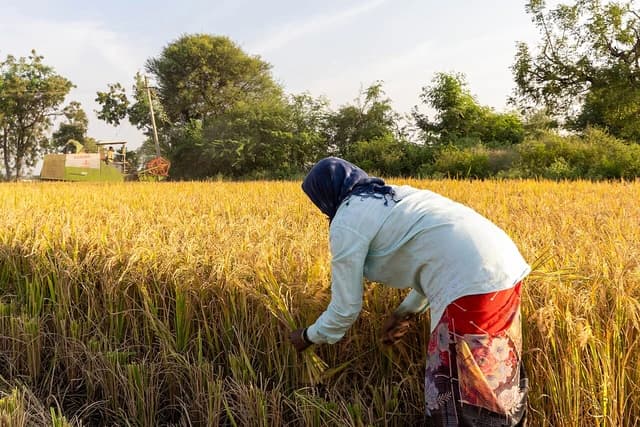
For investors, the story is less about a single nut crop than about pricing power, agricultural resilience and the economics of protected-origin food products. When a regional crop commands premium status, the value chain expands beyond the orchard. Labor, handling, shelling, packing and distribution all gain leverage from a short, intense harvest window. The reported daily pay of 5,000 lira for “çıpkıcı” workers and 1,400 lira for ground pickers shows how tight rural labor markets have become during peak season.
The bigger risk is imports. Producers say the arrival of foreign walnuts could pressure sales of domestic supply just as the crop comes off the trees. That creates a familiar squeeze for local growers: strong harvest volumes can still fail to translate into cash flow if imported product undercuts pricing. In other words, the market may be underestimating how much of the farm value chain depends on timing, branding and trade flows, not just yield.
The wider agricultural backdrop reinforces that view. Global crop markets remain sensitive to weather shocks, and Turkey’s own producers are rebuilding after climate damage from last year’s frost. A stable, high-quality domestic harvest is therefore not just a rural success story — it is a hedge against supply volatility and an argument for more investment in branded, traceable agricultural assets.
If this season delivers the expected 8,000 tons, Çağlayancerit will remain a niche crop with outsized local economic impact. The trade to watch now is whether domestic buyers absorb the harvest before imports arrive. For investors looking at agri-food supply chains, the opportunity sits with the toll roads of the system: logistics, processing and premium-origin distribution, not just the orchard itself.
| Entity | Gains | Losses |
|---|---|---|
| Çağlayancerit growers | ▲Higher output and premium branding | ▼Lower margins if imports arrive |
| Seasonal workers | ▲Up to 5,000 lira daily pay | ▼Off-season income uncertainty |
| Local processors/distributors | ▲More volume through the chain | ▼Pricing pressure from foreign walnuts |
| Walnut importers | ▲Market access in Turkey | ▼Domestic demand for local crop |