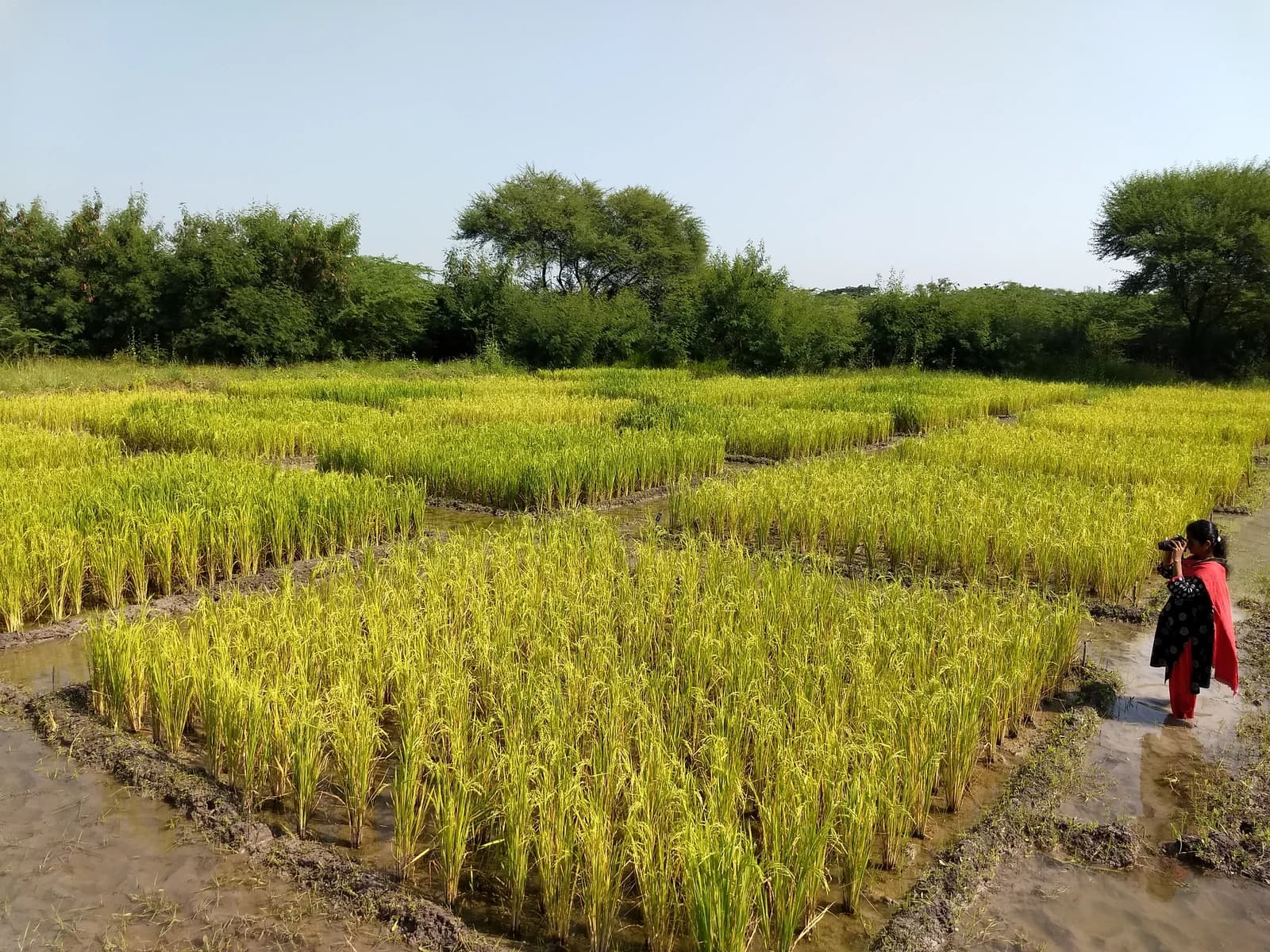
Geopolitical risk in the Gulf is helping India’s rice exporters pull more global buyers into New Delhi, a shift that could strengthen the country’s role as a reliable sourcing hub just as importers hedge against travel and trade disruptions elsewhere.
India Rice Exporters Draw 3,317 Buyers to New Delhi
That matters because rice is one of Asia’s most politically sensitive staples, and buyers do not like concentration risk. When commercial travel, aviation and trade links in the Gulf become less predictable, importers start looking for alternative meeting points closer to production zones. India is trying to turn that caution into a long-term advantage.
The Bharat International Rice Conference, or BIRC, scheduled for Oct. 23 at Bharat Mandapam in New Delhi, had already drawn 3,317 international buyers from 138 countries by Aug. 30, according to the organizer’s data. Bangladesh led registrations with 336 buyers, followed by Benin with 179, Nigeria with 177, the UAE with 145 and Nepal and the Philippines with 137 each. That breadth suggests this is not just a regional trade fair, but a serious attempt to connect Indian exporters directly with the global rice market.
The timing is important. Instability tied to the Iran conflict has made some international companies more wary of using the UAE as a default venue for large gatherings. Travel advisories, aviation disruptions and even the suspension of some trade and financial transactions have added to the sense that Gulf hubs are less frictionless than they once were. For buyers, that does not mean Dubai or other major exhibitions lose relevance overnight. It does mean sourcing calendars may become more diversified.
For India’s rice industry, that is a meaningful opening. A more decentralized buying pattern can lead to more repeat business, deeper relationships and less dependence on a handful of trading hubs. That is particularly valuable in a commodity market where contract access, logistics and confidence in supply can matter as much as price. In other words, India is not just selling rice here; it is selling convenience, reliability and proximity.
Investors should care because this kind of buyer migration can support export volumes and pricing power for Indian millers and traders over time. It also reinforces a broader theme in global food trade: geopolitical fragmentation is nudging buyers toward multiple sourcing points rather than one dominant marketplace. That can benefit countries with scale and stable production, and it can gradually reshape who captures the margin in agricultural trade.
There is a caveat. A conference registration list is not the same as signed contracts, and Gulf venues will remain deeply important to global commerce. But even a modest shift in buyer behavior can have outsized effects in a thin-margin industry like rice. If India keeps converting interest into long-term supply relationships, BIRC could become more than a trade show. It could become a durable channel for export growth.
For long-term investors, the takeaway is straightforward: geopolitical disruption is creating an opening for India’s rice trade, and the companies best positioned to build direct international buyer links could be worth watching over the next several years.
| Entity | Gains | Losses |
|---|---|---|
| India rice exporters | ▲More direct buyers | ▼Less reliance on Gulf hubs |
| Global rice buyers | ▲More sourcing options | ▼Higher travel uncertainty |
| Gulf trade venues | ▲Still important | ▼Some event share at risk |
| Consumers/importers | ▲Better supply resilience | ▼Potentially higher logistics costs |