A prolonged dry season is forcing rice farmers in West Sulawesi’s Majene and Polewali Mandar districts to cut planting, tightening local paddy output prospects in one of Indonesia’s rain-fed rice belts.
West Sulawesi Rice Planting Cut by Drought
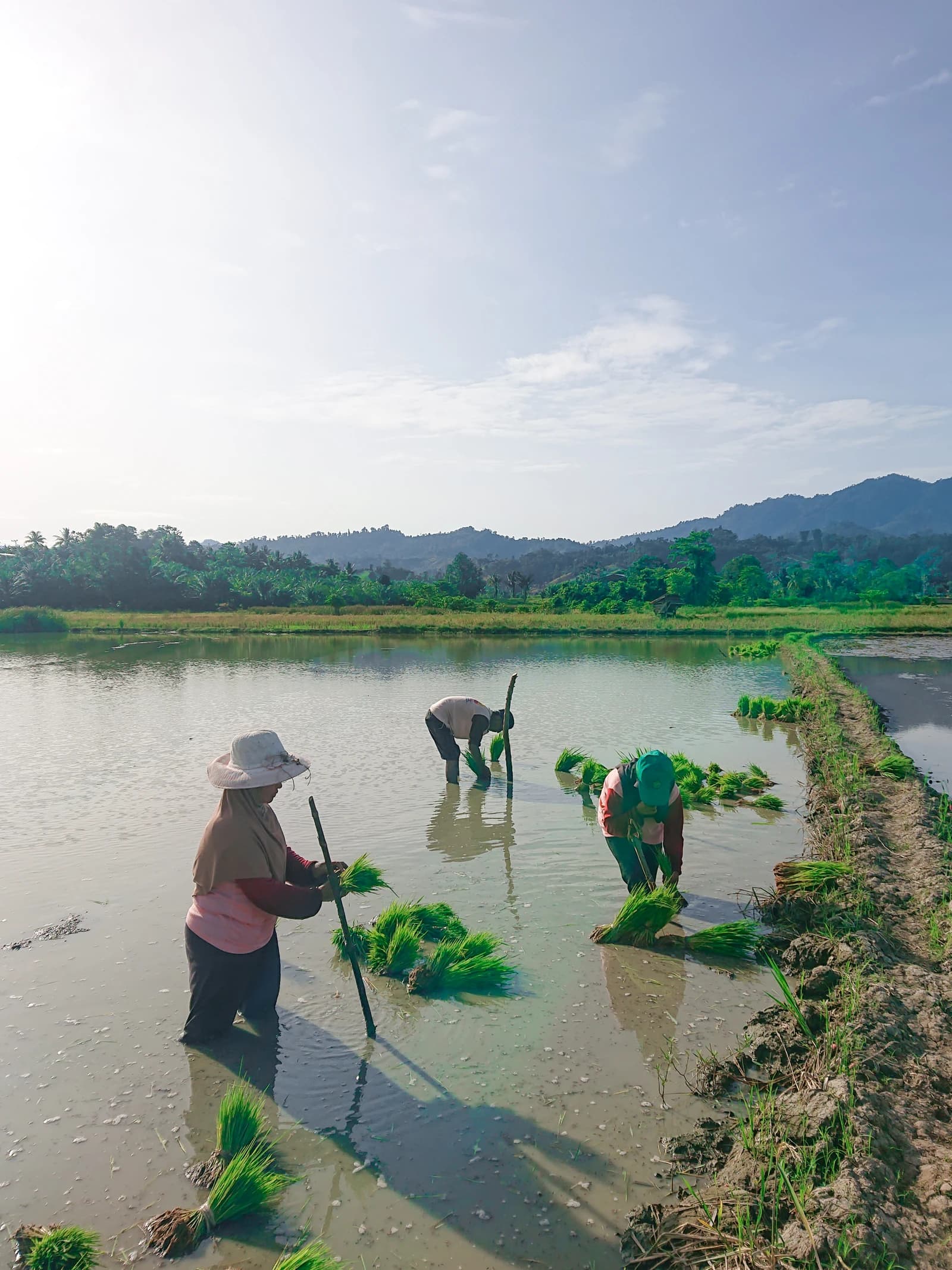
The West Sulawesi food, horticulture and livestock agency said rice planting area has declined in the two districts as drought leaves sawah tadah hujan, or rain-fed fields, without enough water to proceed. The setback matters because rice is Indonesia’s staple crop and West Sulawesi’s smaller producing regions are often vulnerable to weather shocks that quickly translate into lower harvests, tighter rural incomes and, if repeated across regions, pressure on food prices.
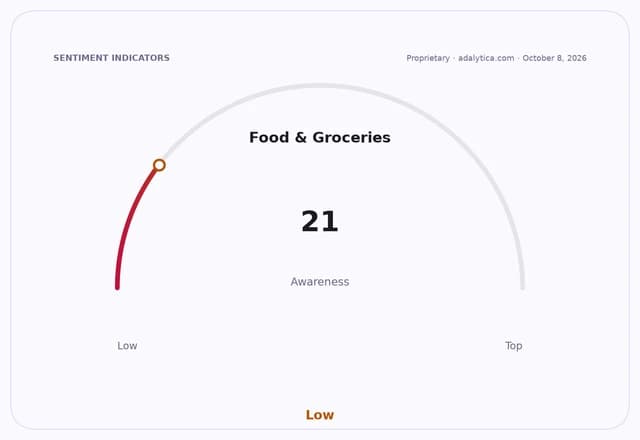
Sentiment IndicatorsⓘProprietary · adalytica.com · October 8, 2026
This is a snapshot — live sentiment, awareness and momentum for 130+ markets update continuously in the dashboard.Open AlphaPulse
In Majene, farmers have become more cautious after the Meteorology, Climatology and Geophysics Agency issued early warnings on extreme weather, officials said. Fields have dried to the point where planting has been delayed rather than merely reduced, a sign that the problem is moving beyond normal seasonal variation. In Polewali Mandar, where farmers in prior dry spells have tried to keep planting by using pumps, the deeper issue is now water scarcity itself: groundwater and river levels have fallen so far that pumps are no longer effective.
That distinction matters economically. Pumping can sometimes bridge a dry period and protect planting intentions, but once the water source disappears, acreage losses tend to be more durable and crop recovery becomes harder. For households that rely on rice farming, the result is lower output and potentially weaker cash flow during the next harvest cycle. For local markets, reduced planting raises the risk of leaner supplies later in the season, particularly if weather stress broadens across Sulawesi or other rain-fed regions.
The DTPHP said it is coordinating with district governments to map alternative water sources and distribute emergency support to affected farm areas. That response is important, but it also underscores how limited the near-term options are when drought is structural rather than temporary. Without enough rain or irrigation backup, farmers are left choosing between delaying planting, switching crops or risking a failed crop cycle.
For investors and policymakers, the immediate takeaway is not a tradable price shock but a familiar food-security risk: drought can hit production first, then rural incomes, and only later show up in broader inflation readings if supply tightness spreads. In rice-dependent economies, that sequence is closely watched because it can force faster government intervention through irrigation support, emergency logistics or stock releases.
The outlook now hinges on rainfall recovery and whether local authorities can identify water reserves quickly enough to salvage part of the planting window. If the dry spell persists, Majene and Polman could become early indicators of wider planting stress in eastern Indonesia, with implications for harvest volumes, farm earnings and the country’s food-price stability.
| Entity | Gains | Losses |
|---|---|---|
| Farmers with irrigation access | ▲Can keep planting | ▼Face less water stress |
| Rain-fed rice farmers | ▲Avoids immediate losses if rains return | ▼Lower acreage and output |
| Local consumers | ▲Potential supply stability if support works | ▼Higher food-price risk if drought persists |
| West Sulawesi authorities | ▲Chance to mitigate damage | ▼Pressure to deliver emergency water aid |