OM 18 rice prices at retail markets fell 500 VND per kilogram on Oct. 8 even as broader rice trading in Vietnam’s Mekong Delta remained sluggish, underscoring a market where weak buying is outweighing seasonal supply support.
Vietnam OM 18 rice prices fall on weak demand
The decline matters because it shows domestic rice pricing is losing momentum at the end of the harvest cycle, with traders reluctant to chase inventory and mills keeping purchases light. In a commodity market as thin as rice, even a modest retail price cut can be an early sign that downstream demand is not absorbing supply quickly enough to sustain earlier levels.
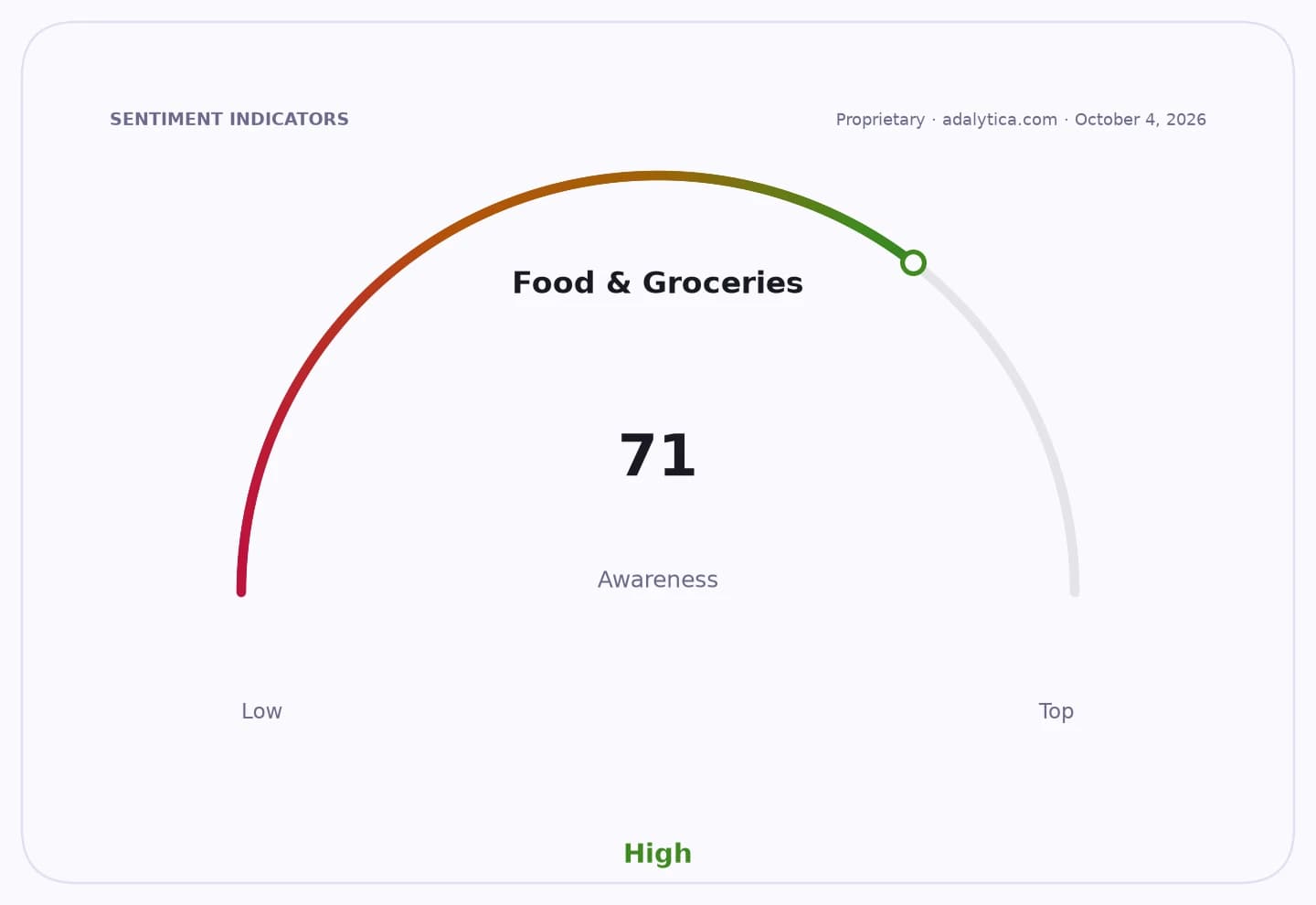
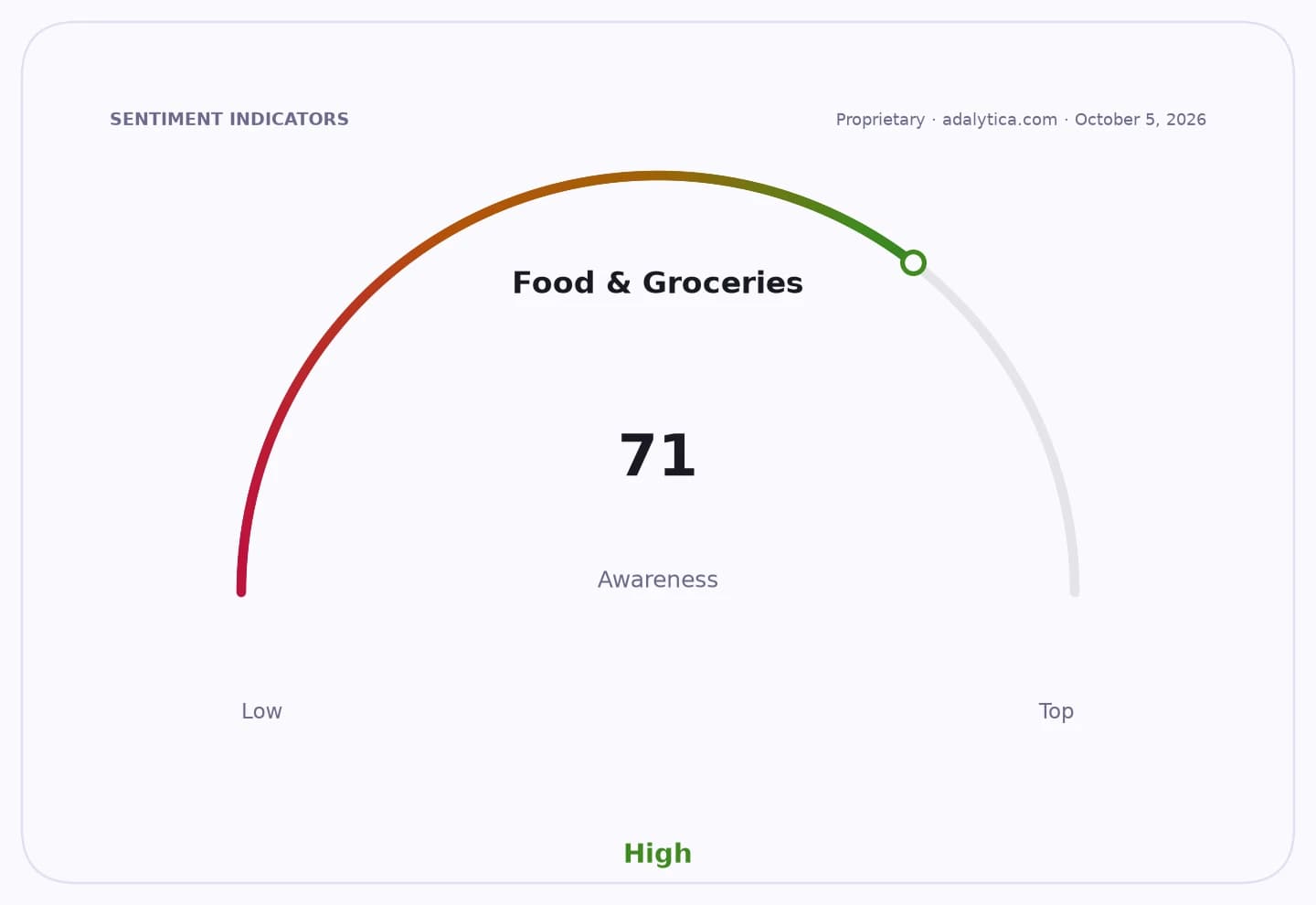
Sentiment IndicatorsⓘProprietary · adalytica.com · October 9, 2026
This is a snapshot — live sentiment, awareness and momentum for 130+ markets update continuously in the dashboard.Open AlphaPulse
In the Mekong Delta, where Vietnam’s rice trade is concentrated, paddy and rice quotations were mostly steady rather than strong. Fresh OM 18 paddy was quoted at 6,200-6,300 dong a kilogram in An Giang, while export-grade OM 18 paddy traded at 8,700-8,850 dong. Other paddy varieties such as Dai Thom 8, OM 34, IR 50404 and OM 5451 also moved in narrow ranges, suggesting no broad-based price shock in farmgate markets.
Still, transaction volumes were weak across key provinces including An Giang, Can Tho, Dong Thap, Vinh Long and Ca Mau. Traders reported limited buying, slow fresh Thu Dong crop activity and stable but soft pricing. That combination usually points to a market waiting for clearer export signals rather than one being driven by strong domestic consumption.
The export picture remains subdued. Vietnam’s 5% broken fragrant rice was quoted at $440-$445 a ton, while 100% broken fragrant rice was at $371-$375 and Jasmine at $515-$519, all unchanged from the previous day. That flat pricing comes as Thai 5% broken rice slipped to $455-$459 a ton and Indian prices stayed mixed, with 100% broken rice edging higher. The regional tone is one of caution rather than a firm rally.
For investors and agribusiness players, the significance is that Vietnam’s rice chain is entering a quieter phase with limited pricing power. Farmers and local traders face margin pressure if paddy costs stay sticky while retail and export prices soften. Exporters, by contrast, may gain some competitiveness if Indian and Thai benchmarks stay volatile, but only if buyers return to the market.
The next test will be whether export demand improves enough to absorb supplies from the Mekong Delta and stabilize OM 18 and other premium grades. If not, the current pattern of thin trading and narrow price bands could extend, keeping rice producers and merchants under pressure even as the broader Asian market remains calm.
| Entity | Gains | Losses |
|---|---|---|
| Exporters | ▲Better relative pricing | ▼Weak order flow |
| Farmers | ▲Stable farmgate quotes | ▼Softer retail prices |
| Traders/Mills | ▲Lower inventory risk | ▼Thin margins |
| Buyers | ▲Cheaper OM 18 rice | ▼Limited price support for sellers |