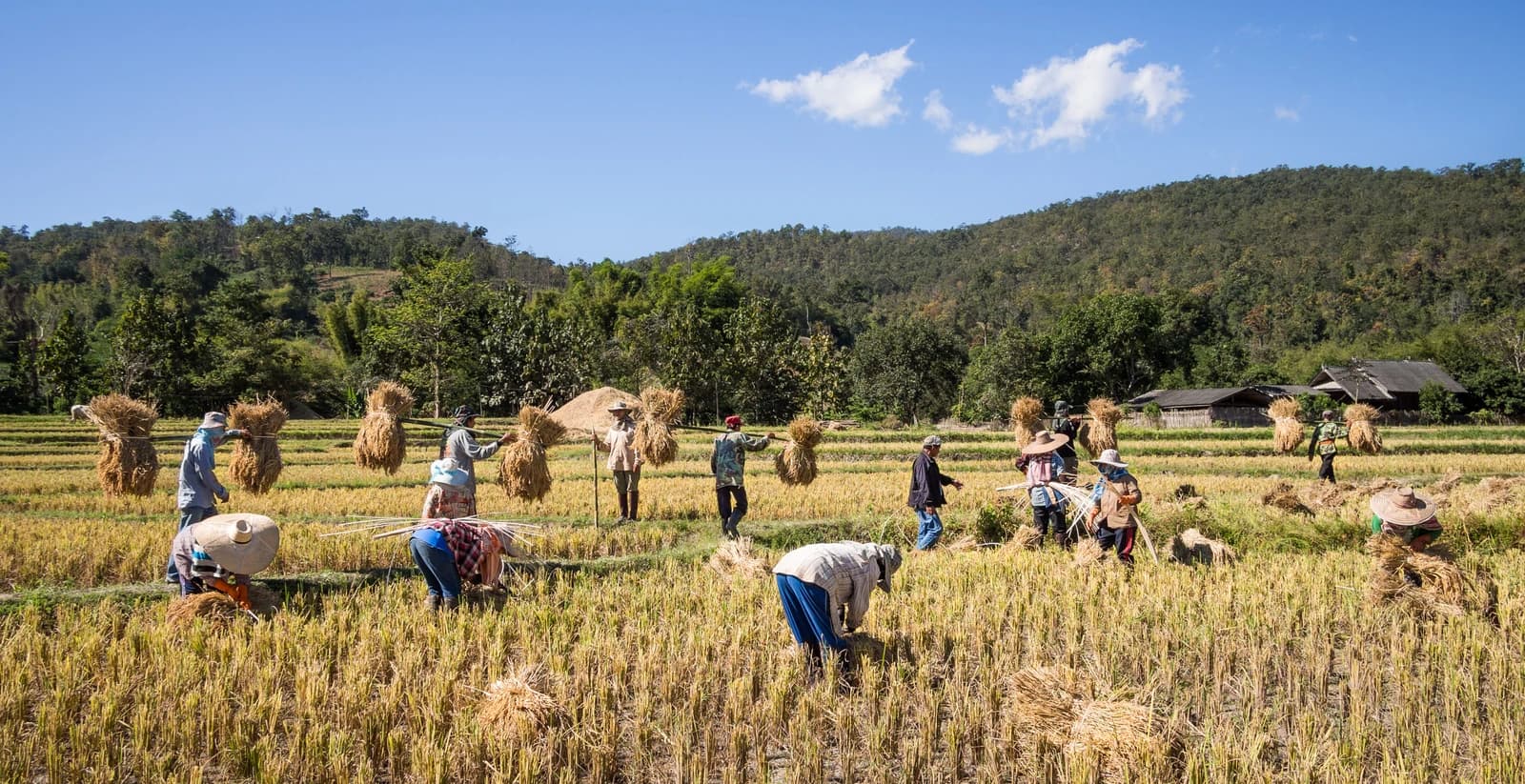
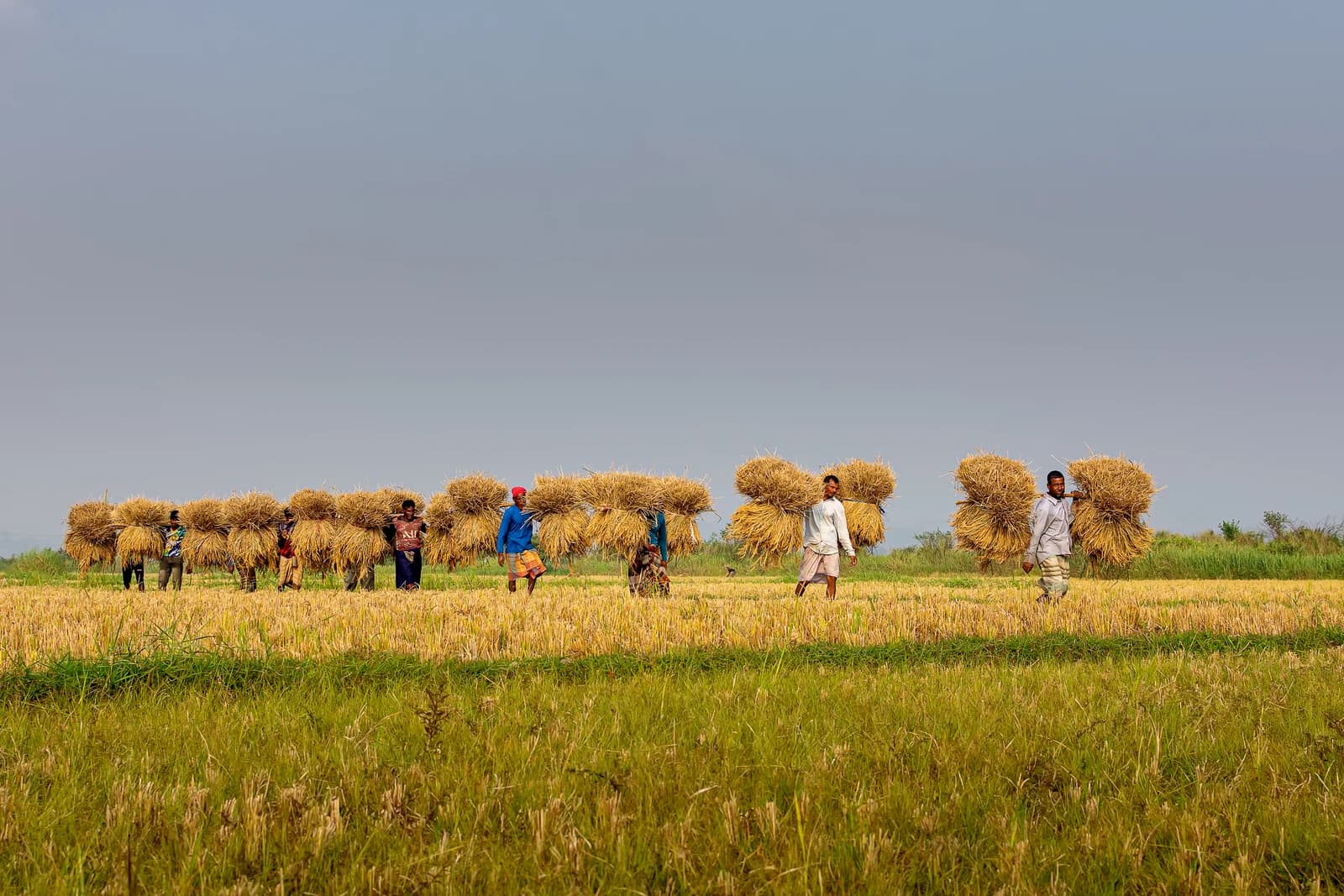
Vietnam’s rice exports slipped in both volume and value in the first nine months of 2026 as weak overseas demand and softer prices weighed on the country’s key farm export.
Vietnam rice exports fall as prices soften
The country shipped 6.4 million tons of rice worth $3.11 billion in the period, down 6.1% from a year earlier in volume and 10.9% in value, according to the Ministry of Agriculture and Environment. Average export prices fell 5.1% to about $484.8 a ton, underscoring the pressure on earnings even as output remained sizable.
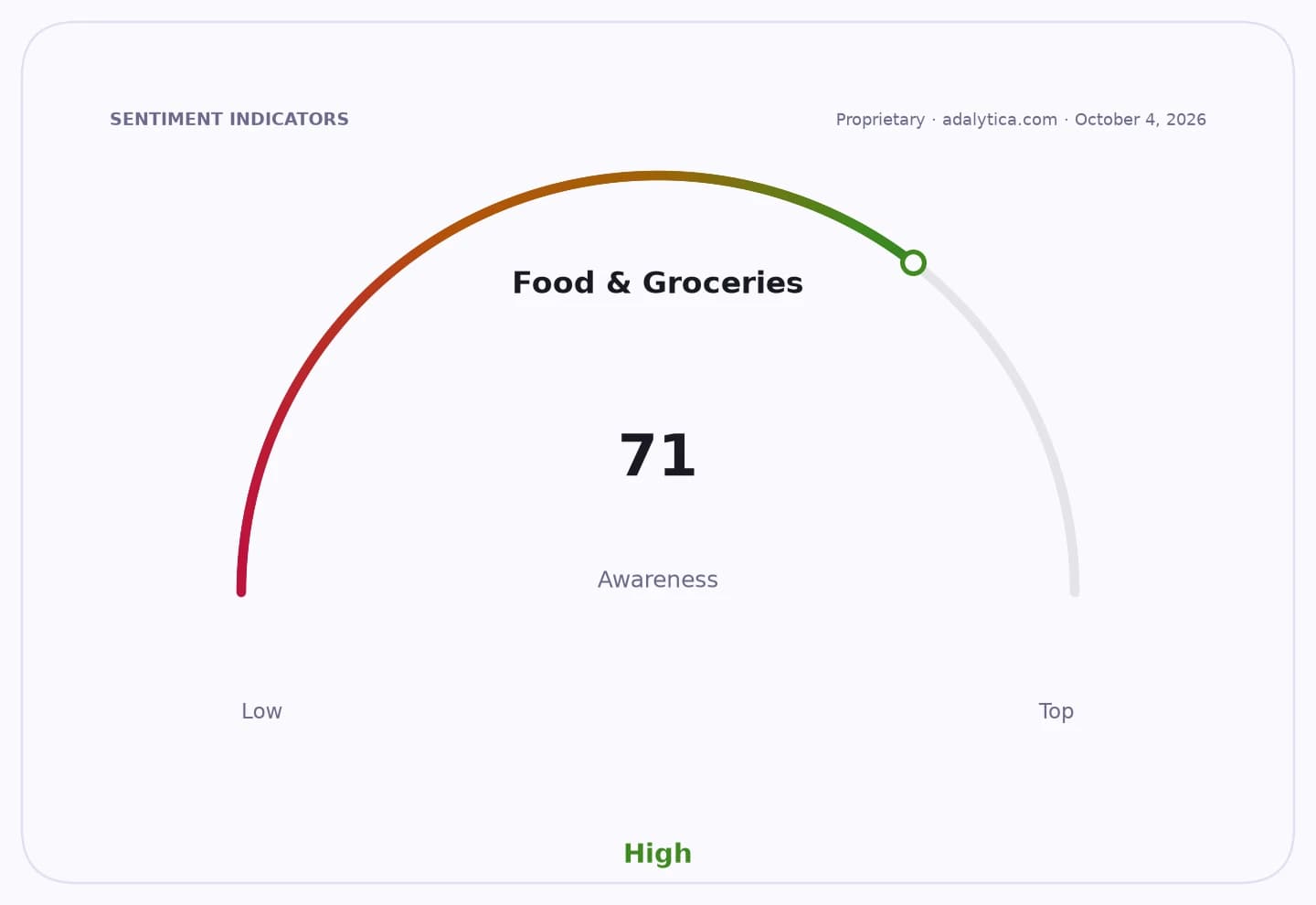
Sentiment IndicatorsⓘProprietary · adalytica.com · October 4, 2026
This is a snapshot — live sentiment, awareness and momentum for 130+ markets update continuously in the dashboard.Open AlphaPulse
The drop matters because rice is one of Vietnam’s most important agricultural exports and a major source of income for farmers, traders and millers in the Mekong Delta. Lower export prices mean Vietnam has to ship more grain just to hold revenue steady, a problem when demand is already soft in key markets.
The Philippines remained Vietnam’s biggest buyer, taking 40.9% of shipments, followed by China at 17.4% and Ghana at 12.7%. But sales to the Philippines fell 16.8% in value and Ghana was down 1.1%, while exports to China jumped 76%, offering a partial offset.
Iraq was the standout. Among Vietnam’s 15 largest rice markets, exports to the Middle Eastern buyer surged 98.9-fold in value, while shipments to Ivory Coast fell 52.8%, the steepest decline in the group. That split suggests Vietnam is leaning more heavily on a narrower set of markets as traditional buyers pull back.
The price squeeze is showing up at home as well. Vietnamese 5% broken rice was offered at $420-$430 a ton on Oct. 1, down from $430 a ton a week earlier, even though domestic supply was described as tight. Traders in Ho Chi Minh City said external demand remained weak.
The broader Asian rice market is mixed. India’s export prices have climbed to their highest in more than a year on tighter supply and improving demand, while Thai prices have held at $460 a ton. Bangladesh, by contrast, is seeing higher domestic rice prices as fuel costs rise.
For Vietnam, the late-year outlook hinges on whether demand from the Philippines and China recovers enough to stabilize pricing. The government is also pushing its one-million-hectare low-emissions rice program in the Mekong Delta, with 420,800 hectares already under full or partial sustainable production practices by August, as it tries to build a higher-value export base.
| Entity | Gains | Losses |
|---|---|---|
| Vietnam rice exporters | ▲Higher sales to China and Iraq | ▼Lower prices and softer overall demand |
| Philippine buyers | ▲More bargaining power | ▼Less supply stability if purchases slow |
| Chinese importers | ▲Bigger access to Vietnamese supply | ▼None from this development |
| Vietnamese farmers/millers | ▲Potential premium from low-emissions rice | ▼Margin pressure on standard grades |