Rice prices may keep climbing after a sharp tightening in the global balance sheet, even as Vietnamese farmgate and export quotes remained mostly steady at the weekend, because lower world output, stronger demand and higher freight costs are feeding through to import bills.
Rice prices climb on tighter global supply
The clearest economic message from the data is that the rice market is no longer being driven only by local harvest conditions in the Mekong Delta. Export benchmarks are holding firm — Vietnamese 5% broken white rice was offered at $420-$424 a metric ton, Jasmine at $515-$519 and fragrant rice at $440-$445 — but those levels sit against a broader global backdrop that is turning more inflationary for importers.
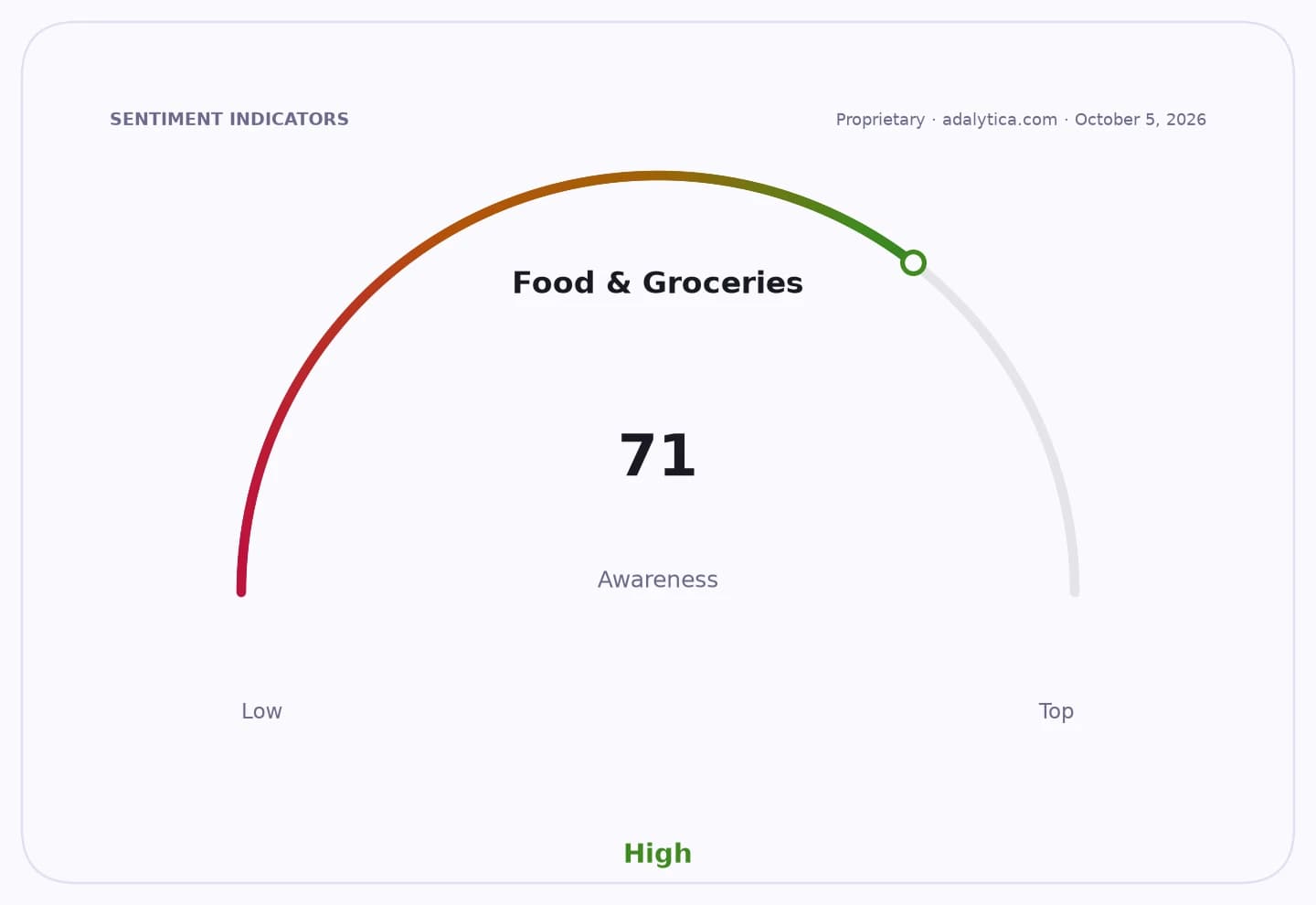
Sentiment IndicatorsⓘProprietary · adalytica.com · October 5, 2026
This is a snapshot — live sentiment, awareness and momentum for 130+ markets update continuously in the dashboard.Open AlphaPulse
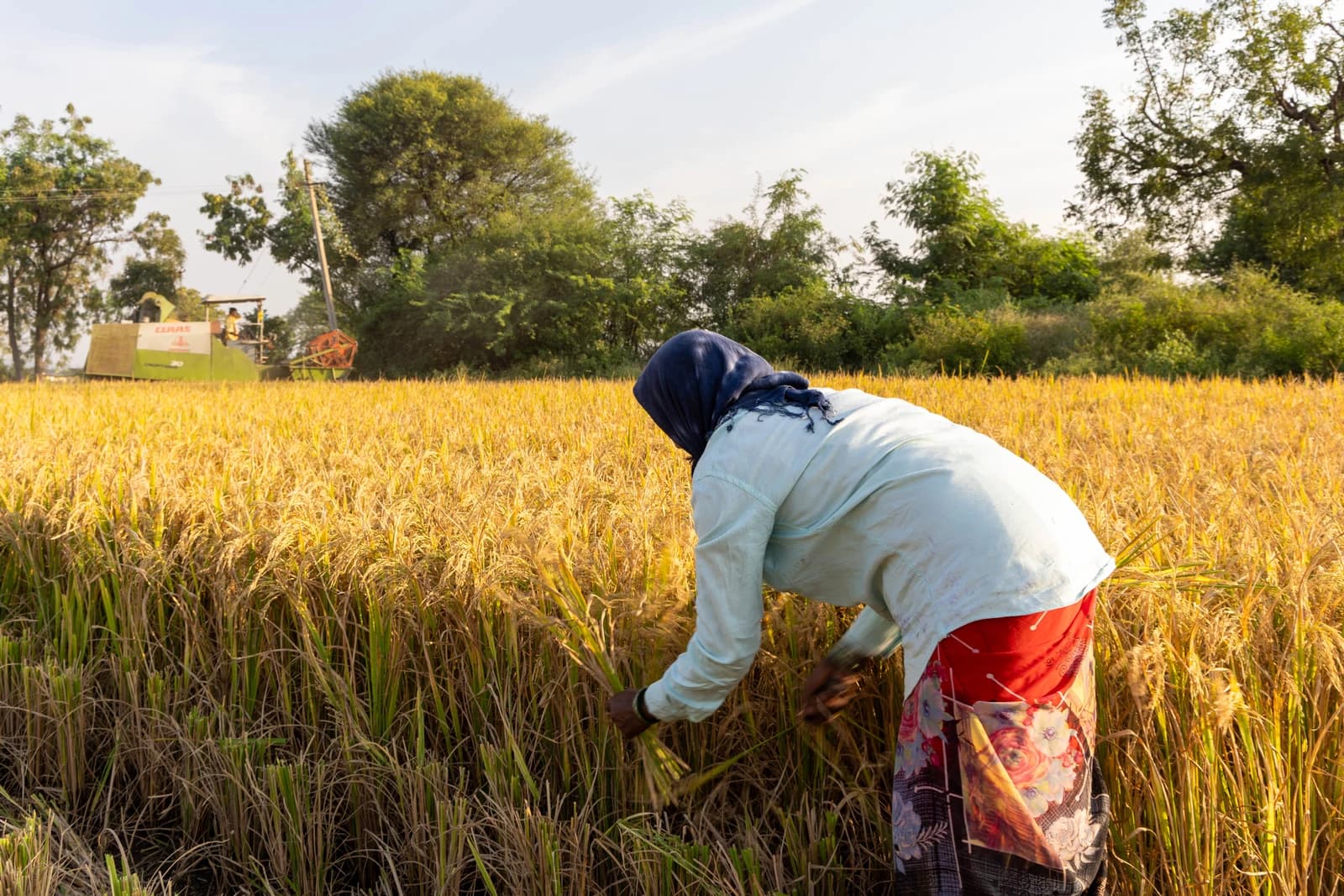
In Vietnam’s southern production hub, raw rice prices were largely unchanged, with IR 504 at 8,700-8,800 dong per kilogram and CL 555 only 50 dong lower at 8,750-8,800 dong. Fresh paddy prices in An Giang also showed little movement. That stability matters because it suggests the immediate local supply picture is not yet in panic mode. But it does not offset the bigger shift in the international market.
India, the world’s largest rice exporter, said global rice output could fall 9% even as demand rises 14%, according to the Indian Rice Exporters Federation. Dev Garg, a senior federation official, said wholesale rice prices globally have already risen 15% in the past four months and warned that high fuel and fertilizer costs, El Niño-related crop stress and tighter supply at other major exporters are likely to keep prices under pressure.
That has direct economic implications. Rice is a staple for more than half of the world’s population, so even modest percentage increases ripple quickly into food inflation, household budgets and government subsidy bills, especially in Asia and Africa, where many countries rely on imported rice. Higher freight costs are amplifying the squeeze: marine fuel has reportedly jumped to about $1,300-$1,400 a ton from $400-$500 previously, lifting delivered prices even when the export quote itself is unchanged.
The market backdrop also points to tighter agricultural inflation more broadly. U.S. producer price and consumer price gauges in the data are still elevated, while commodity proxies show grains have not broken decisively lower. The DBA agriculture ETF has slipped back to $28.21 from a recent $29.32, but wheat and corn funds remain well above their late-summer levels, reflecting a market that is still sensitive to weather and supply shocks rather than comfortably supplied.
For investors, the key question is not whether Vietnamese or Thai exporters can hold current offer prices for a few more sessions, but whether the global rice complex is entering a period where supply shortfalls persist long enough to support margins for exporters and keep input costs elevated for import-dependent economies. That is bullish for growers, traders and shipping-linked beneficiaries, but negative for food processors, retailers and consumers in net-importing countries.
The near-term risk is that the market is underestimating how long weather damage and higher logistics costs can last. If India’s large surplus proves sufficient, it could cap the upside later this year. But for now, the mix of lower expected global production, firmer demand and cost inflation suggests rice prices have more room to rise before the market finds a new equilibrium.
| Entity | Gains | Losses |
|---|---|---|
| Rice exporters | ▲Higher selling prices | ▼Demand sensitivity from importers |
| Rice importers | ▲Supply access from India | ▼Higher landed costs |
| Farmers | ▲Better crop pricing | ▼Weather and input-cost risk |
| Consumers | ▲— | ▼Food inflation pressure |