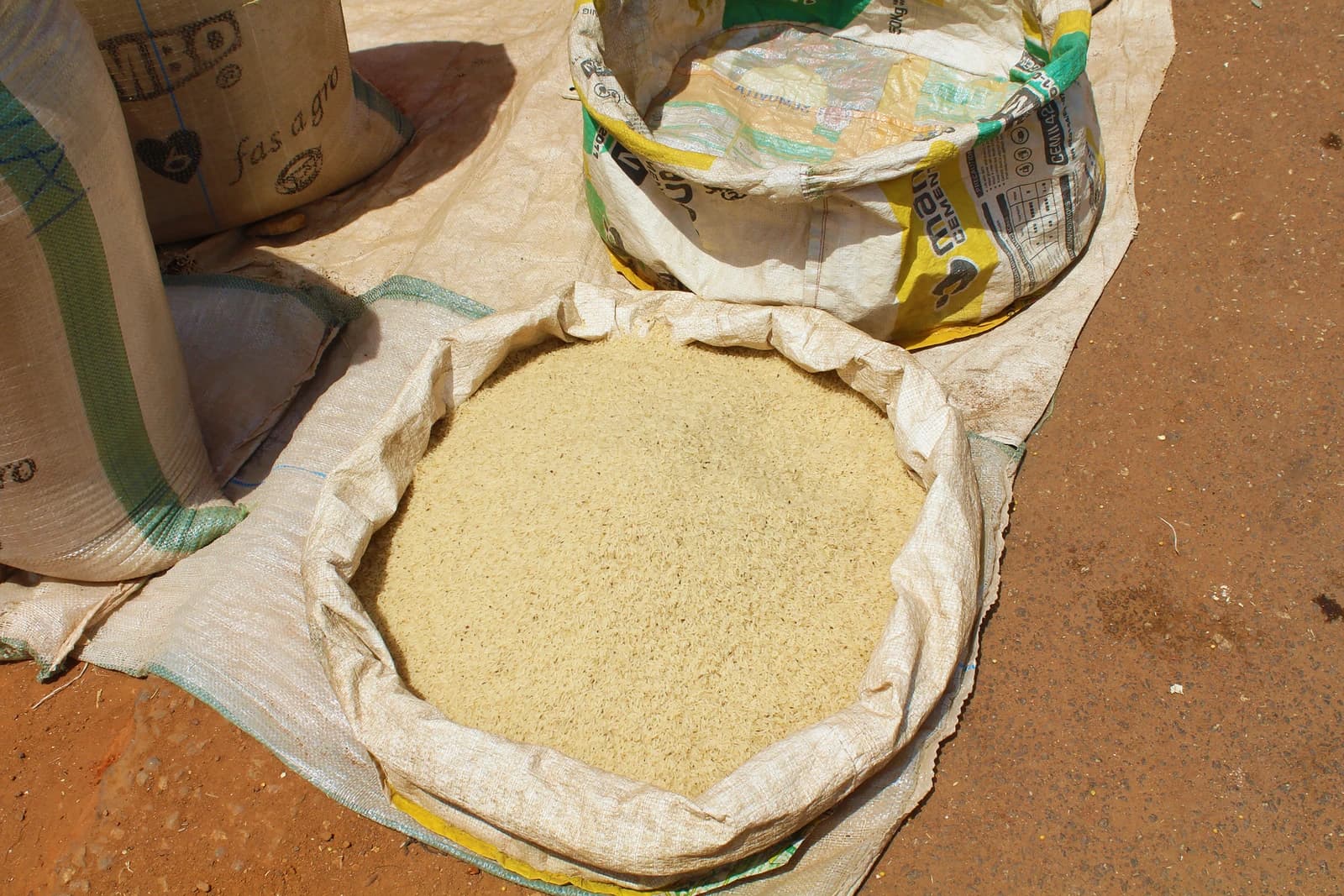
Indonesia’s state logistics agency Bulog has already absorbed 4.11 million tons of farmers’ rice, surpassing its full-year target and underscoring a government push to stabilize supplies and bolster food security ahead of rising political pressure on prices.
Bulog rice stocks hit record 4.5 million tons
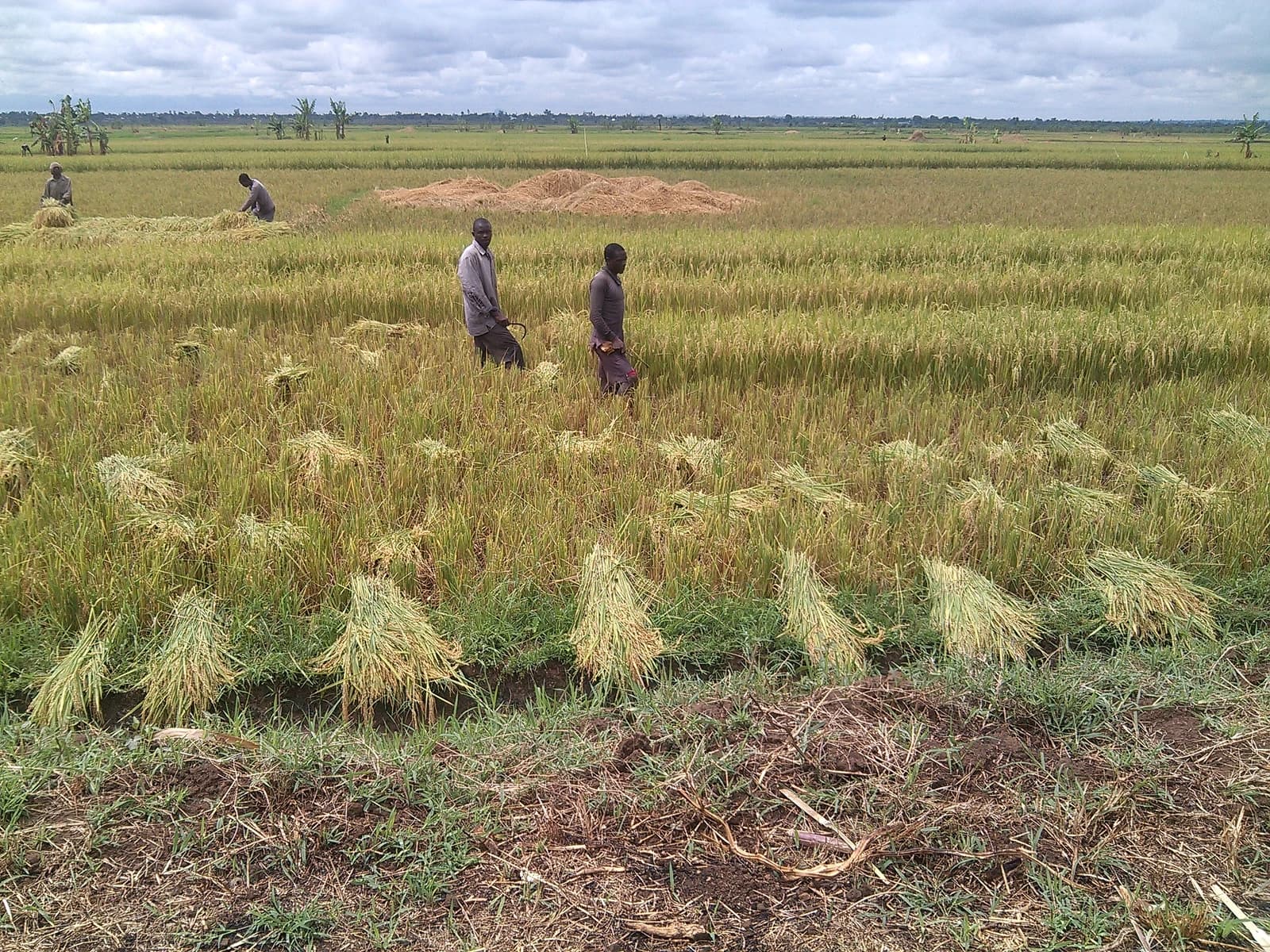
The scale of the buying matters because rice is Indonesia’s most sensitive staple, and Bulog’s purchases effectively act as a backstop for farm incomes and consumer inflation at the same time. With state rice stocks now at 4.5 million tons, the largest in Bulog’s history, Jakarta has more room to intervene if domestic prices rise, while also signaling confidence in local production after years of dependence on imports and weather-driven shortages.
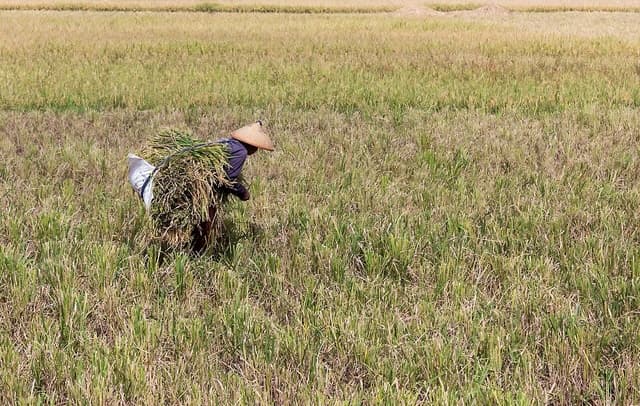
Bulog chief Ahmad Rizal Ramdhani said the procurement had reached more than 4 million tons by late September and climbed further to about 4.11 million tons by Oct. 10, calling it a milestone in the country’s push toward “sustainable food self-sufficiency.” The agency’s buying has been supported by coordination across the government, the military, police and farmers, reflecting the administration’s use of the state apparatus to secure supplies from the harvest through to procurement.
For investors, the story is less about a single rice shipment than about policy direction. A large state buffer can dampen the need for emergency imports and reduce near-term price spikes, but it also raises questions about how long the government can keep buying aggressively without distorting market incentives or building costly inventories. If domestic output holds up, the stockpile gives policymakers flexibility; if harvest conditions weaken later in the year, it becomes a crucial shield against inflation and social pressure.
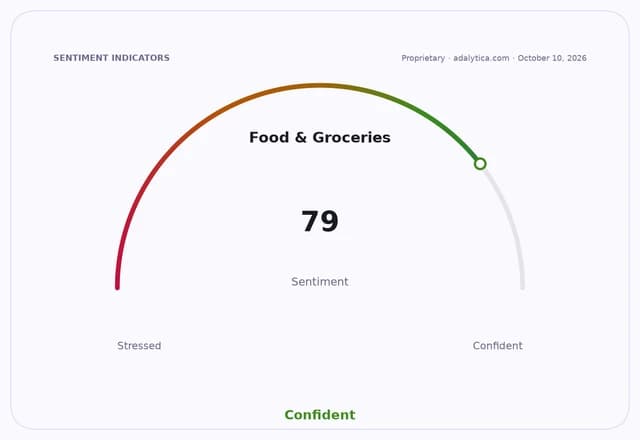
The market read-through extends beyond Indonesia. Larger state purchases tend to tighten locally available supply and support farm-gate prices, even as they can weigh on traders and import-dependent buyers. For food inflation watchers, the record stockpile suggests the government is prioritizing supply security over market liberalization, a stance that could keep rice policy central to the administration’s economic agenda in the months ahead.
| Entity | Gains | Losses |
|---|---|---|
| Bulog / Indonesian government | ▲Bigger rice buffer | ▼Higher storage burden |
| Indonesian farmers | ▲Stronger state demand | ▼Less spot-market upside |
| Consumers | ▲Lower shortage risk | ▼Little relief if prices stay high |
| Importers / traders | ▲— | ▼Tighter market access |