Rice traders are warning that as many as a quarter of modern rice mills could shut if soaring paddy costs, higher power bills and heavy debt loads are not eased, turning a price spike into a broader stress test for India’s food system.
India rice mills face shutdown risk from higher costs
That matters because rice is still the backbone of daily consumption for millions of households, especially lower- and middle-income buyers who are already feeling pressure from higher food costs. When millers cannot pass through rising input expenses, the result is not just thinner margins — it can mean reduced processing, delayed supply and more volatility in the retail market.
In Tamil Nadu, rice mill owners say 20% to 25% of modern mills are already unable to keep operating because they cannot service loans or cover costs. The complaint is straightforward: paddy is more expensive, rainfall has hurt output in key growing districts, and millers are being forced to buy from other states at higher prices to meet demand.
The cost stack is getting heavier. Millers say electricity charges have risen, including a 6% annual tariff increase and higher fixed charges for low-tension and high-tension connections, while peak-hour power is also pricier. Add diesel for generators during outages, wage inflation, transport costs, GST on small retail packs and the expense of modernizing plants with borrowed money, and the economics begin to break down quickly.
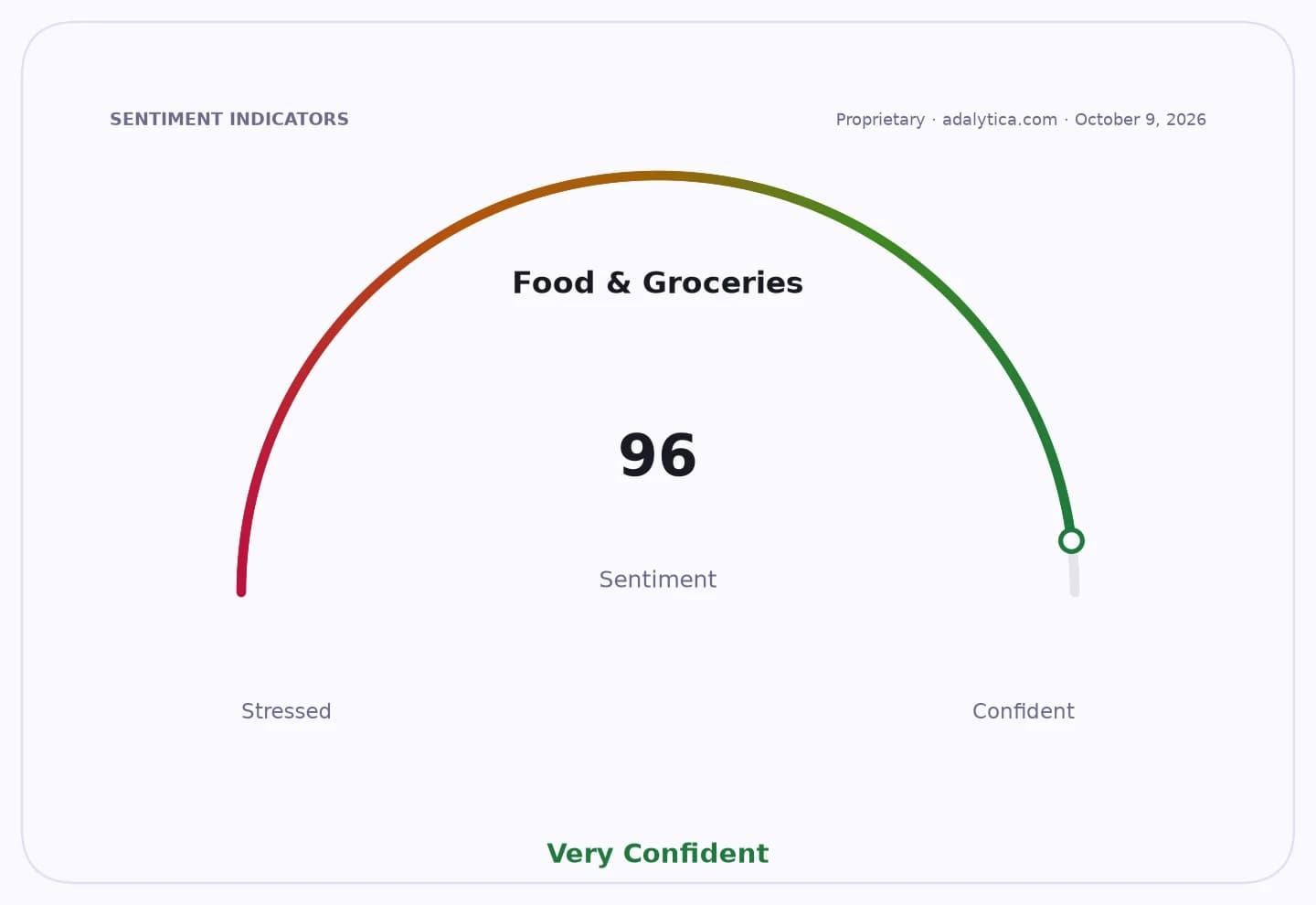
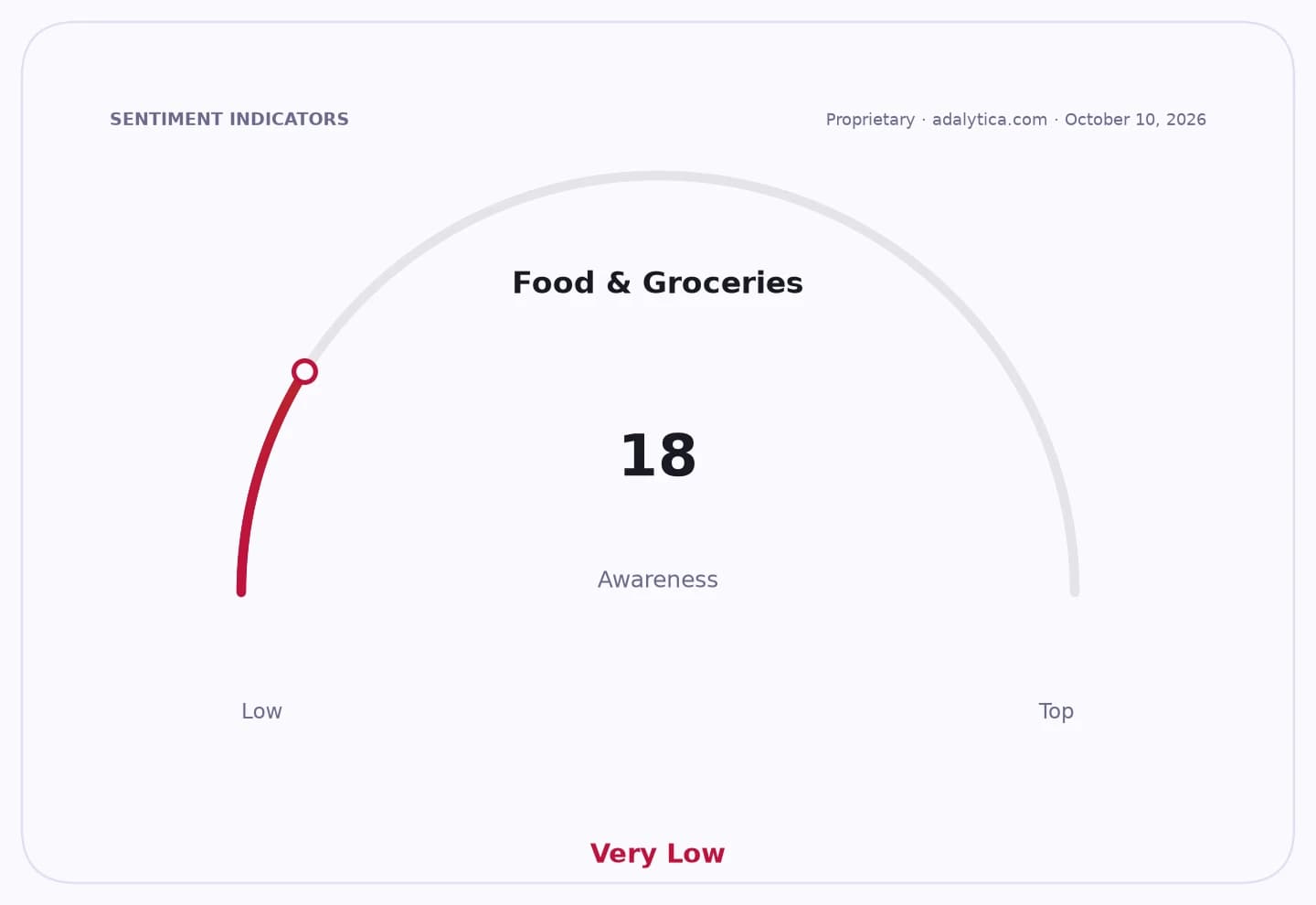
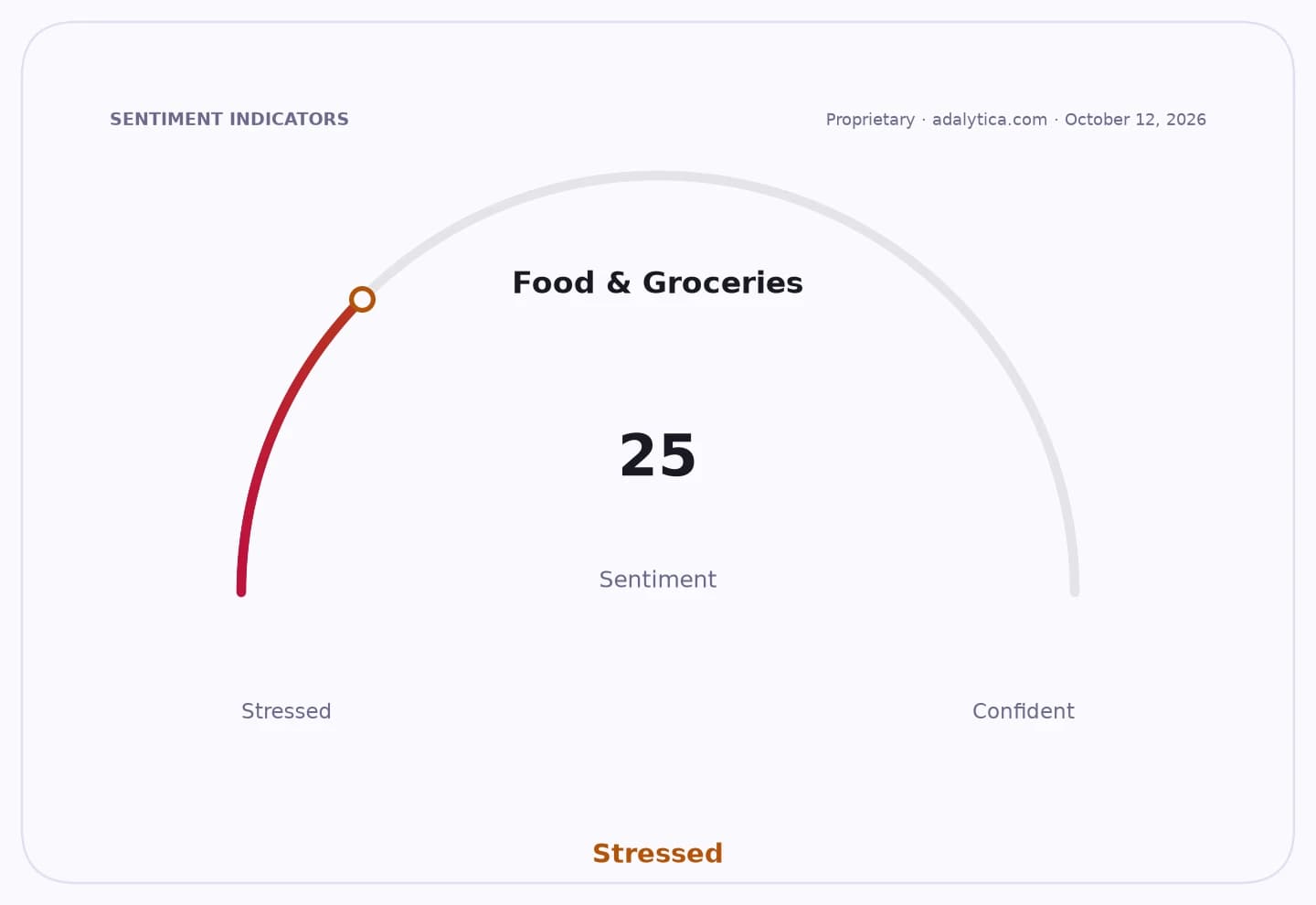
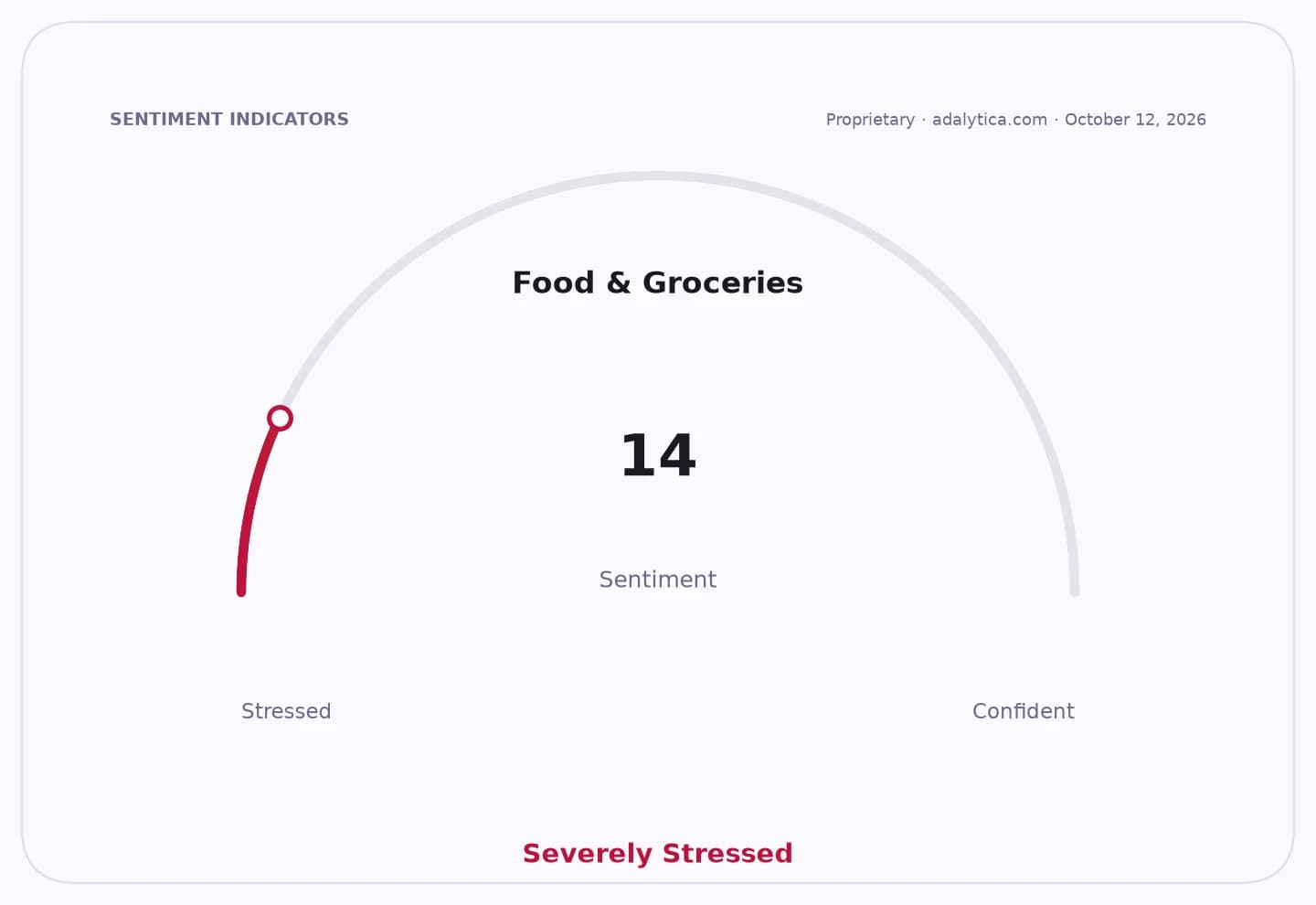
Food & Groceries — 30-day sentimentadalytica.com
Explore this data interactively — full history, time series and cross-market comparisons.Open AlphaPulse
For investors, the story is less about one region’s millers and more about the fragile economics of a staple food market. Producers and processors benefit from tighter supply and firmer prices, but consumers and downstream retailers lose purchasing power. If raw rice shortages persist, the pressure can spread into branded staples, local wholesale prices and government procurement policy.
The mills are also pointing to structural problems in the supply chain. They say the state’s procurement system leaves some paddy with the wrong moisture profile or lower quality after open-air storage, reducing milling recovery and making it harder to produce premium rice varieties. If that continues, the market may see a lasting split between higher-value slender and extra-slim rice grades and cheaper everyday varieties.
That makes the policy response crucial. Traders are effectively asking the government to step in to restrain the price rise, but any durable fix would likely require better procurement, lower logistics friction and more efficient distribution of ration rice. If the supply chain keeps leaking value at every step, retail prices stay elevated even when demand is weak.
For long-term investors, this is a reminder that food inflation is not just a consumer issue — it is an operating-cost issue for the entire agricultural and packaged-food ecosystem. The winners are farmers with stronger pricing power and processors that can run efficiently at scale. The losers are small mills, price-sensitive consumers and anyone dependent on a smooth, low-margin staple chain. Worth watching closely. | Entity | Gains | Loses |
| -------- | ------- | ------- |
|---|---|---|
| Farmers | ▲Higher paddy prices | ▼Consumers |
| Large rice mills | ▲Scale advantages | ▼Small mills |
| Consumers | ▲— | ▼Higher staple prices |
| Government | ▲Policy leverage | ▼Supply-chain credibility |