A prolonged rain deficit in Karnataka has driven rice and toor dal prices to fresh highs, tightening household budgets and threatening to feed into wider food inflation if crop losses deepen.
Karnataka Rice, Toor Dal Prices Rise on Rain Deficit
The immediate economic risk is not just higher kitchen-table costs in one state, but a supply shock in staples that can ripple through traders, mills, restaurants and eventually consumer price readings. Karnataka’s June-to-September rainfall deficit of 35% has reduced output in a crop cycle already marked by water stress, lower sowing and delayed planting, while prices are rising faster than the government can easily cushion through market intervention.
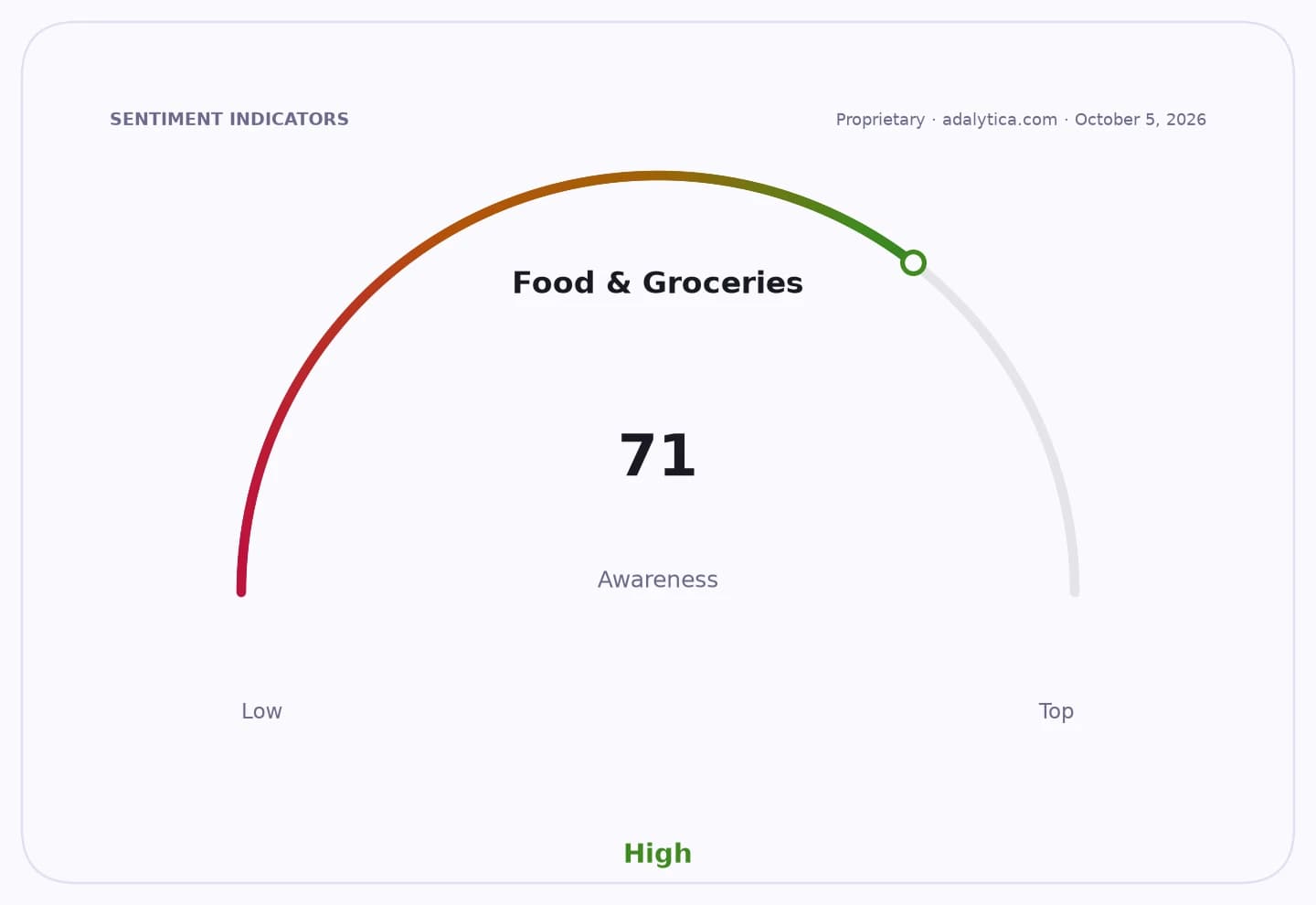
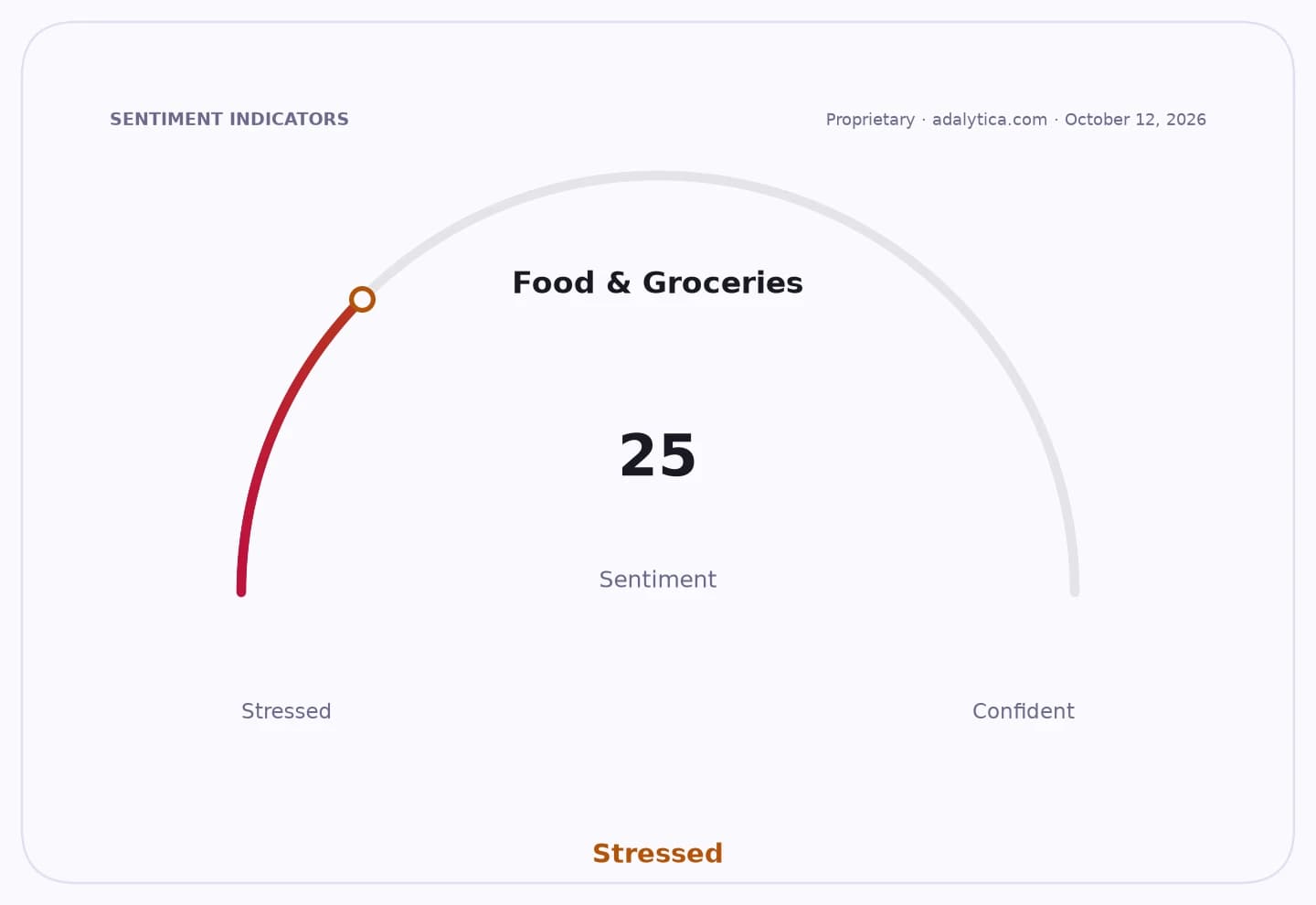
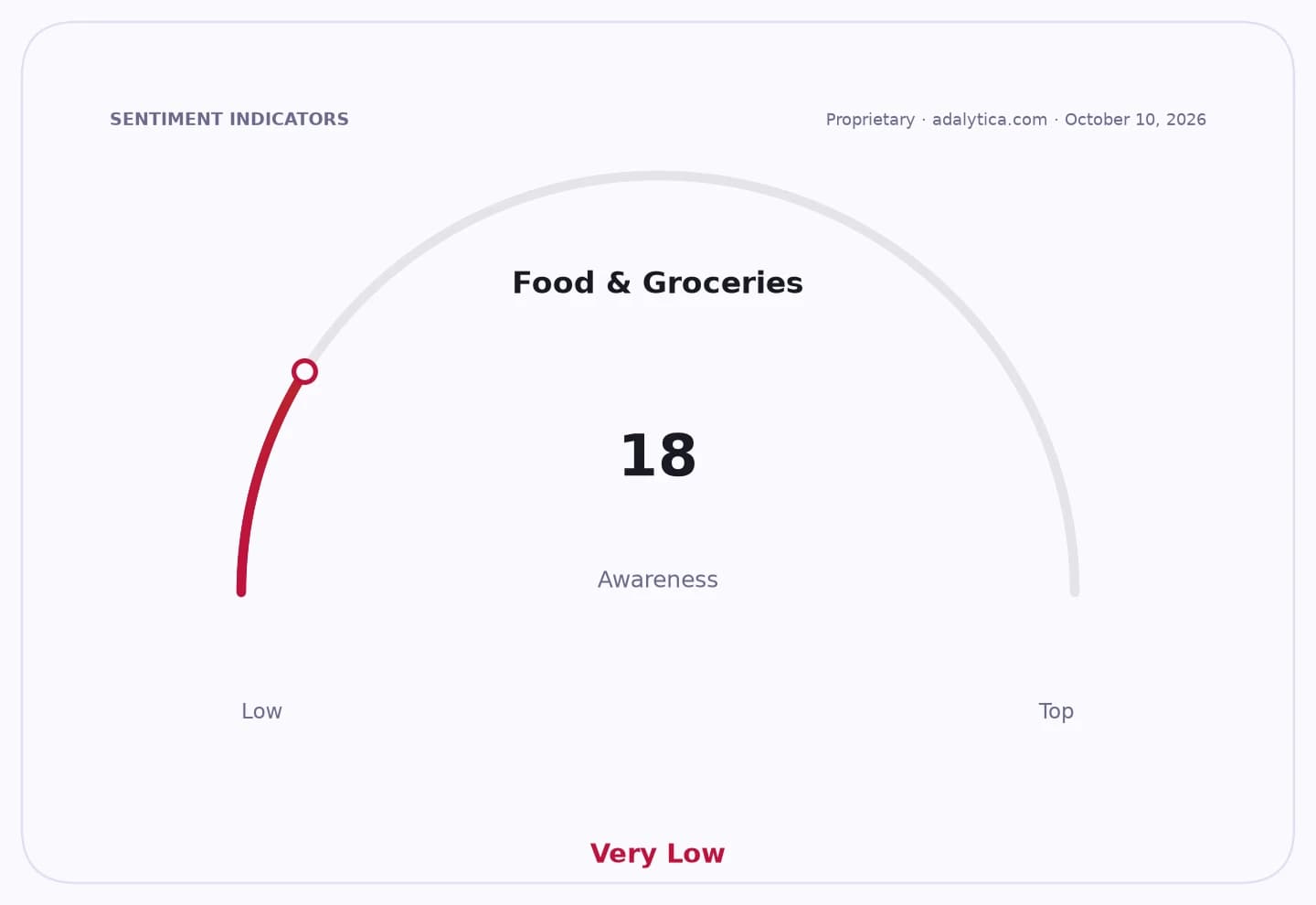
Sentiment IndicatorsⓘProprietary · adalytica.com · October 12, 2026
This is a snapshot — live sentiment, awareness and momentum for 130+ markets update continuously in the dashboard.Open AlphaPulse
Traders say the price of Sona Masuri rice has risen to about ₹80 per kg from ₹75, while basmati has climbed to ₹140 from ₹110, bullet rice to ₹100 from ₹80, Kolam to ₹100 from ₹75 and Rajamudi to ₹150 from ₹125. Toor dal varieties have gained ₹10 to ₹15 per kg in just 10 days, with Gulbarga fatkar now at ₹145 from ₹125. For families that buy these staples every week, the increases are immediate; for hotels and food businesses, they raise the prospect of menu-price hikes and margin pressure.
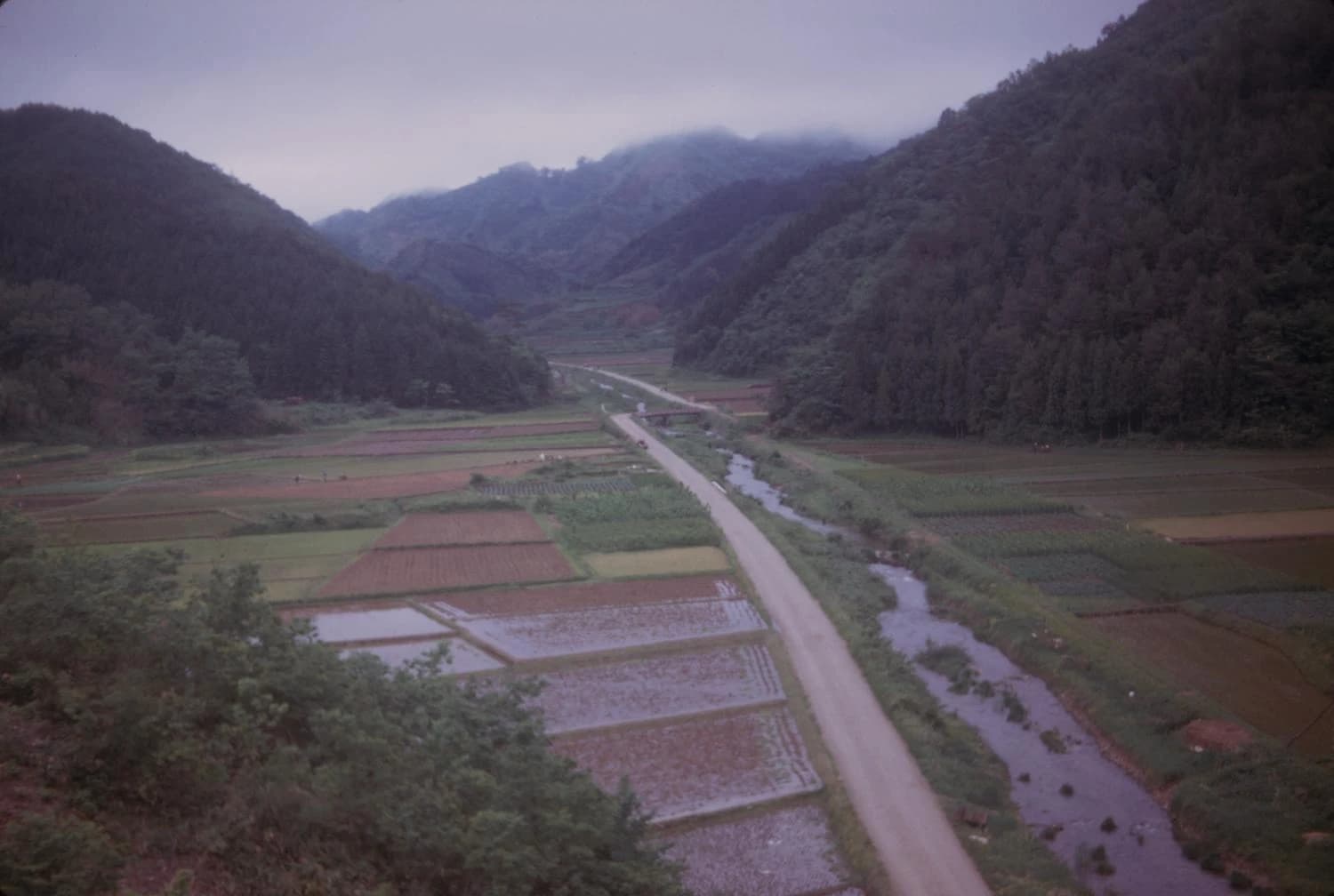
The strain is showing up in the farm economy too. Karnataka’s agriculture department had targeted paddy cultivation across 10 lakh hectares for the kharif season, but only 6.2 lakh hectares were sown. Toor dal sowing reached 13.35 lakh hectares against a target of 16 lakh hectares, also down from last year. With paddy procurement costs rising from ₹3,500 to ₹4,600-₹4,700 per quintal in two months, millers say the supply squeeze has already pushed up raw material costs and left rice stocks thin across the state.
That matters because Karnataka is not a marginal producer. It is a major rice-growing state and, along with Maharashtra, one of India’s leading toor dal producers. When output in a large producing region falls, the pain does not stay local for long. Lower arrivals can lift wholesale prices, squeeze processors and retailers, and force consumers to substitute toward other cereals and pulses, pushing pressure into adjacent food categories.
Agronomists and farmer groups say the problem is fundamentally climatic and operational. Water was not released from reservoirs on time in key paddy belts such as Ballari, Raichur, Gangavati and Mandya, according to the Karnataka Rajya Raitha Sangha, while toor dal areas in Kalaburagi were hit by inadequate moisture, extreme heat and, in some cases, flood damage last year. One agriculture professor estimated more than 50% crop loss in paddy districts could be recorded if rains do not improve, underscoring how dependent the final harvest is on late-season showers in October and November.
For investors, the story cuts across food inflation, rural demand and agricultural commodities. Higher staple prices tend to erode real disposable income, which can hit consumption in a state economy already under pressure from weather shocks. They can also keep policymakers attentive to inflation dynamics if similar conditions spread beyond Karnataka. In commodity markets, the rally supports rice and pulse prices domestically, even if global benchmarks do not move in lockstep, while agribusinesses exposed to farm output, warehousing, milling and distribution may see volatility in margins and working capital needs.
The upside case is that timely late-October and November rains stabilize yields, restore some market arrivals and cap further gains. The bear case is a deeper harvest shortfall that keeps prices elevated into the next marketing cycle, forcing households to absorb more food inflation and leaving mills, restaurants and traders to compete for scarcer supply.
If the monsoon deficit persists, the price shock in rice and toor dal could become a broader test of India’s food resilience heading into the next cropping season.
| Entity | Gains | Losses |
|---|---|---|
| Farmers with stored grain | ▲Sell at higher prices | ▼Face weaker overall yields |
| Rice mills and hotels | ▲None | ▼Higher procurement and input costs |
| Households | ▲None | ▼Higher food bills |
| Government | ▲Can frame relief response | ▼Faces inflation pressure |