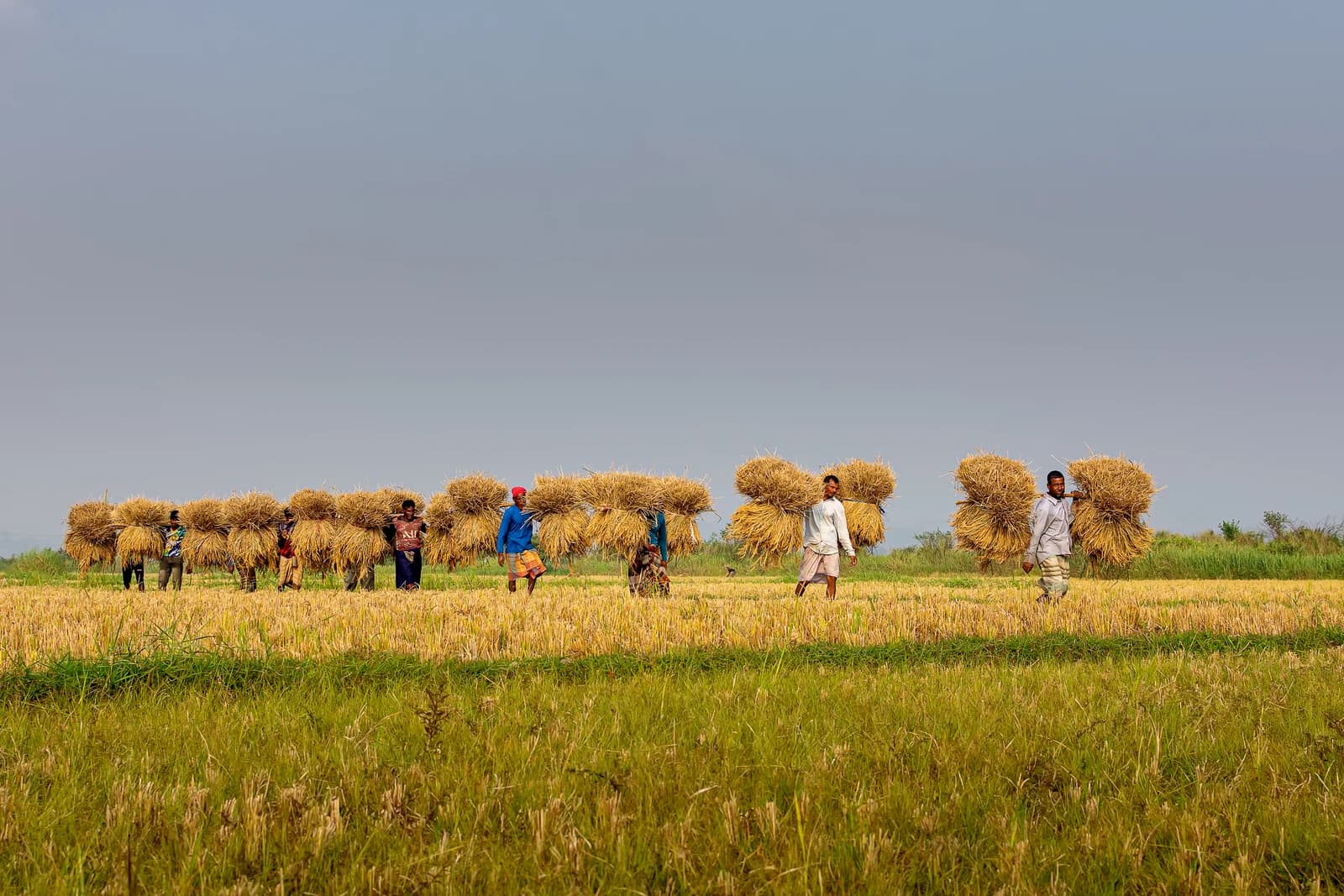
Rice trading in Vietnam remained sluggish on Oct. 10, leaving export prices flat and domestic buying largely unchanged even as the Thu Dong crop starts to come to market.
Vietnam rice prices stay flat as new crop arrives
That matters because rice is still one of Southeast Asia’s most politically sensitive staples, and when trade slows, the market usually tips into a holding pattern rather than a rally. For farmers, mills and exporters, that means pricing power stays weak. For consumers, it helps prevent a fresh food-inflation spike. For investors watching the broader agri-commodity complex, it signals that Vietnam — one of the world’s key rice exporters — is entering a wait-and-see phase instead of a supply shock.
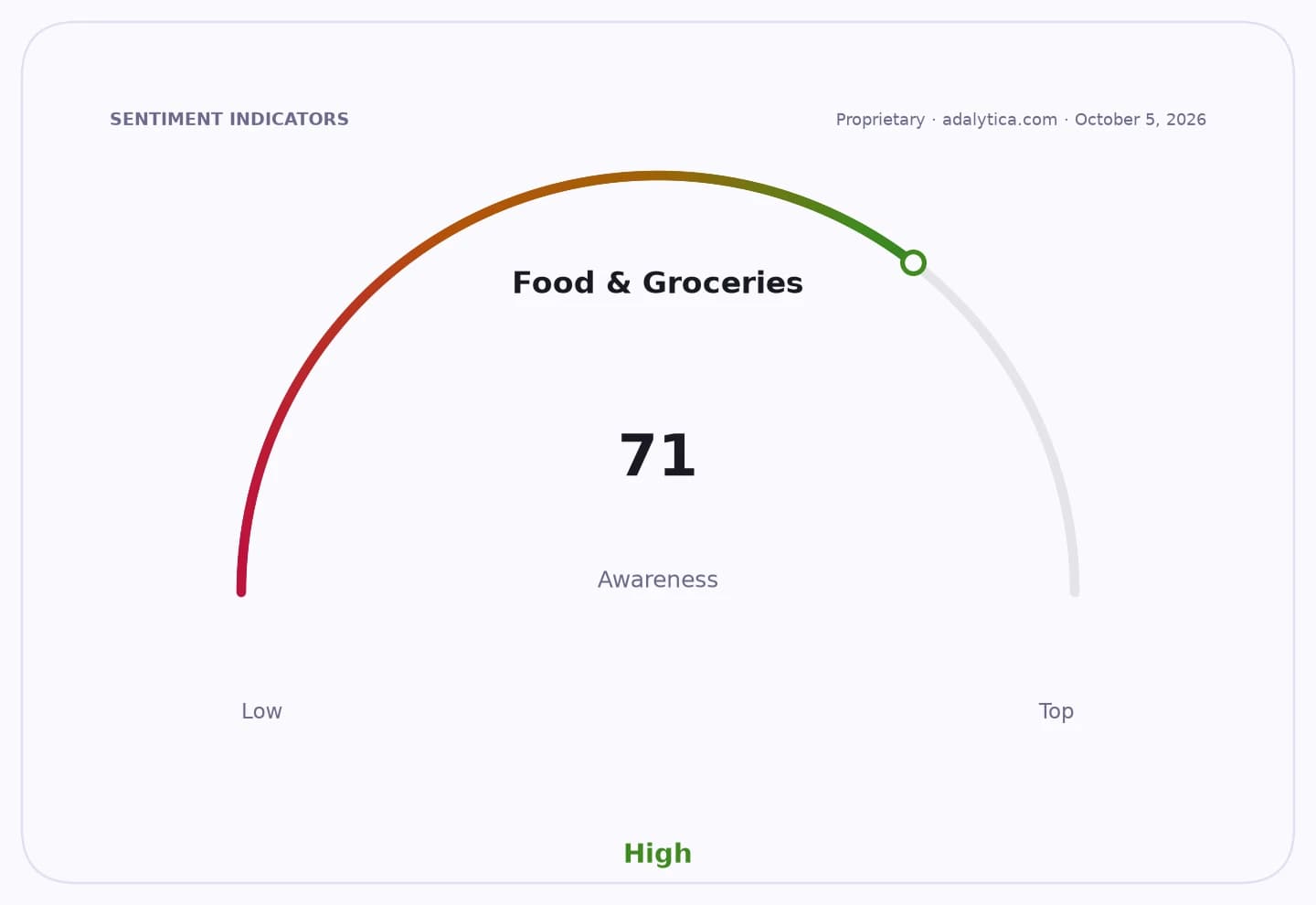
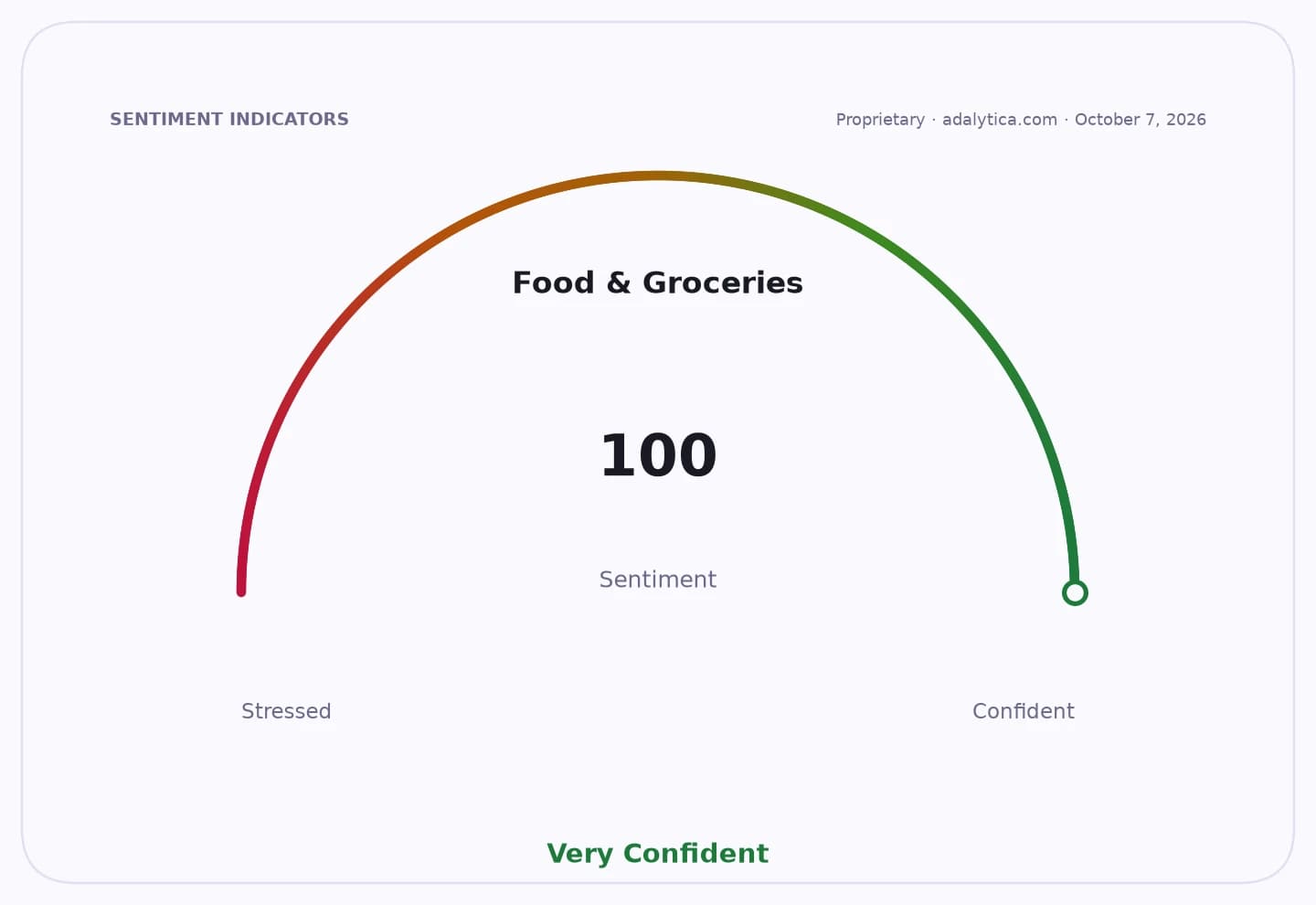
Sentiment IndicatorsⓘProprietary · adalytica.com · October 12, 2026
This is a snapshot — live sentiment, awareness and momentum for 130+ markets update continuously in the dashboard.Open AlphaPulse
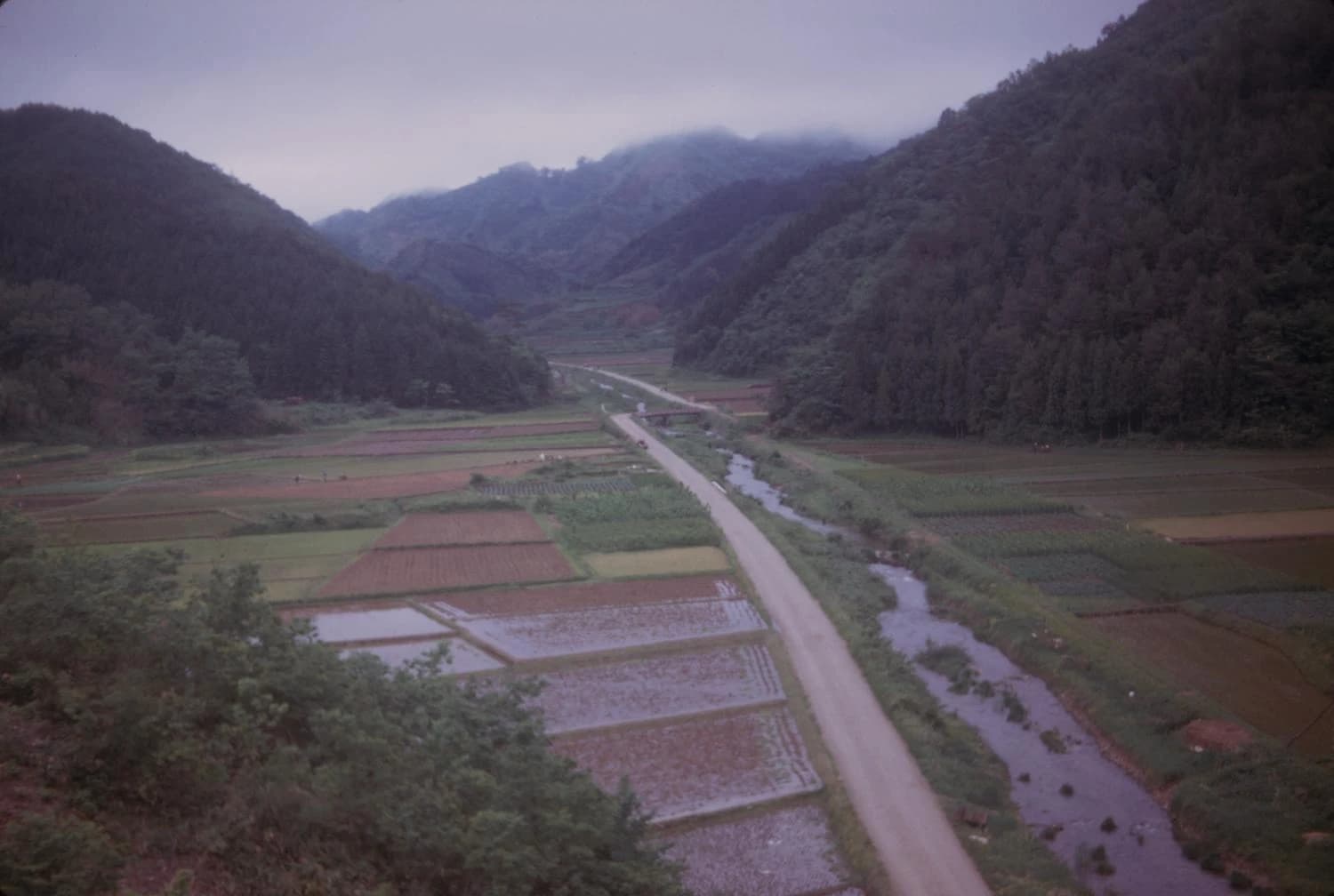
In the Mekong Delta, including An Giang, Can Tho, Dong Thap, Tay Ninh, Vinh Long and Ca Mau, buying activity was described as slow and prices were mostly stable. The only notable move was DS1 paddy, which fell 100 dong a kilogram to 6,400-6,500 dong. Other fresh paddy varieties such as OM 18 and Dai Thom 8 held around 6,200-6,300 dong, while IR 50404 and OM 5451 also stayed near recent levels.
Export-grade raw rice was just as quiet. CL 555, IR 504, OM 5451 and OM 18 were all broadly unchanged, reinforcing the view that mills and traders are not chasing inventory at current demand levels. That matters economically because rice prices have a direct feed-through to food inflation, and flat quotes suggest the market is absorbing new crop supply without needing a major repricing.
The export side tells the same story. Vietnam’s 100% broken fragrant rice was quoted at $371-$375 a ton, Jasmine at $515-$519 and 5% broken fragrant rice at $440-$445, unchanged from the prior session. Thai, Pakistani and Indian benchmarks also showed little urgency, pointing to a region-wide market that is competitive but not overheated.
For investors, the key takeaway is that the near-term setup favors stability over surprise. That reduces upside for price-hunters in rice-linked plays, but it also lowers the risk of a sudden squeeze in consumer staples and food importers. The more interesting trade is on the second-order effects: if Thu Dong procurement stays subdued, mills and exporters may keep margins tight, while any pickup in import demand or weather disruption could quickly change the tone.
Right now, the market is sending a simple message: rice is plentiful enough to keep prices anchored, but not so loose that exporters can push them meaningfully lower. That makes the next catalyst crucial — either stronger foreign buying or a faster-than-expected harvest flow. Until then, Vietnam’s rice market looks like a patience trade, not a breakout.
| Entity | Gains | Losses |
|---|---|---|
| Vietnamese consumers | ▲Stable staple prices | ▼Little near-term bargain relief |
| Rice exporters | ▲Price visibility | ▼Margin expansion |
| Rice farmers | ▲No sharp price collapse | ▼Stronger farmgate gains |
| Importers | ▲Predictable sourcing costs | ▼Cheap inventory windfall |