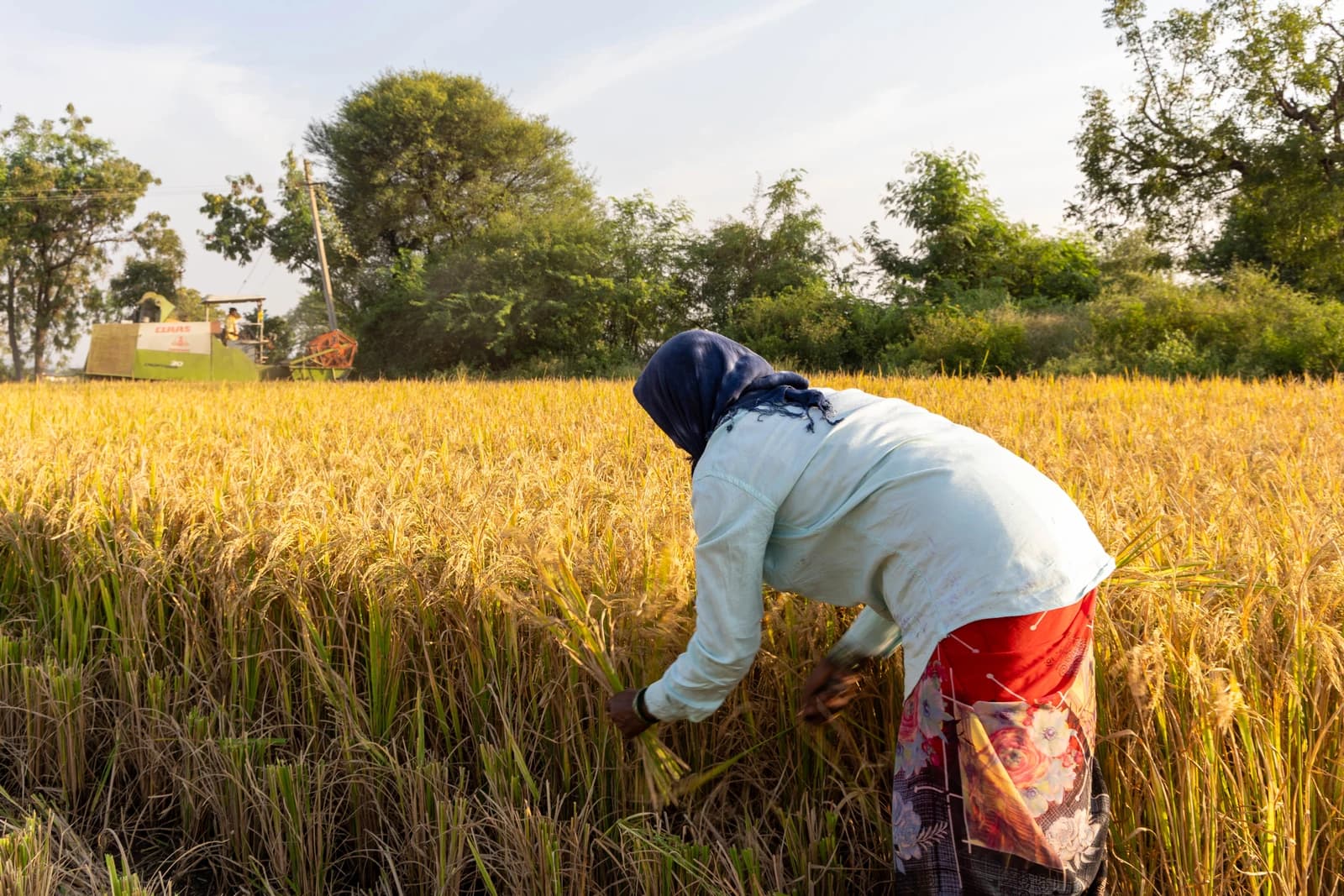
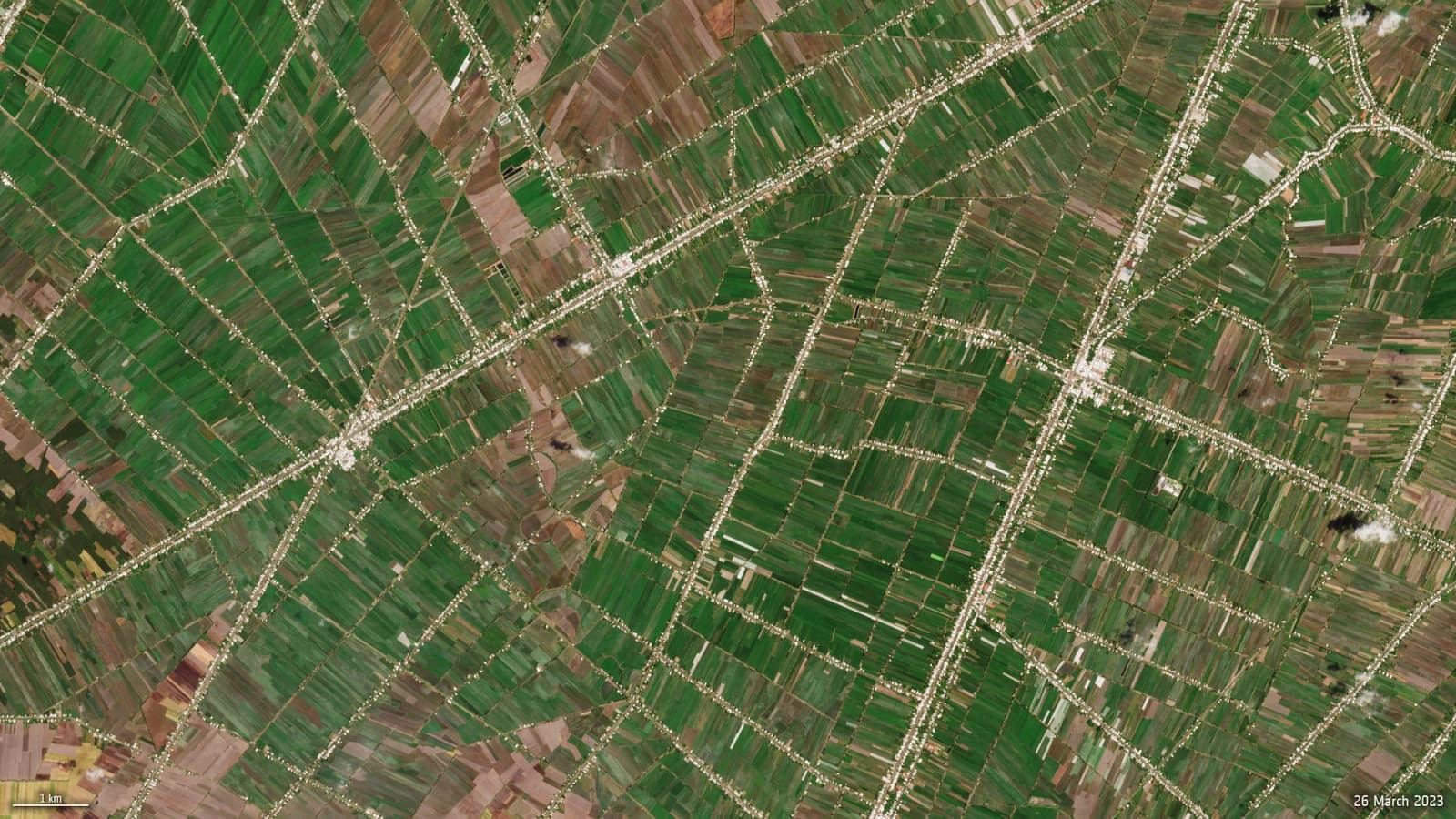
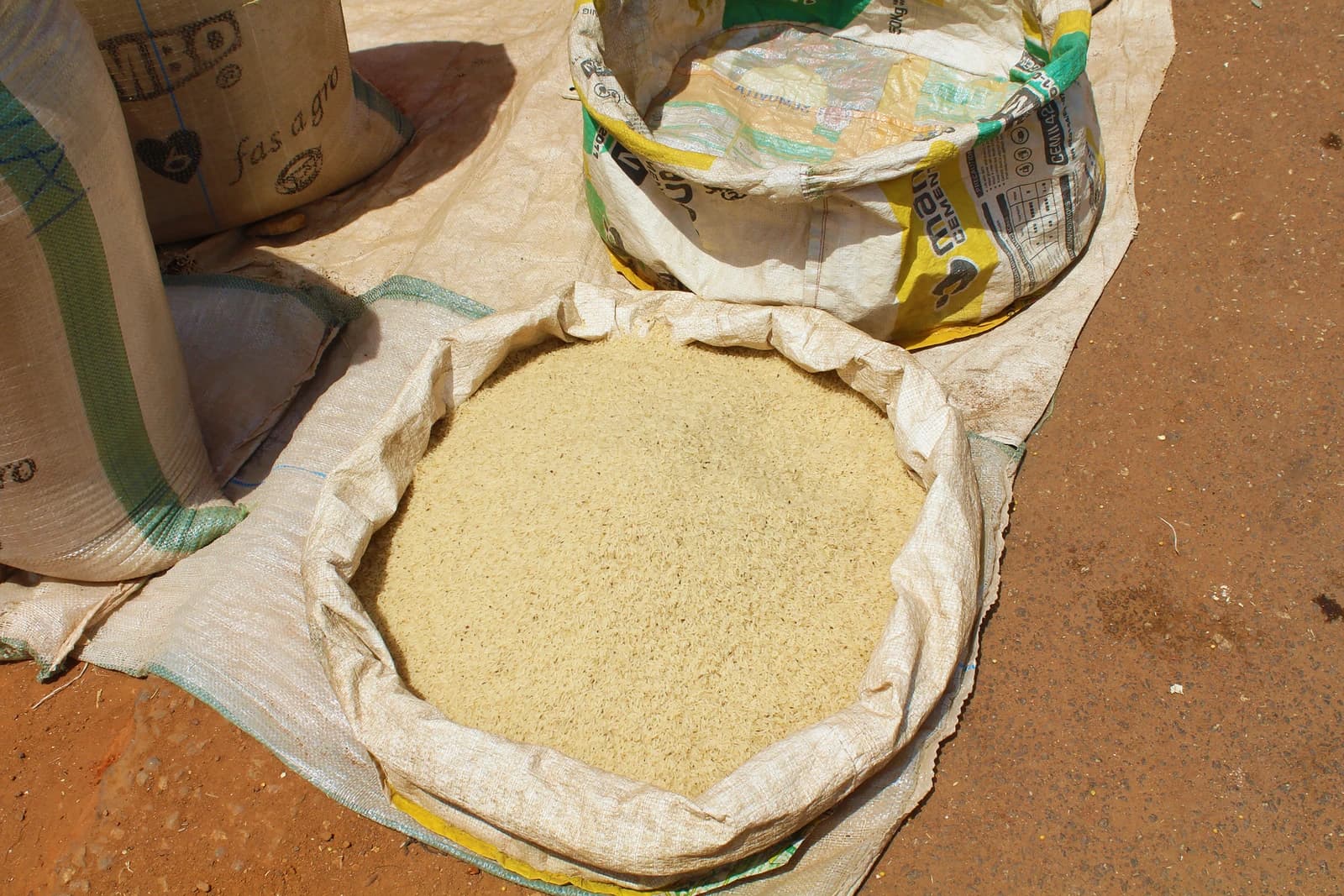
Egypt’s rice market is being kept stable by domestic supply, with a senior agricultural research official saying the country is self-sufficient and prices remain affordable even though about 30% of the crop has yet to be harvested. That matters because rice is one of the country’s most politically sensitive staple foods, and any sign of scarcity can quickly feed into broader food inflation and household stress.
Egypt Rice Prices Stay Stable as Harvest Continues

Basiouny Abdel-Razek, head of the rice research department at the Agricultural Research Center, said rice is a freely traded commodity governed by supply and demand, and that some farmers still have not brought their crop to market. He framed the current situation as normal commercial storage rather than hoarding, arguing that withholding part of the crop helps keep supplies flowing through the year.
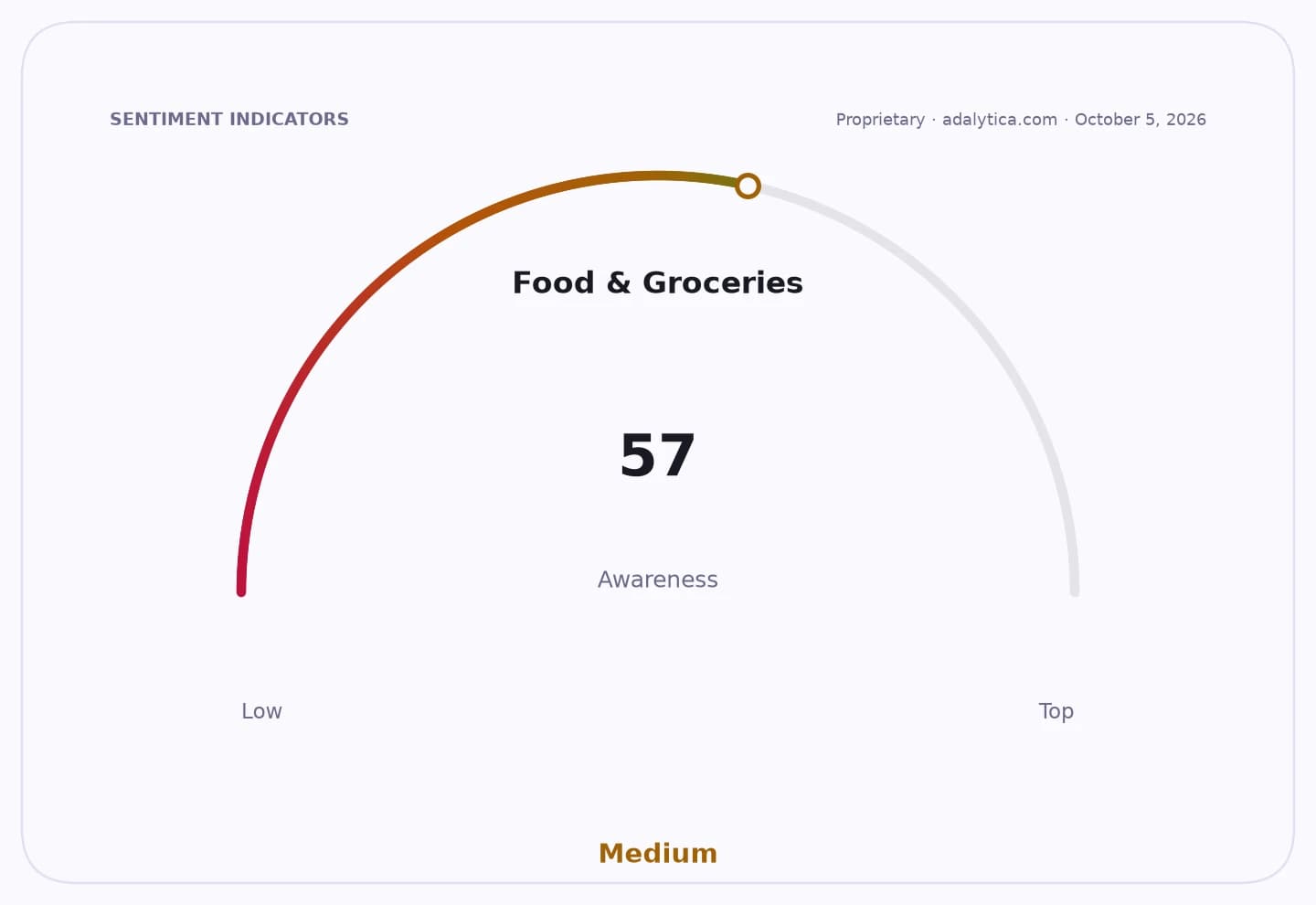
Sentiment IndicatorsⓘProprietary · adalytica.com · October 14, 2026
This is a snapshot — live sentiment, awareness and momentum for 130+ markets update continuously in the dashboard.Open AlphaPulse
The message is significant for Egypt’s inflation outlook. Food costs remain a central pressure point for consumers, even as broader CPI readings have continued to rise. The latest inflation data show consumer prices at 334.131 in August, up from 333.979 in May, while food and beverage prices have remained a key driver of household spending strain. A stable rice market helps restrain a staple that carries outsized weight in the daily budget of lower- and middle-income families.
It also matters for policymakers. Abdel-Razek said authorities are stepping up oversight through the Consumer Protection Agency and the supply ministry to ensure availability and prevent monopolistic behavior. That suggests officials are trying to balance producer incentives with consumer protection, a familiar tension in staple markets where price caps or heavy-handed controls can discourage supply while laissez-faire pricing can anger households.
For investors and traders, the implications are narrower but still relevant. A well-supplied domestic rice market reduces the risk of abrupt food inflation spikes that can affect the currency, real yields and consumer spending. It also points to less immediate need for emergency imports, though weather, harvest timing and distribution remain key variables. The market backdrop in global grains has been choppy, with rice, wheat and corn prices all sensitive to weather disruptions and policy shifts elsewhere, but Egypt’s officials are signaling that local supply remains adequate.
The central question now is whether that stability holds as the remaining crop is brought in and sold. If harvest flow normalizes and distribution stays orderly, rice should remain contained as a source of inflation pressure. If storage, procurement or weather disruptions start to bite, the same commodity that is now being described as affordable could quickly become a fresh test for policymakers.
| Entity | Gains | Losses |
|---|---|---|
| Egyptian consumers | ▲Stable rice prices | ▼Less urgency for bargains |
| Farmers | ▲Better timing for sales | ▼Pressure to release stocks |
| Government regulators | ▲Lower food inflation risk | ▼Need for tighter oversight |
| Rice processors/traders | ▲Orderly market flow | ▼Less scope for pricing power |