Pakistan’s arrival of its first liquefied natural gas cargo for October underlines how tight the country’s winter energy balance is becoming, with demand expected to surge far beyond current supply and industrial users at risk of gas curtailments.
Pakistan LNG cargo highlights winter gas strain
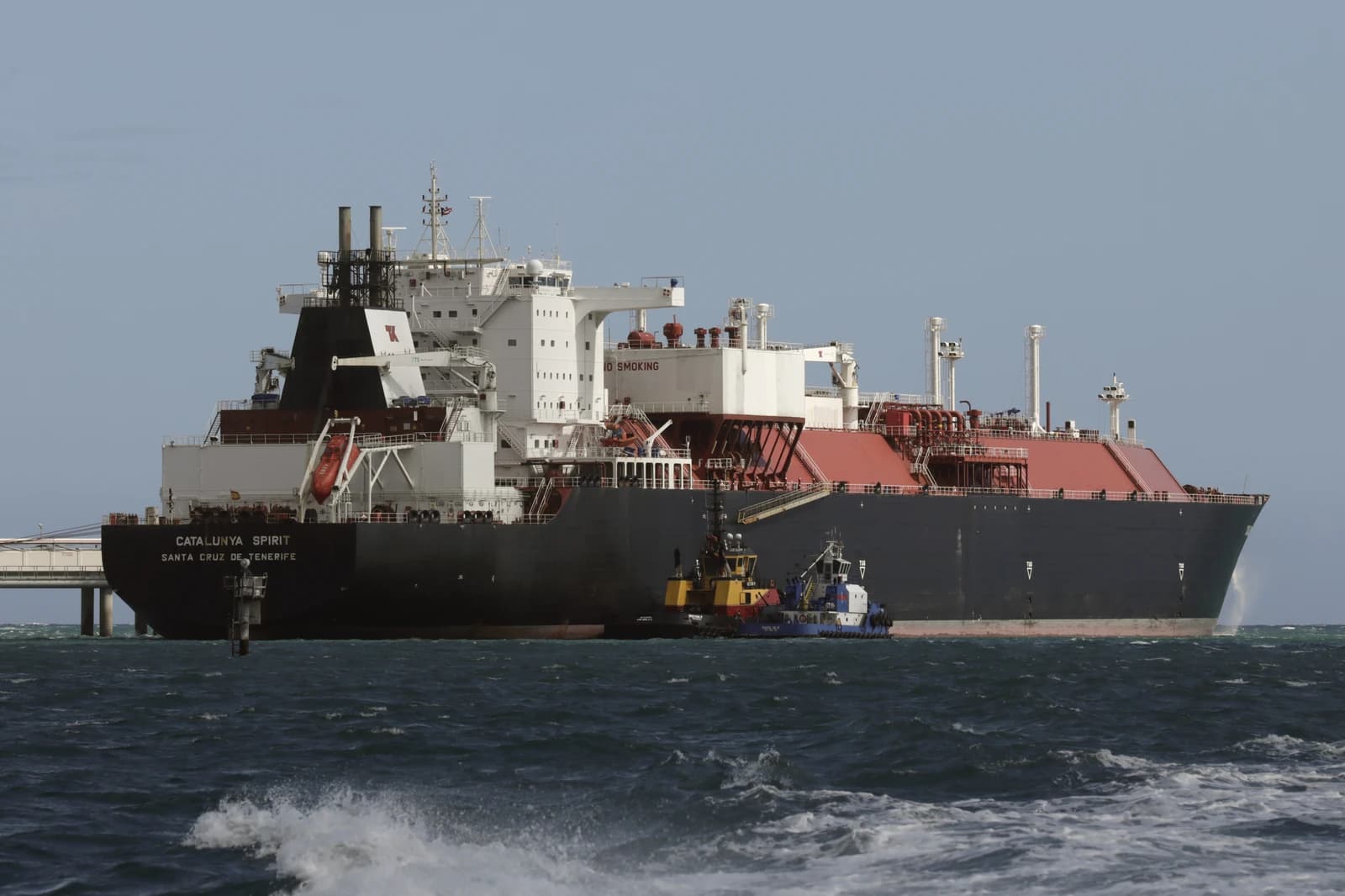
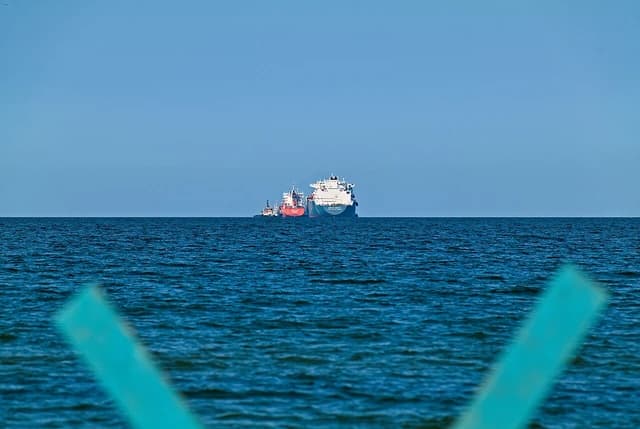
The shipment from Qatar, delivered to Engro’s LNG terminal on Tuesday, was quickly put into regasification, but the more important message is what it says about Pakistan’s vulnerability heading into the heating season. Officials say the country will need 24 LNG cargoes to cover winter 2026-27 requirements, while gas demand at state-owned Sui Northern Gas Pipelines is expected to jump to 1.55 billion cubic feet a day from 550 million cubic feet, and Sui Southern Gas Company’s demand may rise to 500 million cubic feet from 300 million cubic feet.
Sentiment IndicatorsⓘProprietary · adalytica.com · October 14, 2026
This is a snapshot — live sentiment, awareness and momentum for 130+ markets update continuously in the dashboard.Open AlphaPulse
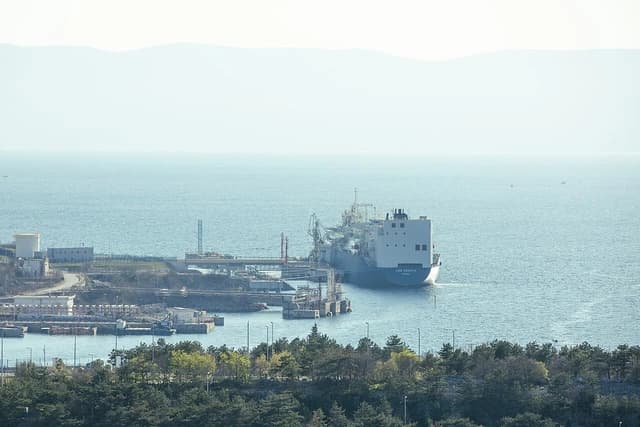
That gap matters because Pakistan’s domestic gas system is already stretched, and LNG imports are increasingly serving as the swing source that prevents the power, industrial and household sectors from running into deeper shortages. If supply fails to keep pace, export industries, non-export manufacturers, compressed natural gas stations and cement producers are among the sectors most likely to face curbs, with direct implications for factory utilization, export earnings and inflation.
The timing also highlights the economics of LNG procurement. Global LNG pricing has eased from last year’s peaks, making spot and term cargoes somewhat more manageable for importers, but the lower price environment has not solved Pakistan’s structural issue: it still needs hard currency to buy cargoes and enough shipping and terminal capacity to bring them in on time. For a country battling external financing pressure, energy imports remain a drain on reserves and a recurring source of macro stress.
For investors, the story cuts two ways. LNG suppliers and global gas exporters benefit from Pakistan’s continued dependence on imports, while domestic industrial firms exposed to fuel shortages face margin pressure and output risk if winter allocations are tightened. In local markets, any sign that the government must divert more foreign exchange toward fuel imports can also weigh on the rupee and reinforce inflation concerns.
The broader narrative is that Pakistan is buying time, not fixing the problem. Unless domestic gas production recovers or long-term supply arrangements expand meaningfully, each winter will bring the same trade-off: more LNG imports, more pressure on the balance of payments and more risk that parts of the economy will be rationed to keep homes warm.
| Entity | Gains | Losses |
|---|---|---|
| Qatar LNG suppliers | ▲Higher cargo sales | ▼— |
| Pakistani households | ▲Short-term winter supply support | ▼Higher import burden |
| Export and industrial users | ▲— | ▼Potential gas curbs |
| Rupee / external accounts | ▲— | ▼More FX pressure |