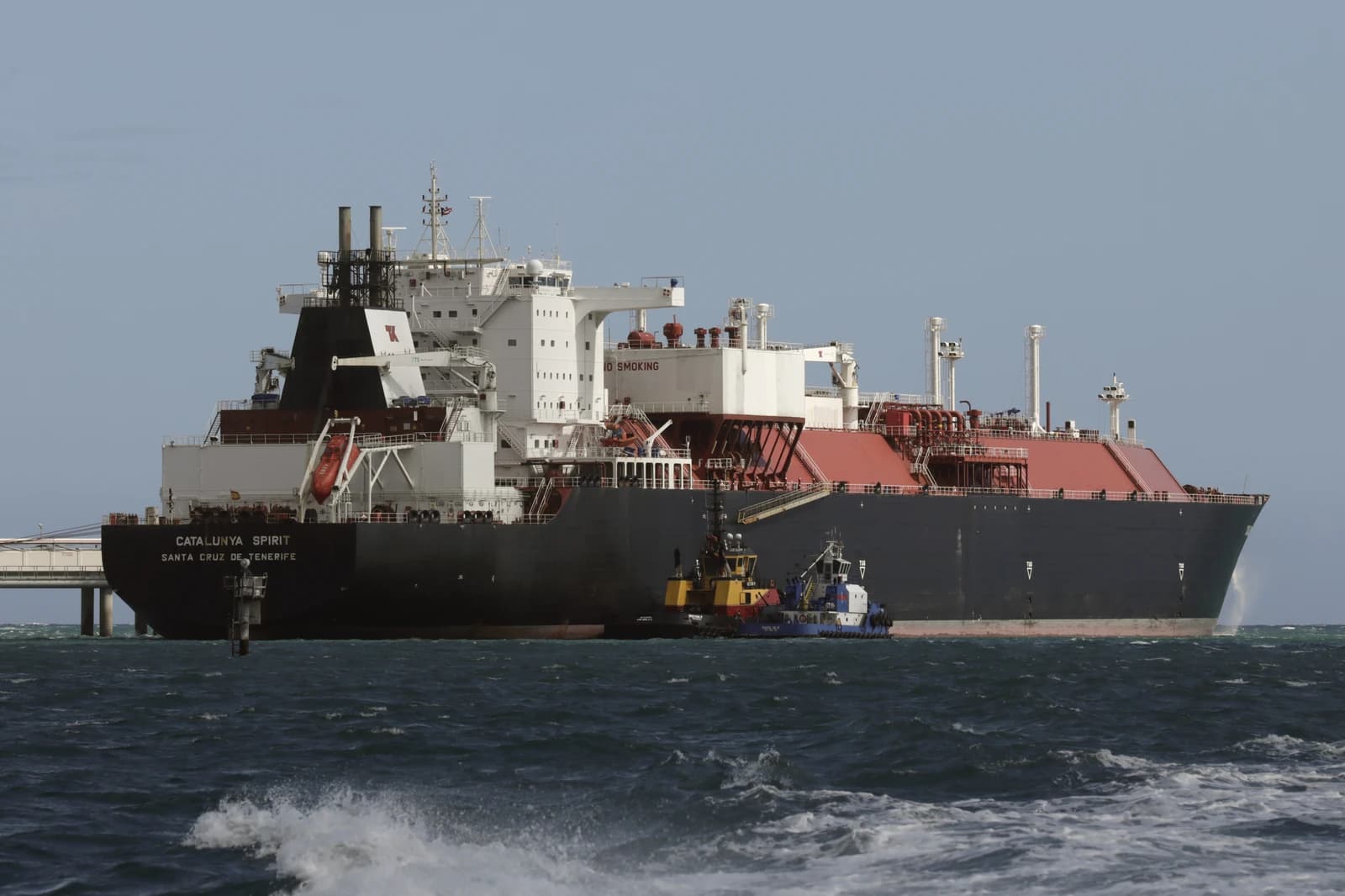
Bangladesh’s decision to decline a Tk13,000 crore floating LNG terminal proposal is a setback for the country’s effort to plug a widening gas deficit, and it raises the risk that power generation, industrial output and LNG import plans will stay constrained longer than expected.
Bangladesh Rejects Tk13,000 Crore LNG Terminal Plan

The cabinet purchase committee’s refusal to approve the Kutubjom FSRU under a government-to-government deal with China National Energy Engineering and Construction Company means a project designed to add about 600 million cubic feet per day of regasified LNG by 2028 is now on ice. For an economy already straining under declining domestic gas output and problems at existing terminals, that matters because gas is the fuel that keeps factories running, electricity supply steadier and fertilizer plants operating. Delays in new import capacity can translate directly into slower growth, higher fuel costs and greater pressure on the current account.
Sentiment IndicatorsⓘProprietary · adalytica.com · October 16, 2026
This is a snapshot — live sentiment, awareness and momentum for 130+ markets update continuously in the dashboard.Open AlphaPulse
The proposed terminal was budgeted at Tk12,324 crore over 15 years, or Tk13,161 crore over 20 years, according to official documents. That scale makes the project more than an infrastructure line item: it is a test of how quickly Bangladesh can secure long-duration energy capacity at a time when it needs it most. The Energy Division has not said whether it will resubmit the plan, retender it or revisit the G2G framework, leaving investors and suppliers without a clear timeline.
The immediate market implication is that Bangladesh may have to rely longer on imported LNG through its existing infrastructure, even as global gas markets remain volatile and financing costs stay elevated. With the 10-year U.S. Treasury near 5.17% in the latest snapshot and oil prices around $102.5 a barrel in the forecast data, the backdrop is not friendly to capital-intensive energy projects or to LNG-dependent importers. Higher global energy costs also tend to worsen the economics of waiting, because delays can force Bangladesh to buy fuel on less favorable terms or curb demand in industry.
For investors, the story is not just about one cancelled proposal. It is about the persistence of a bottleneck that can cap Bangladesh’s power-sector reliability and slow the country’s industrial expansion. That creates a second-order opportunity set in efficient power generation, grid resilience, gas distribution and LNG logistics, while keeping pressure on sectors that depend on uninterrupted fuel supply. In broader emerging-market terms, Bangladesh is showing how energy-security gaps can become growth constraints when domestic production falls faster than infrastructure can be replaced.
The key question now is whether Dhaka moves quickly to reopen the process or lets the delay drag into 2028 and beyond. If the government wants to protect growth, it will need a faster path to incremental LNG capacity, and that means the next policy decision could matter as much as the one it just rejected. I believe investors should watch the downstream beneficiaries of Bangladesh’s energy gap, not just the headline setback: the market often underprices the compounding cost of inaction.
| Entity | Gains | Losses |
|---|---|---|
| Existing LNG suppliers | ▲Longer reliance on current imports | ▼Less new capacity demand |
| Domestic gas-using industries | ▲None | ▼Higher fuel risk, output pressure |
| China National Energy Engineering and Construction Company | ▲Possible retender leverage | ▼Lost near-term project approval |
| Bangladesh power sector | ▲More time to reassess procurement | ▼Slower relief for gas shortage |